Jakarta – The Indonesian government plans to start construction of five waste-to-energy power plants, with groundbreaking targeted for June 2026, Presidential Chief of Staff Muhammad Qodari said.
Speaking at a press conference in Jakarta on Wednesday, he said the government is preparing such projects in 30 agglomeration areas across 61 districts and cities nationwide.
The five PSEL projects — Bekasi City, Yogyakarta City, Bogor Raya, Denpasar Raya, and Bandung Raya — are targeted for groundbreaking in June.
The first four fall under Presidential Regulation No. 109/2025, while Bandung Raya is part of Presidential Regulation No. 35/2018 implemented in cooperation with Japan.
The projects are part of efforts to accelerate urban waste management through environmentally friendly waste-to-energy technology.
For phase II, the tender process led by sovereign wealth fund Danantara will begin in the second half of this year for 12 locations.
Each site is expected to process more than 1,000 tons of waste per day, with total capacity projected to reach 33,000 tons daily.
He said the projects are expected to support technology transfer and reduce reliance on fossil fuels, while also improving public health by lowering the risk of environment-related diseases, especially near landfill areas.
On Tuesday, Coordinating Minister for Food Affairs Zulkifli Hasan said the projects must be completed within seven weeks to accelerate waste management efforts.
“Since this is a direct order from the President, if it is not completed within seven weeks, the central government will take over. That is the order,” he said.
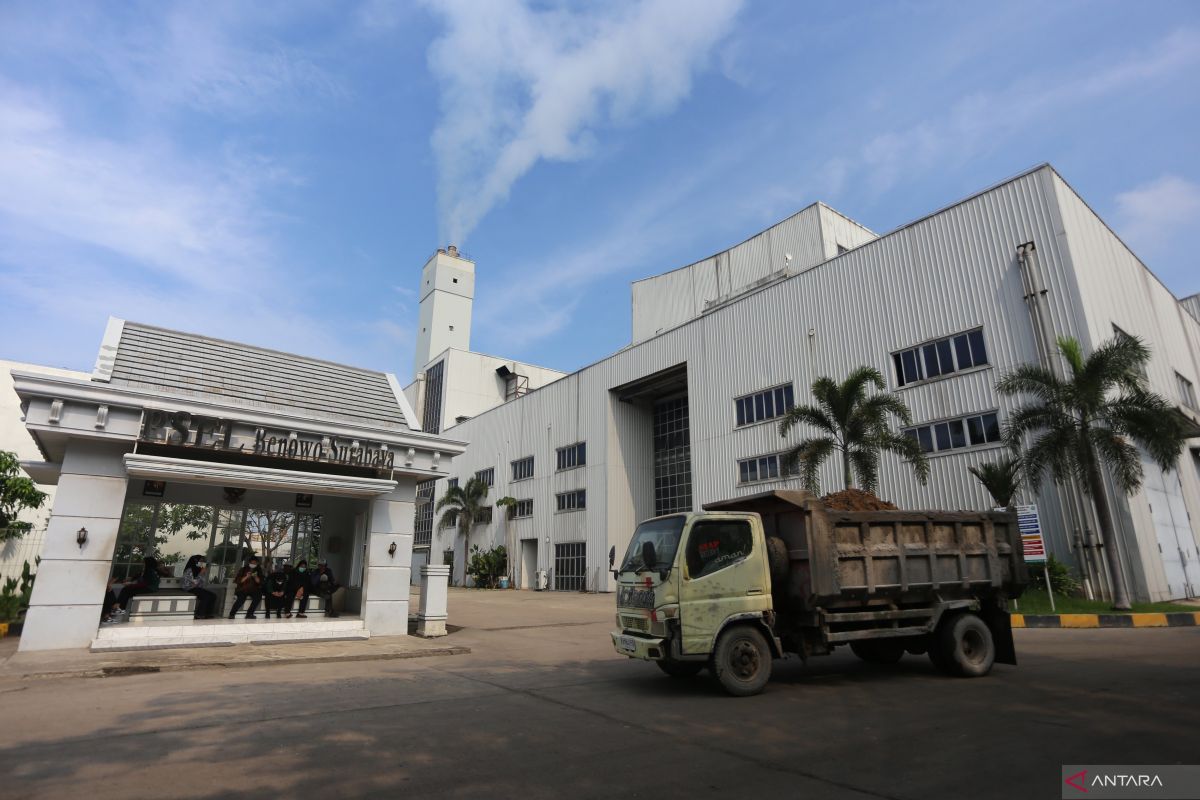
PSEL Benowo
PSEL Benowo is a waste-to-energy power plant located in Surabaya, Indonesia, which began operations in 2021 to address the city’s growing waste problem. It processes up to 1,000 tons of municipal solid waste daily, converting it into electricity for the local grid. The facility represents a significant step in Indonesia’s efforts to modernize waste management and reduce reliance on landfills.
Surabaya
Surabaya is Indonesia’s second-largest city and the capital of East Java, known for its key role in the nation’s independence struggle. Its name derives from the Javanese words for “shark” and “crocodile,” referencing a legendary battle between the two creatures, and the city’s most famous landmark, the Heroes Monument, commemorates the fierce Battle of Surabaya in 1945 against British forces. Today, it is a major commercial and industrial hub, blending modern skyscrapers with colonial-era architecture.
East Java
East Java is a province in Indonesia known for its rich history and cultural heritage, including the powerful Majapahit Empire that flourished from the 13th to 16th centuries. Key sites like the Trowulan archaeological area and Mount Bromo highlight its blend of ancient Hindu-Buddhist influences and natural beauty. Today, East Java remains a vibrant region with a mix of traditional Javanese culture and modern development.
Bekasi City
Bekasi City is a major satellite city located on the eastern outskirts of Jakarta, Indonesia, and is part of the Greater Jakarta metropolitan area. Historically, the area was known as
PSEL Benowo
PSEL Benowo is a waste-to-energy power plant located in Surabaya, Indonesia, that began operations in 2021. It was developed to address the city’s growing waste problem by converting municipal solid waste into electricity, capable of processing up to 1,000 tons of waste per day. The facility represents a significant step in Indonesia’s efforts to adopt sustainable waste management and renewable energy technologies.
Surabaya
Surabaya is Indonesia’s second-largest city and the capital of East Java, known for its pivotal role in the nation’s struggle for independence. Its name is famously tied to the heroic Battle of Surabaya in November 1945, a fierce clash between Indonesian independence fighters and British forces that galvanized the country’s resistance. Today, the city is a bustling port and industrial hub, home to landmarks like the Heroes Monument, which commemorates the sacrifices made during that historic battle.
East Java
East Java is a province in Indonesia known for its rich cultural heritage and historical significance, including the Majapahit Empire, one of the last major Hindu-Buddhist kingdoms in the region. Key sites include the Trowulan archaeological area, which was the empire’s capital, and Mount Bromo, a famous active volcano. The region also features diverse traditions, such as the Reog Ponorogo dance and intricate batik textiles.
Bekasi City
Bekasi City, located in West Java, Indonesia, is a rapidly growing satellite city of Jakarta with a history dating back to the 5th century as part of the Tarumanagara kingdom. It was historically known as “Dayeuh Sundasembawa” and later became a key site during the Dutch colonial era, serving as a center for rubber and palm oil plantations. Today, Bekasi is a major industrial and residential hub, known for its economic significance despite facing challenges of urbanization.
Yogyakarta City
Yogyakarta is a cultural hub on the Indonesian island of Java, historically serving as the capital of the Sultanate of Yogyakarta and a key center of Javanese art and tradition. The city played a significant role in Indonesia’s struggle for independence, briefly serving as the nation’s capital from 1946 to 1948. Today, it is renowned for its nearby ancient temples, such as Borobudur and Prambanan, and its vibrant batik and performing arts scenes.
Bogor Raya
Bogor Raya is a region in West Java, Indonesia, centered around the city of Bogor, which was historically known as Buitenzorg during the Dutch colonial era. It is famous for the Bogor Botanical Gardens, established in 1817, and the Bogor Palace, a former colonial governor’s residence. Today, it is a popular destination for its cool climate, lush landscapes, and rich cultural heritage.
Denpasar Raya
Denpasar Raya refers to the greater metropolitan area of Denpasar, the capital city of Bali, Indonesia. Historically, Denpasar emerged as a key administrative and trade center, particularly after the Dutch colonial era, and it became the capital in 1958 following the dissolution of the Badung kingdom. Today, the area is known for its vibrant cultural scene, including the famous Bajra Sandhi Monument and the bustling Kuta and Sanur beach districts.
Bandung Raya
Bandung Raya, or Greater Bandung, is a metropolitan area in West Java, Indonesia, centered around the city of Bandung. Historically, it developed during the Dutch colonial era as a planned hill station and administrative center, earning the nickname “Paris of Java” for its Art Deco architecture and cool climate. Today, it remains a major cultural, educational, and industrial hub, known for its vibrant creative scene and historical landmarks like Gedung Sate.