New York, April 23, 2026 — The UN Secretary-General’s Special Representative for Libya warned that Libya is at a political, economic, and security crossroads due to continued institutional division and insufficient progress toward holding national elections. She stressed that the continuation of the current situation threatens the country’s unity and undermines opportunities for stability.
In her briefing to the Security Council on Wednesday, she explained that the implementation of the political roadmap remains stalled because some Libyan parties ignore the people’s aspirations for political participation and democratic legitimacy, alongside the creation of parallel structures outside agreed frameworks, which limits the effectiveness of efforts to unify institutions.
She noted that continuing with current mechanisms legitimizes the existing division rather than pushing toward a political settlement, warning of national and regional risks if the implementation of the roadmap continues to falter.
Regarding the political track, she reported that structured dialogue continues through four tracks covering security, governance, economy, reconciliation, and human rights, ahead of presenting final recommendations by June. These aim to create conditions for elections and strengthen state institutions.
She affirmed that the mission continues to communicate with political parties, including the House of Representatives and the High Council of State, along with working with a small group of actors to overcome the deadlock, while hinting at a new briefing to the Security Council with alternative proposals if no progress is made.
On the economic front, she emphasized that the situation is severely deteriorating, marked by currency pressures, rising prices, fuel shortages, and widening poverty. She considered the current economic model unsustainable and fueling instability.
She added that reports from the expert panel revealed the depletion of national resources within a distorted political economy, relying on unaccountable spending and using oil revenues as a tool of influence, which weakens the state’s ability to manage its resources and fulfill its commitments.
She welcomed the signing of the annex to the 2026 Unified Development Program as a step toward enhancing fiscal discipline, stressing that its success depends on actual implementation and strengthening transparency and oversight of public spending.
She also called for urgent reforms in the fuel sector, including improving transparency, monitoring revenues, and adopting updated legislation to combat money laundering and terrorist financing, emphasizing that restoring the integrity of public finances requires genuine political will and supportive international cooperation.
On the security side, she pointed to continued fragility despite no violations of the ceasefire agreement being recorded, with sporadic clashes in several areas, especially in the west, and ongoing arms flows, reflecting shortcomings in security arrangements and the risk of renewed conflict.
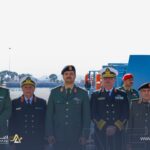
She highlighted a positive step: the launch of joint military exercises in Sirte between forces from the east and west of the country, considering this a precursor to unifying security institutions and building trust.
On the judicial file, she warned of continued division and the existence of parallel judicial bodies, which perpetuates legal ambiguity and threatens the integrity of any electoral process, noting that political interventions hinder reaching a solution.
Regarding human rights, she expressed concern over ongoing arbitrary arrests and violations against activists and opponents, along with attacks on freedom of belief, while welcoming limited steps including the release of detainees and allowing visits to detention centers.
She also addressed the repercussions of the conflict in Sudan, which has led to an influx of refugees and increased humanitarian needs in Libya, calling on the international community to support the response plan targeting hundreds of thousands of refugees and host communities.
She called on the Security Council to use its influence to ensure Libyan leaders commit to unifying institutions and moving toward elections, warning that continued obstruction will undermine the country’s unity and delay stability and development.