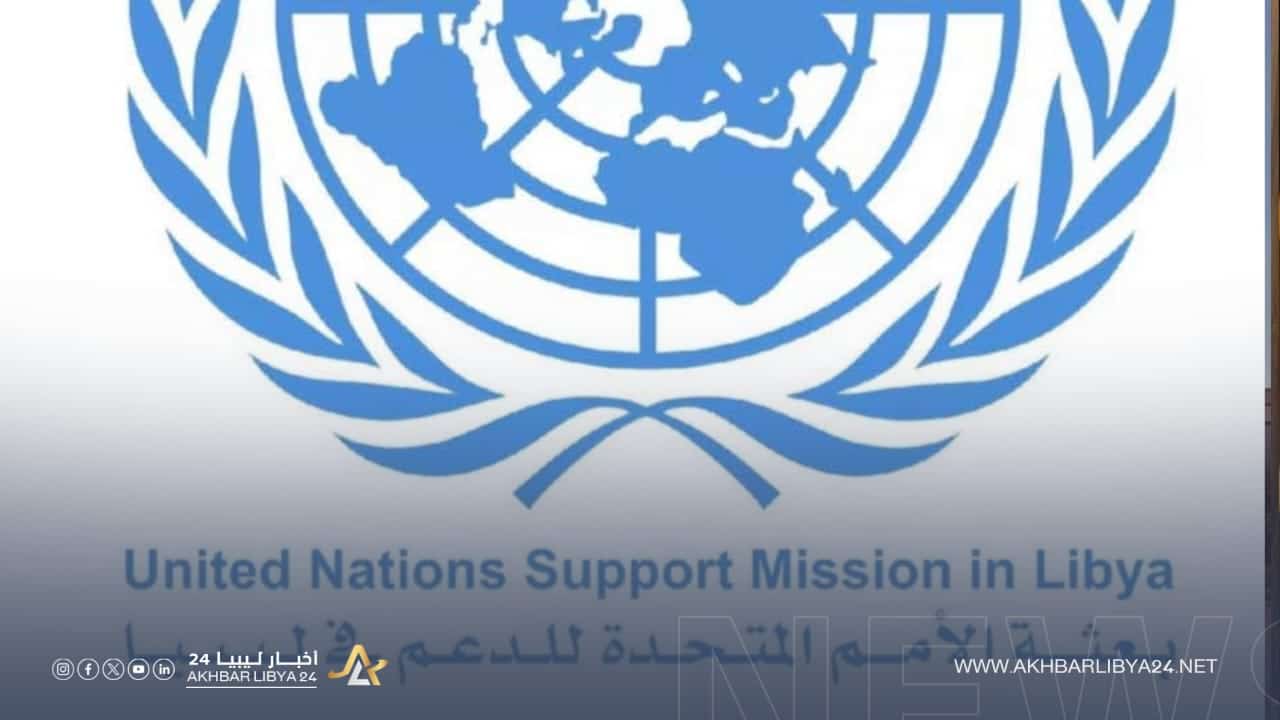
It expressed concern over what it described as the unauthorized use of its emblems in the context of political initiatives circulating on social media, stressing that such use could create a misleading impression among the public regarding the nature of its role and positions.
The mission clarified, in a statement on its official page, that the use of United Nations logos in these initiatives inaccurately suggests an official association or direct support from it for those activities, which it categorically denied. It emphasized the necessity of adhering to the legal and media regulations governing the use of international symbols and logos.
-
The UN Mission denies any connection to these initiatives circulating on social media
The United Nations confirmed that the political roadmap presented to the Security Council on August 21 remains the general framework for its political engagement in Libya. It is the primary reference point for its efforts in supporting the political process, separate from any unofficial initiatives promoted outside this context.
-
The UN Mission: The political roadmap presented to the Security Council remains the general framework for its political engagement in Libya
In this regard, the mission called on all social media users to verify the accuracy of information before sharing it and to rely on official sources to avoid spreading misleading news. It also warned that sharing inaccurate content could confuse the general landscape, weaken citizens’ trust in institutions, and potentially escalate political tensions.
-
The United Nations emphasizes the importance of responsible information sharing
The United Nations stressed the importance of exercising responsibility in sharing information, especially given the sensitive circumstances Libya is experiencing, affirming its continued work within its mandate to support stability and promote dialogue among Libyan parties.
This warning comes at a time when the digital space is witnessing increased activity of unreliable political initiatives and content, necessitating greater awareness and verification to avoid being drawn into inaccurate information that could affect the course of the political process.