Answers to your questions on Denmark’s capital, passport dates, criminal records, and Vietnamese currency
Q: Any tips for what to do in Copenhagen in mid-September?
A: A short stay in the Danish capital should prove a joy from beginning to end (so long as you don’t think for too long about some of the prices in the city). Access from the airport to the centre is swift and easy: the driverless Metro takes you to the heart of the city.
Once you are in the centre, Copenhagen is eminently walkable; a capital on a human scale. The tourism hub is the colourful dock of Nyhavn, which is a convenient place from which to board a harbour boat trip: a good option to get your bearings on this maritime city.
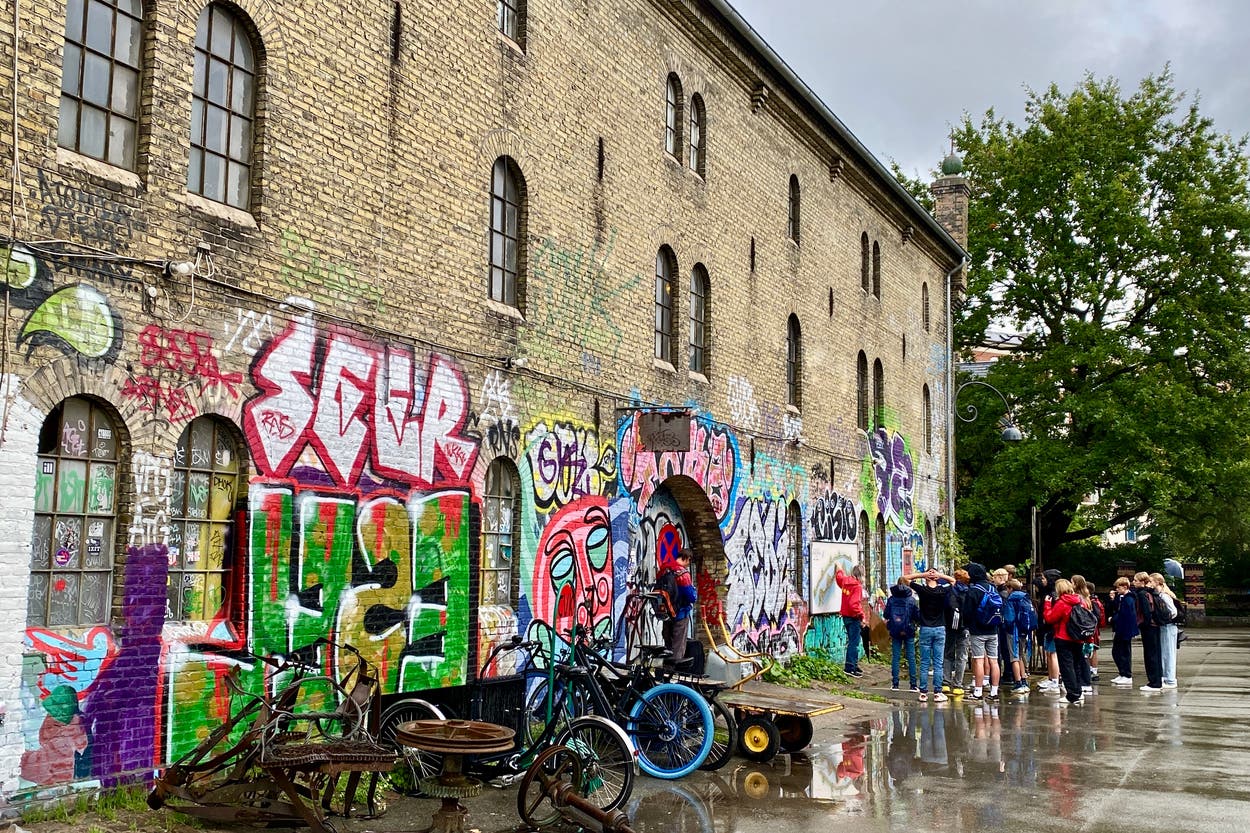
Devote a morning or afternoon to the considerable collection of the National Gallery of Denmark. You should also spend time in the hippie enclave of Freetown Christiania, a former military base taken over in the 1970s. A guided walk with someone who knows the area well will be rewarding.
If you have a day to spare, a side trip to Copenhagen’s non-identical twin, Malmö in Sweden, will be worthwhile. It boasts industrial good looks complemented by the shimmering Baltic and the gentle countryside of Sweden’s deep south.
You can reach it in about 20 minutes by train, which travels over the Öresund Bridge. In Malmo, take a look at the Master Johan Hotel, with an elegant inner courtyard, and wander to the Ribersborgs open-air baths, poking out into the Baltic.
Finally, I recommend you end your visit at the pretty fishing port of Amager – actually on an island, accessible by the Metro, and close to the airport. Enjoy a final drink and/or stroll before you journey home.
Many travellers have been wrongly turned away by airport staff since Brexit
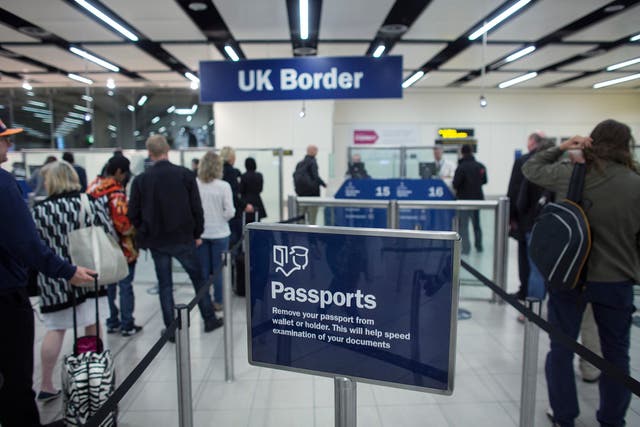
Q: You reported on a passenger with a valid passport who was turned away at the airport – yet another awful story of a holiday ruined by inadequately trained staff misinterpreting passport validity rules. But a thought occurred to me. When we check in online, the airlines ask for passport details in advance. Could they modify their systems to include the issue date? Then the checks could be completed before you even travel to the airport.
A: Since the post-Brexit border arrangements took effect, the passports of UK travellers have had to meet two conditions for journeys to the EU. On the day of entry to the EU, the document cannot be over 10 years old; and on the intended day of departure, at least three months must remain. These two conditions are independent of each other. That is relevant because many British passports issued up to September 2018 allowed a maximum of 10 years and nine months’ validity.
With a passport issued on 8 September 2015, which is valid until 8 June 2026, you could travel out to the EU up to and including 7 September 2025 for a stay of up to 90 days. Regrettably, some airport ground staff have repeatedly insisted that UK passports cannot be used for travel to the EU once they are nine years and nine months old.
It would help if airlines predominantly focused on flying British passengers to the EU could add an online field to the advance passenger information procedure to identify non-compliant documents ahead of travelling to the airport. Airlines that fly a vast range of travellers to dozens of destinations – many of them outside Europe – are a separate case, as rules differ.
Airlines say that it is down to the passenger to identify and comply with passport rules. In return, airlines need to ensure they always get the rules right.
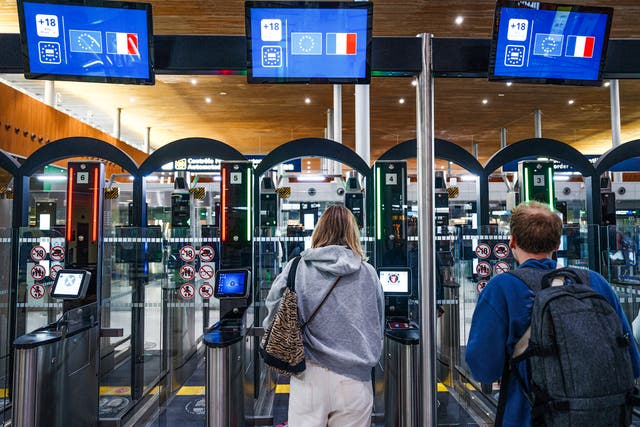
The European Union’s entry-exit system will be introduced from 12 October
<div class="
Freetown Christiania
Freetown Christiania is a self-proclaimed autonomous neighborhood in Copenhagen, Denmark, established in 1971 when squatters occupied abandoned military barracks. It is known for its alternative, communal lifestyle, colorful murals, and a history of open cannabis trade, which has often brought it into conflict with Danish authorities. Despite legal pressures, it remains a significant symbol of counterculture and a popular tourist attraction.
Nyhavn
Nyhavn is a historic 17th-century waterfront, canal, and entertainment district in Copenhagen, Denmark. It was originally constructed in the 1670s as a commercial port where ships from around the world would dock. Today, its iconic, brightly colored townhouses are famous landmarks, housing restaurants and cafes, while the old sailing ships along the quay preserve its maritime heritage.
National Gallery of Denmark
The National Gallery of Denmark (Statens Museum for Kunst) in Copenhagen is Denmark’s principal museum for visual arts, founded in 1896. It houses extensive collections of Danish and international art, ranging from the 14th century to the present day, with its historic origins tracing back to the Royal Danish Art Collection established in the 17th century.
Malmö
Malmö is Sweden’s third-largest city, located in the southern province of Scania. Historically a major industrial and shipbuilding hub, its modern identity was transformed by the 2000 opening of the Öresund Bridge, connecting it to Copenhagen and fostering a diverse, knowledge-based economy. Today, the city is known for its contemporary architecture, such as the Turning Torso skyscraper, and its vibrant cultural scene.
Öresund Bridge
The Öresund Bridge is a combined railway and motorway bridge-tunnel that connects Copenhagen, Denmark, with Malmö, Sweden. Completed in 2000, it was built to physically and economically integrate the Øresund Region, dramatically improving travel and commerce between the two countries. Its innovative design includes an artificial island and a submerged tunnel to allow for ship passage and avoid interference with Copenhagen Airport.
Master Johan Hotel
The Master Johan Hotel is a historic hotel located in the heart of Stockholm, Sweden, originally opened in the late 19th century. It is named after the master builders who constructed the surrounding district and is known for its preserved Art Nouveau architecture. Today, it operates as a boutique hotel, offering a blend of old-world charm and modern hospitality.
Ribersborgs open-air baths
Ribersborgs open-air baths, commonly known as “Ribban,” is a historic wooden bathhouse located on a long pier in the Öresund strait off Malmö, Sweden. Opened in 1898, it was originally a segregated facility for men and women and has been a beloved local institution for over a century, offering traditional cold-water bathing and saunas. The current structure, rebuilt after a fire in 1956, remains a popular year-round destination for its restorative waters and views of the Malmö coastline.
Amager
Amager is a large island in Denmark, located just east of Copenhagen. Historically a rural area known for farming and supplying the capital with produce, it was dramatically transformed in the 20th century with land reclamation and the construction of the Copenhagen Airport and modern residential districts. Today, it is a densely populated and diverse part of the metropolitan area, blending historic villages with contemporary urban development.