)
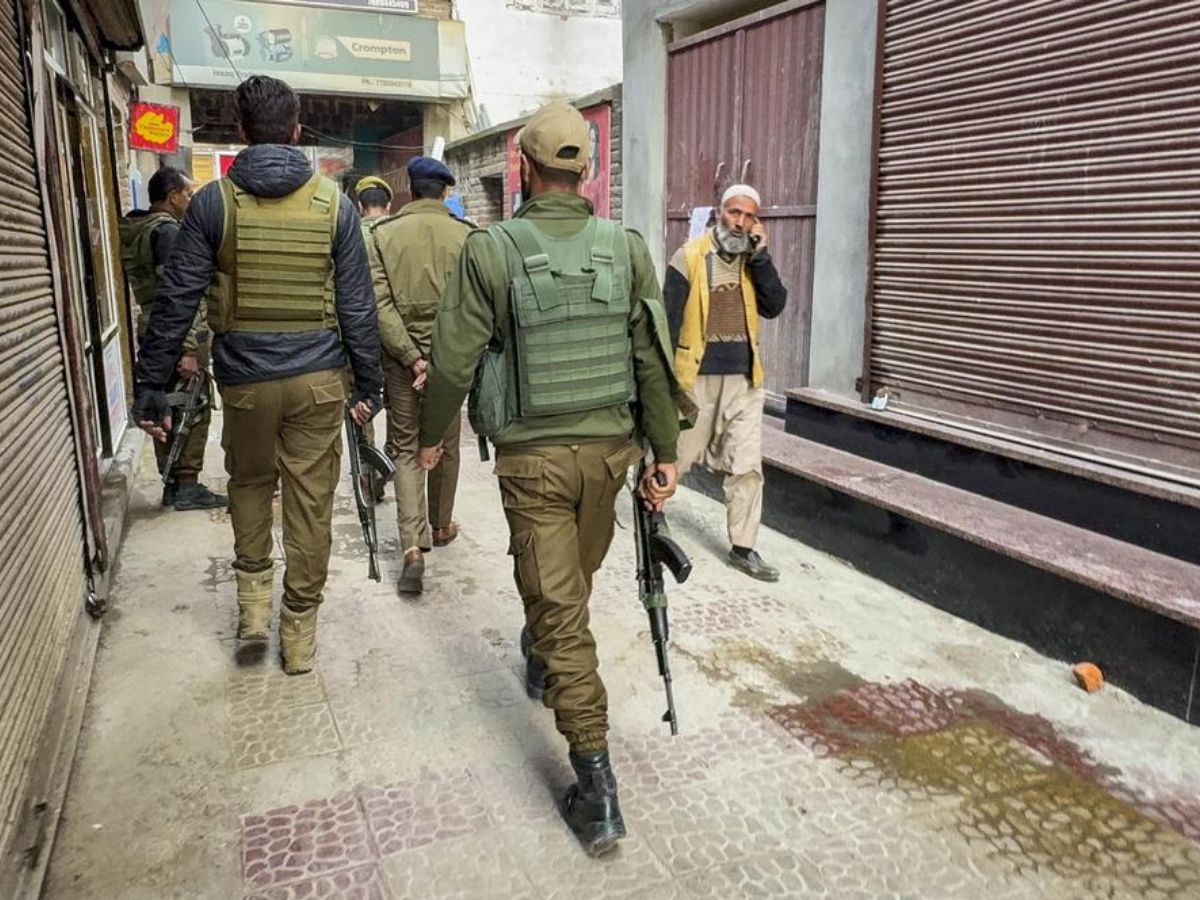
Jammu Kashmir Doctor Terror Module case: The State Investigation Agency (SIA) has stated while filing a chargesheet in the Jammu and Kashmir Doctors’ Terror Module case that this module was operating independently within India. The agency has filed a chargesheet against 10 people. According to the SIA, these terrorists were attempting to revive the Islamic terrorist organization Ansar Ghazwatul Hind (AGuH), which is linked to Al-Qaeda. The SIA said they were all working covertly, using the name of Jaish, to re-establish AGuH and enhance its operational capabilities.
Based on the FIR registered at the Naugam police station, this module was also said to be linked to the Delhi Red Fort blast case. The SIA’s chargesheet states that Pakistan-based Jaish-e-Mohammed had no connection whatsoever with this module or the subsequent Red Fort blast. This chargesheet has been filed in connection with the FIR registered at the Naugam police station in Srinagar against ten (10) accused.
This case is linked to an incident on 19-10-2025, where provocative and threatening posters were put up in the Naugam area in the name of the banned terrorist organization Jaish-e-Mohammed (JeM). The objective of these posters was to spread fear among the public, disrupt public order, and directly challenge India’s sovereignty and territorial integrity.
An intensive and sustained investigation revealed that this poster campaign was not an isolated incident but part of a larger, well-planned terrorist conspiracy. This module included highly educated individuals, including medical professionals. These individuals misused their knowledge, access, and institutional spaces for unlawful activities. The accused were actively spreading radical propaganda through digital platforms. Alongside this, they had also engaged in gathering materials related to making explosives and conducting experimental activities. These activities were also carried out in residential areas and locations associated with Al-Falah Medical College/University.
‘Doctor Terror Module’
The investigation revealed that this group had chosen Triacetone Triperoxide (TATP) as their preferred material. TATP is a sensitive and unstable explosive that has been used in numerous terrorist incidents worldwide. They chose it because its precursor components are easily available. The large-scale accumulation of explosive substances and precursor materials by this module has alarmed security and investigative agencies across the country. This reveals the seriousness of their intentions, the level of preparation, and indicates the devastating consequences that could have ensued had this conspiracy not been detected and thwarted in time.
The SIA has amassed a large volume of evidence, which prima facie establishes a strong case against the accused.
The accused against whom the chargesheet has been filed in this case are:
1. Arif Nisar Dar Sahil, resident of Bunpora Naugam, Srinagar
2. Yaser ul Ashraf Bhat, resident of Bunpora Naugam, Srinagar
3. Maqsood Ahmad Dar Shahid, resident of Bunpora Naugam, Srinagar
4. Irfan Ahmad Wagaiovees, resident of Nadigam, Shopian
5. Zamir Ahmad Ahangar Muttalashi, resident of Wakura, Ganderbal
6. Dr. Muzammil Shakeel Ganai Musaib, resident of Koil, Pulwama
7. Dr. Adil Ahmad Rather Javed, resident of Wanpora Qazigund, Kulgam
8. Dr. Shaheen Saeed, resident of Lalbagh, Lucknow, Uttar Pradesh
9. Tufail Ahmad Bhat, resident of Diarwani, Batmaloo
10. Dr. Umar un Nabi, son of Gh. Nabi Bhat, resident of Koil, Pulwama (killed in the suicide attack on the Red Fort).
The charge sheet has been filed before the competent court. Further investigation is ongoing. The SIA has also reiterated its commitment to dismantling terrorist machinery and neutralizing radical networks.