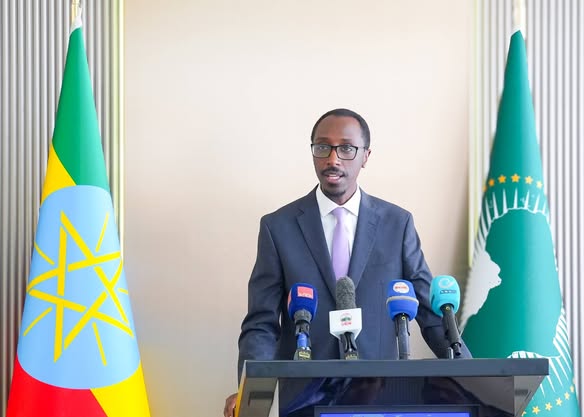
The program aims to equip diplomats with the necessary skills and knowledge to effectively protect Ethiopia’s national interests on the international stage, amidst rapid regional and global changes.
The launch of this initiative is part of broader efforts to modernize the ministry and align its performance with the ongoing transformations in the international environment.
During the launch ceremony, it was explained that a comprehensive three-year institutional reform roadmap is currently being implemented, focusing on improving efficiency, developing internal systems, and creating a stimulating work environment.
It was emphasized that enhancing diplomats’ capabilities is a central element of this reform, noting that the program will contribute to developing their analytical skills, professional competence, and practical knowledge, enabling them to represent Ethiopia efficiently in an increasingly complex international environment.
It was further stressed that the reform is important and necessary to keep pace with the requirements of the current phase, confirming that the program aims to modernize the institution and ensure its alignment with contemporary standards and challenges.
It was noted that the program’s preparation was based on a detailed internal study to identify key gaps, pointing out that it addresses shortcomings in human capacities, including aspects of professionalism, understanding of Ethiopia’s cultural and national context, in addition to skills in global diplomacy and international negotiation.
It was added: “We are working to improve areas with capacity deficiencies,” confirming that the reform takes into account shifts in the international environment and the challenges facing the country, alongside enhancing institutional capacity to achieve the desired goals.
The reform program includes implementing specialized training courses, reviewing the curriculum at the Foreign Affairs Institute, introducing a new code of conduct, and expanding opportunities for postgraduate studies.
Development partners were called upon to support the program through co-financing, technical cooperation, and knowledge exchange, noting that modern diplomacy is no longer limited to relations between states but includes vital areas such as peacebuilding, economic integration, trade and investment, climate cooperation, and regional stability.
It was affirmed that strengthening institutional systems and human capacities are fundamental pillars for enabling Ethiopia to achieve its development priorities and national prosperity agenda.