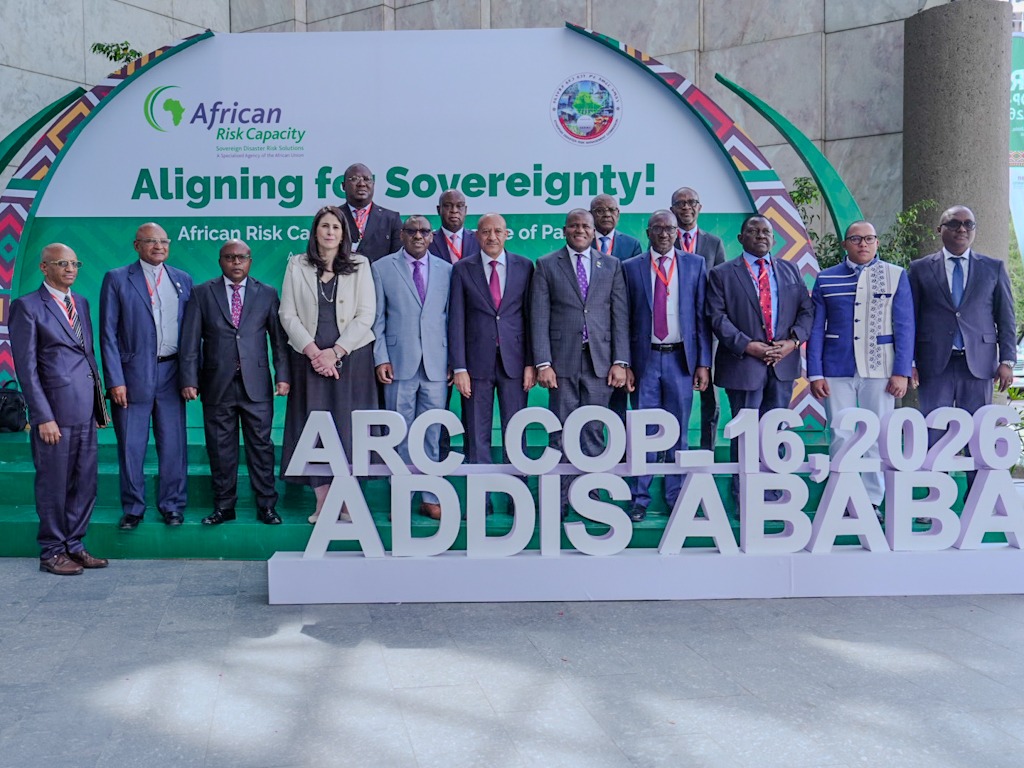
The statements were made during participation in the proceedings of the sixteenth Conference of the Parties to the African Risk Capacity, held at the headquarters of the African Union in the capital, Addis Ababa. There was a call for African nations to move beyond fragmented responses and adopt coordinated solutions led by the continent itself.
It was stated that Africa is facing a severe test due to the global climate crisis, with a warning that this challenge must become a turning point towards greater solidarity instead of division.
It was added: “This moment calls not for despair, but for determination, for unity, and for the authentic African spirit.”
It was affirmed that climate change is no longer a distant or theoretical threat, but has become a tangible reality directly affecting the lives and livelihoods of peoples across the continent.
It was emphasized that unity is not merely a slogan, but a decisive force for strengthening Africa’s collective capacity for resilience.
The approach based on responding to crises after they occur was criticized, calling for a radical shift towards prevention and preparedness.
It was said: “We cannot build our future on a spiral of crises and dependence on others. Too often we have been forced to seek external solutions after disasters strike, and this approach must change.”
The importance of investing in scientific solutions, early warning systems, and proactive risk strategies was highlighted, as they contribute to protecting livelihoods and enhancing national sovereignty.
The commitment of Ethiopia was reaffirmed, pointing to prominent national initiatives such as the Green Legacy Initiative, alongside efforts to achieve food sovereignty and expand renewable energy infrastructure to enhance regional integration.
The importance of strengthening continental institutions, particularly the African Risk Capacity, was stressed, describing it as a fundamental element in building Africa’s long-term resilience.
It was affirmed that strengthening African institutions is not a choice but an imperative necessity, adding: “When we invest in our own systems, rely on our own knowledge, and work together, we can change the trajectory of our continent.”
The address concluded by affirming Ethiopia’s readiness to lead efforts and cooperate with African partners, stating: “Africa’s future must not be defined by fragility, but by resilience, sovereignty, and shared progress.”