The upcoming mayoral election on the 12th has made the redevelopment plan for the municipal art museum a key issue. Due to rising labor and construction material costs, the project’s budget has ballooned to over 15 billion yen, more than double the initial estimate, and the construction start date remains undecided.
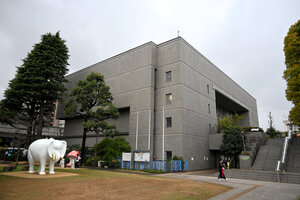
The municipal art museum opened in 1985. Located in front of Nakamabashi Station, it sees about 70,000 visitors annually. Citing aging facilities, the ward formulated a “Basic Redevelopment Plan” for the museum in 2022. Basic design was completed in January 2024, with the aim of starting construction this fiscal year. The plan called for integrated redevelopment with a library, proposing a building with one basement floor and four above-ground floors, more than doubling the total floor area.
However, in September last year, it became uncertain when construction would start as a contractor could not be secured. This is believed to be due to a trend in the construction industry of prioritizing other types of projects. The initial redevelopment budget of 7.6 billion yen had risen to approximately 15-16 billion yen as of February this year.
The mayoral election announced on the 5th of this month is a three-way race among independent newcomers.
Yoshida, who is running again after the previous election…