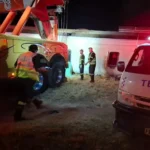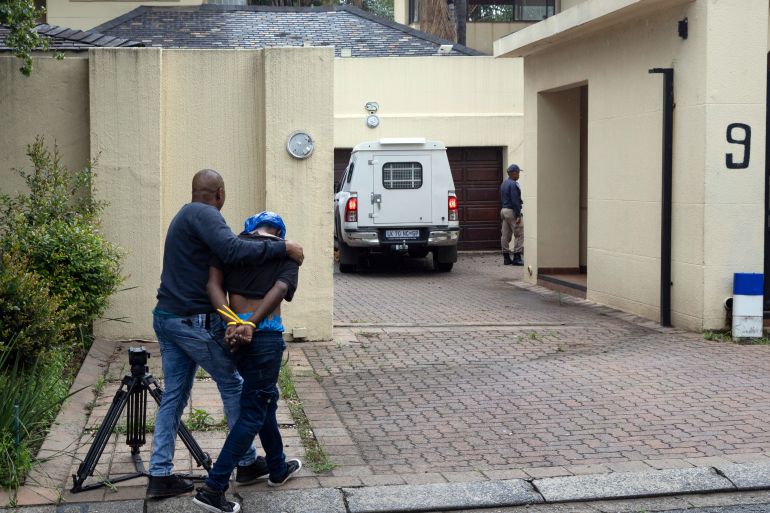
Police in South Africa announced that 11 people were killed and 24 others were injured by gunfire after armed assailants stormed a hotel in the capital, Pretoria, on Saturday and opened fire on a gathering in its bar.
Ten people died at the scene of the incident in the township of Soshanguve, 18 kilometers west of Pretoria, including a 3-year-old child killed in the attack, along with another (12 years old) and a third aged 16.
It was also confirmed that 25 people were injured by gunfire, and 14 people were taken to the hospital.
Three gunmen entered the building around 4:30 a.m. (02:30 GMT) and opened fire randomly on a group of men who had gathered in the hotel’s bar.
The attack was described as “a very unfortunate incident,” noting that police were only notified about the incident around 6 a.m. The motives for the shooting are not yet known, and no suspects have been arrested.
This is the latest attack in a series of mass shooting incidents in the country, which has a population of 63 million.
South Africa suffers from deep-rooted crime and corruption driven by organized networks. Many citizens own licensed firearms for personal protection, but there are also many illegal weapons in circulation.
According to police data, armed violence claimed an average of about 63 lives per day from April to September last year.