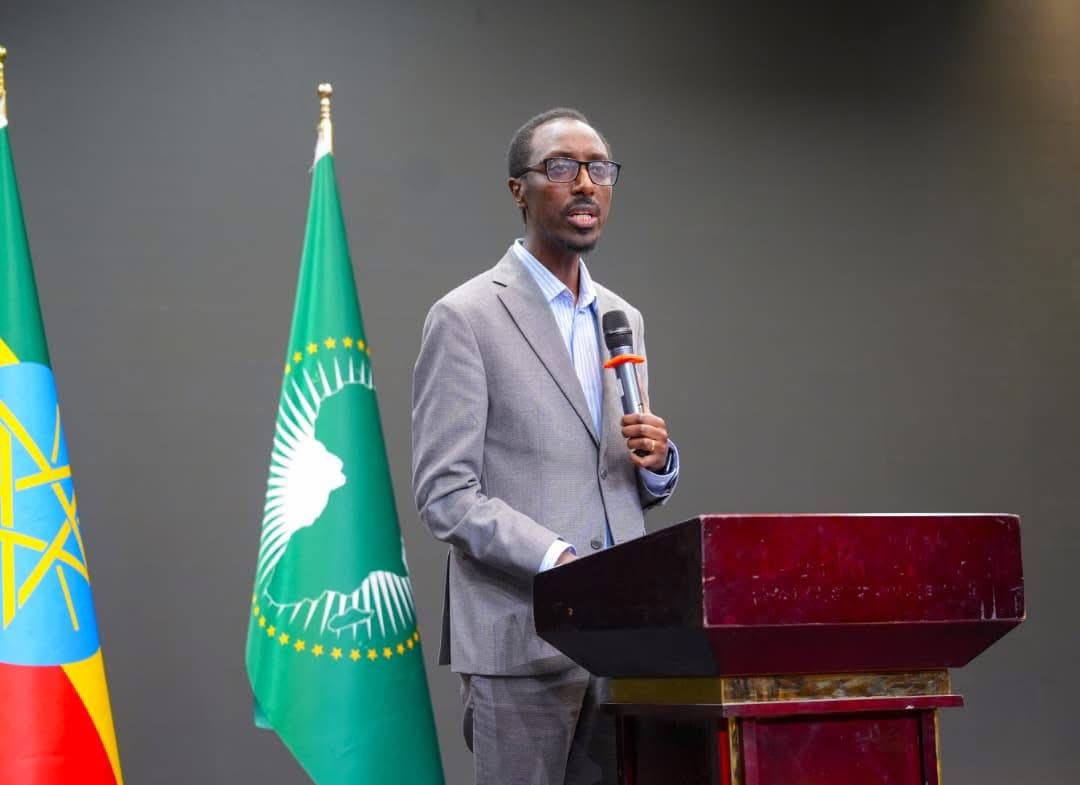
Addis Ababa — The Ministry of Foreign Affairs honored institutions and individuals who played a pivotal role in the successful hosting of the 39th African Union Summit and the second Italy-Africa Summit.
According to the ministry, the recognition ceremony brought together representatives from government offices, partner institutions, and volunteers who supported the organization of the high-level meetings held in Addis Ababa.
The coordinated efforts that ensured the smooth running of both summits were praised.
It was stated that Ethiopia, as the host nation, demonstrated responsibility and patriotism in organizing events of continental and international importance.
It was affirmed that the country’s image was further enhanced by maintaining peace and security, offering generous hospitality, and providing efficient services throughout the duration of the two summits.
The collective efforts that yielded these successful outcomes were commended.
It was noted that these achievements were realized thanks to the close cooperation between institutions and stakeholders.
Certificates of appreciation were awarded to various institutions and entities in recognition of their outstanding contributions to the successful hosting of these two major events.
Ministry of Foreign Affairs
The Ministry of Foreign Affairs is the government department responsible for managing a nation’s diplomatic relations and foreign policy. Its history is tied to the development of the modern state, with many countries establishing a formal, centralized foreign office in the 18th or 19th centuries, such as the UK’s Foreign Office (1782) or the US Department of State (1789). Today, it coordinates embassies, international treaties, and represents the country’s interests abroad.
39th African Union Summit
The 39th African Union Summit was a major diplomatic conference held in Addis Ababa, Ethiopia, in February 2022. Its central theme was “Building resilience in nutrition on the African continent,” focusing on food security and health, while also addressing key political and economic issues like the COVID-19 pandemic response and regional conflicts.
second Italy-Africa Summit
The second Italy-Africa Summit, held in Rome in January 2024, was a diplomatic conference focused on fostering a new partnership between Italy and African nations. It centered on the Italian government’s “Mattei Plan,” a strategic framework aimed at promoting development in Africa through cooperation in energy, education, and infrastructure, while addressing shared challenges like migration and climate change.
Addis Ababa
Addis Ababa is the capital and largest city of Ethiopia, founded in 1886 by Emperor Menelik II. It serves as the political and diplomatic hub of Africa, hosting the headquarters of the African Union and the United Nations Economic Commission for Africa. The city’s history is reflected in sites like the National Museum, home to the fossil “Lucy,” and St. George’s Cathedral, built to commemorate Ethiopia’s victory at the Battle of Adwa.
Ethiopia
Ethiopia is a historically rich nation in the Horn of Africa, widely considered one of the oldest sites of human civilization and home to the ancient Aksumite Kingdom. It is unique in Africa for largely maintaining its sovereignty during the colonial era and is renowned as the origin of coffee and the Ethiopian Orthodox Church. Its cultural landscape features UNESCO World Heritage Sites like the rock-hewn churches of Lalibela and the fortified city of Harar Jugol.