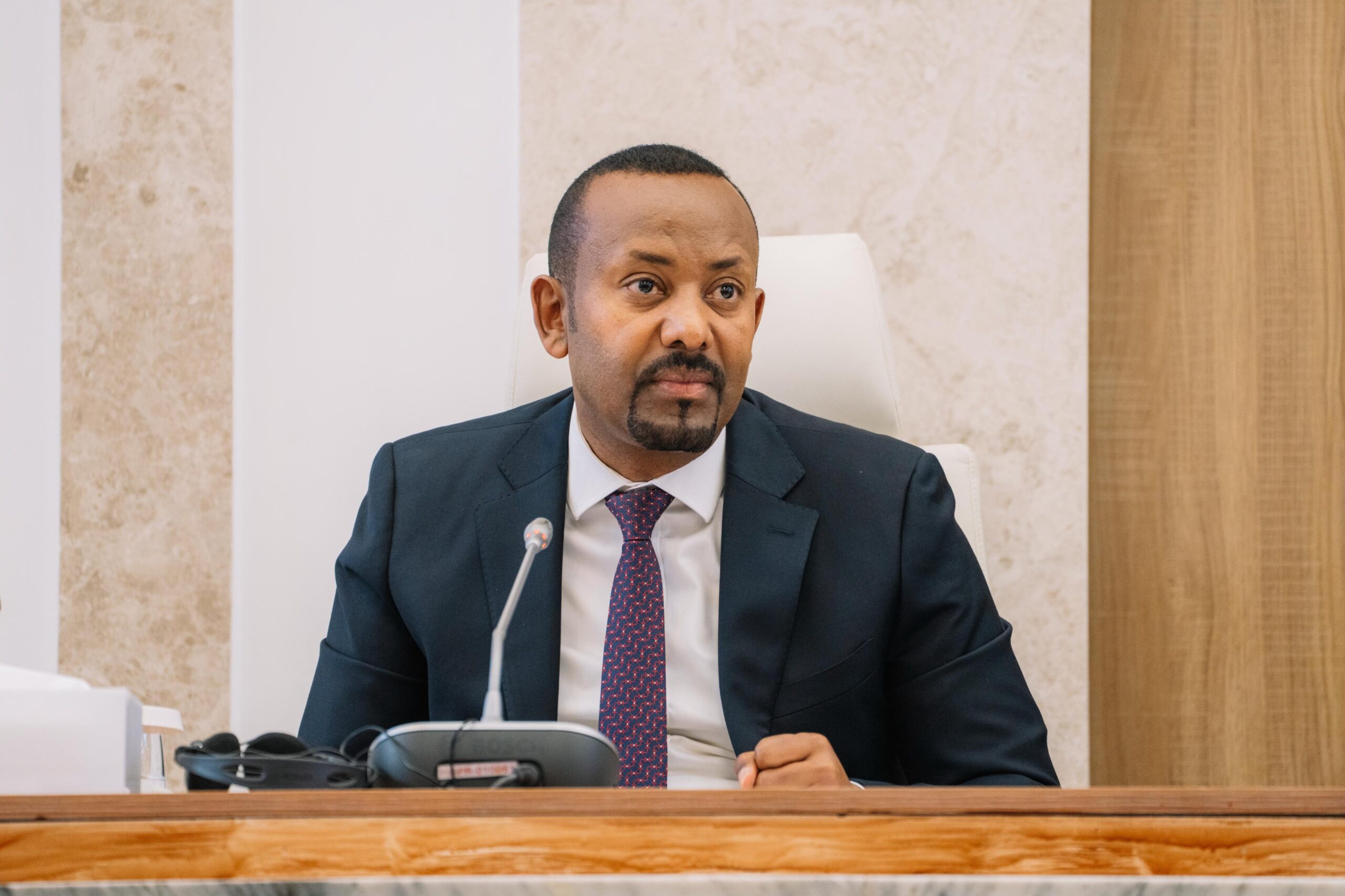
Prime Minister Abiy Ahmed has called for a radical rethinking of peacebuilding and conflict resolution mechanisms in Ethiopia, citing a continued reliance on force, a culture of betrayal, and external fears of Ethiopia’s growth as key factors behind the persistent absence of peace in the country.
In his address to members of the House of Peoples’ Representatives, he stated that Ethiopians have historically been accustomed to resolving differences through force rather than dialogue, a practice that has hindered the achievement of lasting peace and national cohesion.
He explained that this culture of confrontation is deeply ingrained, often starting at the family level, and shapes broader political and social behaviors that later manifest as conflicts.
He emphasized that achieving sustainable peace requires changing the political culture and social norms by prioritizing dialogue, trust, and mutual understanding over coercion and division.
The Prime Minister’s remarks come amid ongoing national efforts to promote reconciliation and strengthen institutional mechanisms aimed at ensuring lasting peace and stability throughout the country.
Regarding the historic comprehensive national dialogue, Prime Minister Abiy Ahmed said the current generation must build and shape the country through dialogue.
He added that the National Dialogue Commission has, from this perspective, identified key agenda items and is doing commendable work.
He explained: “In the next phase, the commission is expected to engage a wide spectrum of participants in in-depth discussions on these items and present ideas based on that. The process so far has shown that Ethiopians share close interests and aspirations.”
Concerning this year’s elections, Prime Minister Abiy Ahmed reaffirmed that the government is working hard to ensure the elections are peaceful, fair, and inclusive.
He said: “Regarding the elections, I say to the Ethiopian people: let us judge them by the results. I would like to confidently affirm that this parliament will be a platform where diverse voices are heard in various ways.”
He also expressed hope that the elections would be conducted peacefully and that the participating forces would benefit from them.
During his speech to parliament, the Prime Minister also stressed the necessity for the people of Tigray to be active players on the political stage, affirming their desire for peace and development.
He said: “They are a peace-loving people, seeking to overcome their current hardships, work hard, and change their lives through their own efforts. They also wish to work together and grow in cooperation with their Ethiopian brothers.”
However, Abiy Ahmed stressed that the people of Tigray have not been active players on the political stage; rather, they have been merely a stage upon which others perform their roles. A stage is not a place where others perform their roles, but a place where no one moves.
He added: “Therefore, the people of Tigray must become independent actors. To achieve this, the political mindset must change. Politicians in Tigray must also transition from a supporting role to a leadership role.”
Regarding the Horn of Africa region, Abiy Ahmed said the region has been bound together to prevent its tearing apart and patched up to prevent its collapse.
Despite being home to peoples with close cultural and linguistic ties, it is also a region marked by sharp competition and external interventions, he said, adding that “the issue of shared waters has complicated matters, drawing external parties into our internal affairs and turning what should have been mutual support into a source of conflict.”
“For this reason, the region faces its own challenges, and strenuous efforts are being made to address and resolve them. I am confident that these efforts will be crowned with success.”