In order to spread the image of “Hanoi’s Tet” to a large number of domestic and international visitors, especially the Vietnamese community abroad during the Lunar New Year of Binh Ngo 2026, the Hanoi Department of Tourism will organize a series of Tet-themed activities, events, festivals, and cultural and artistic spaces imbued with Hanoi’s identity.
Accordingly, from February 6-10, the Hanoi Department of Tourism, in collaboration with the Thang Long – Hanoi Heritage Conservation Center, the City Union of Friendship Organizations, and relevant departments and units, will host the 2026 Happy Tet Program with the theme “Tet is Happiness” at the Thang Long Imperial Citadel Heritage Site.
Through a diverse series of activities, the program aims to establish Happy Tet as a distinctive cultural-tourism experience destination in Hanoi every spring; thereby spreading the love for traditional culture, raising community awareness, especially among the younger generation, in preserving, conserving, and promoting national cultural heritage values, while also promoting sustainable tourism development.
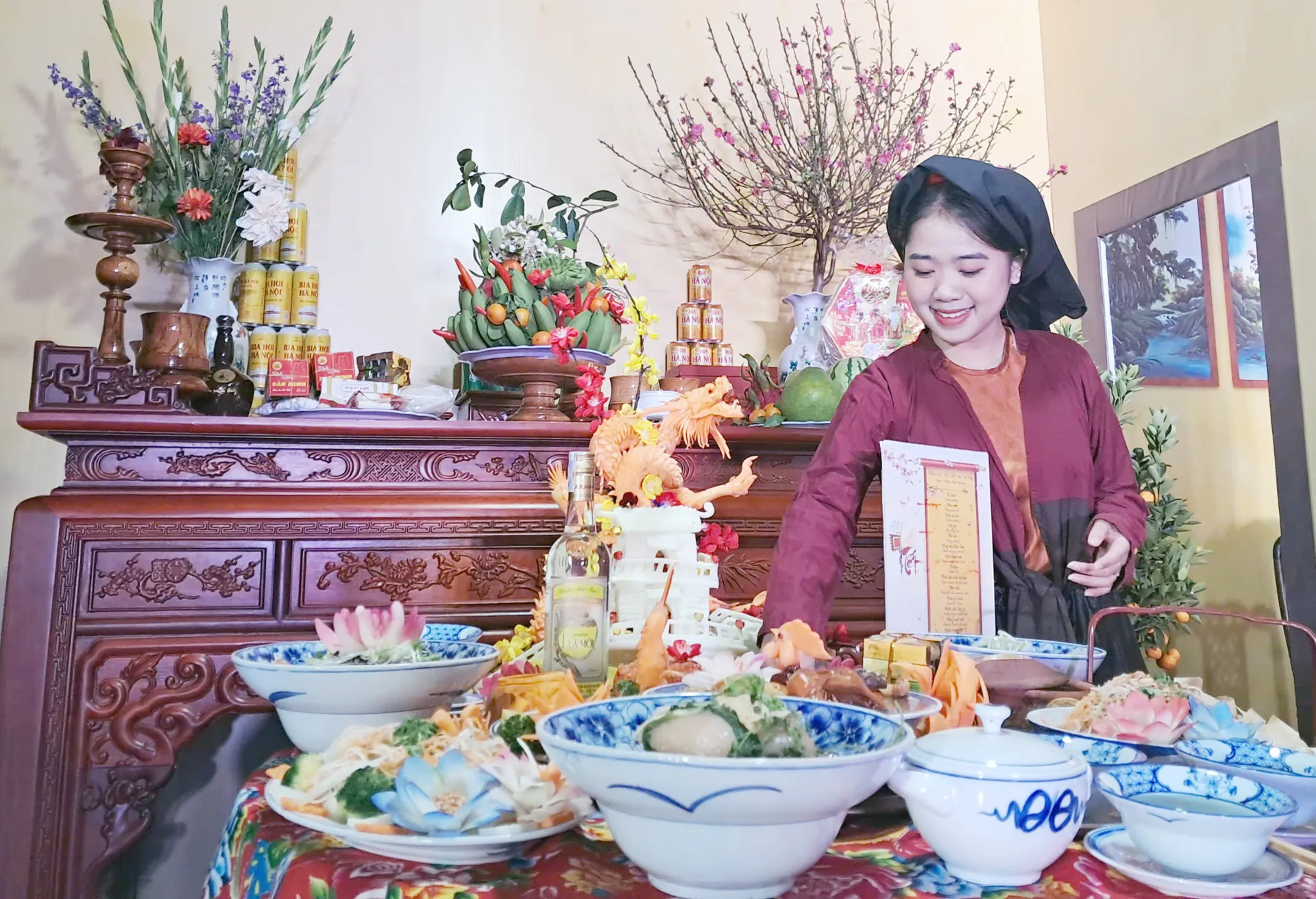
In addition, various departments, sectors, wards, and communes across the city are also organizing numerous programs, events, and activities to welcome the new year, such as: the 2026 Binh Ngo Spring Tet Fair with the theme “Peaceful Spring – Reunion Tet” organized by the Department of Industry and Trade; Plans to organize 103 Lunar New Year Binh Ngo 2026 spring flower markets in 55 communes and wards; The opening of the Binh Ngo Spring Calligraphy Festival and cultural, artistic, experiential activities, and calligraphy writing hosted by the Van Mieu – Quoc Tu Giam Center for Cultural and Scientific Activities.
Alongside these are activities recreating the “Sending off the old, welcoming the new” ritual; the Binh Ngo Spring Opening Incense Offering Ceremony; organizing exhibitions, displays, performances of water and land puppetry, and folk performances for visiting citizens at the Thang Long Imperial Citadel Heritage Site hosted by the Thang Long – Hanoi Heritage Conservation Center; the Go Dong Da Festival (Dong Da Ward); the Hai Ba Trung Festival (Me Linh Commune); the Huong Pagoda Festival (Huong Son Commune)…
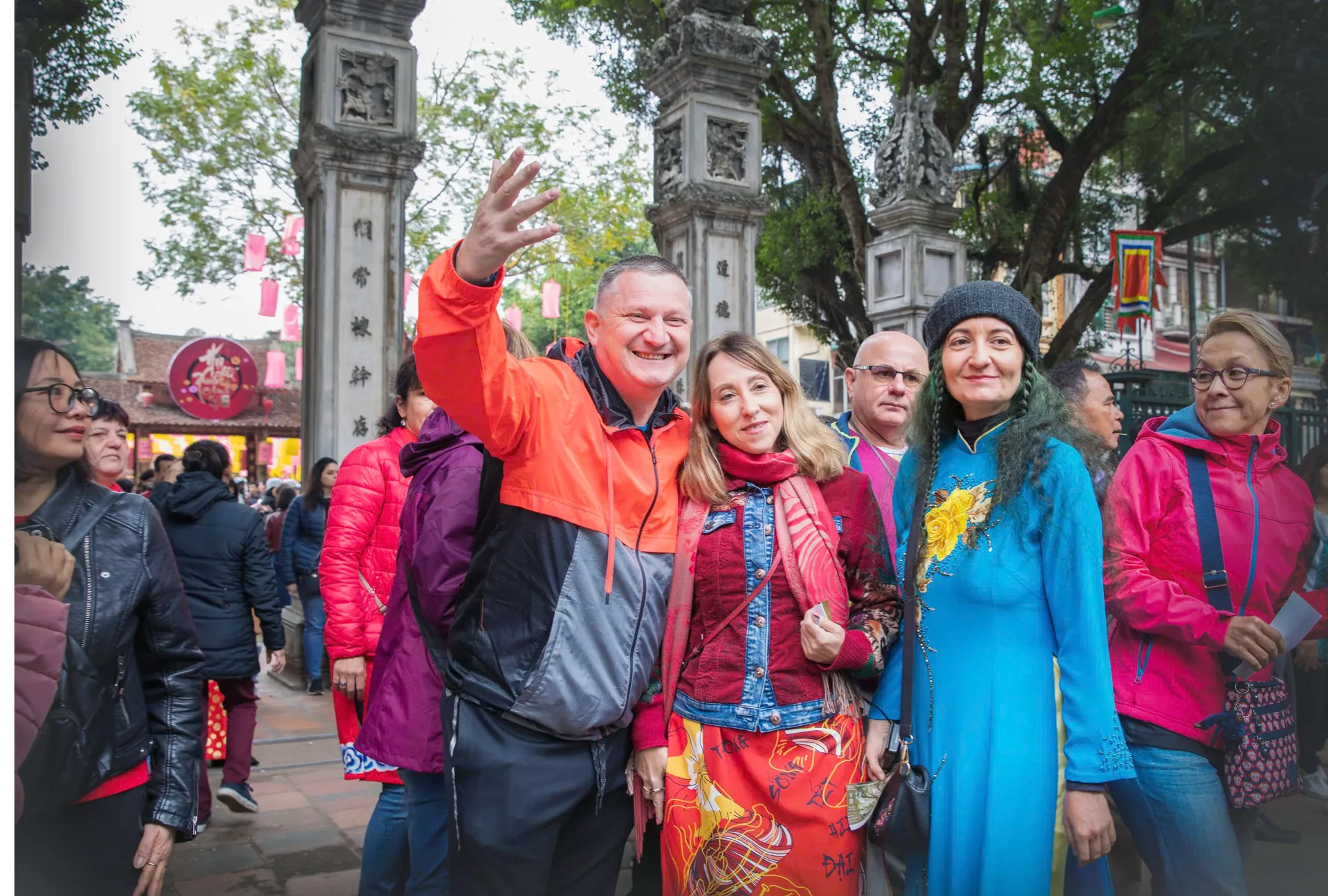
Regarding travel products, activities, and services, Hanoi continues to promote tours and experience programs linked to historical, cultural, and urban space values. In addition to the tours currently operating in the city, some notable new products include: The “Flag Tower Memories” tour and the 3D Mapping performance “Thang Long Imperial Capital” at the Thang Long Imperial Citadel Heritage Site; the “Beautiful Hanoi Sound” night bicycle tour; the “Hanoi – Touching the Realm of Memories” experience tour around Truc Bach Lake, Ba Dinh Ward; the Da Phuc Green Tourism – River Camping tour in Da Phuc Commune…
On this occasion, hotels in Hanoi are also implementing many activities to attract and welcome guests for stays during the Lunar New Year Binh Ngo holiday, such as designing special discounted accommodation packages, including programs, New Year’s Eve parties, combo service packages, and dining services, while ensuring no surcharges or price increases during the Tet holiday…
With a vibrant series of activities and events during the Lunar New Year Binh Ngo, the capital’s tourism sector affirms its position as a green, safe, friendly, quality, and attractive destination; simultaneously creating favorable momentum for the growth of capital tourism right from the first months of 2026.
As the Lunar New Year Binh Ngo holiday approaches, travel demand is also rising. Exploiting the psychology of urgent hotel bookings and travel services on online platforms, many subjects have deployed a series of sophisticated scams, appropriating property and causing significant losses for both tourists and accommodation establishments.
The 9-day Lunar New Year Binh Ngo (2026) holiday has led to a significant increase in people’s travel demand. While international travel was the main choice in previous Tet holidays, this year the market is witnessing a clear “rise to prominence” of domestic tours, becoming a trend prioritized by a large number of tourists