

Recent Comments
-
I posted the other day, but according to the JR announcement article from December 12th, starting March 14th next year, the Nozomi stopping at Shin-Yokohama Station…
-
I actually experienced the kind of history that is here. In the past, the timetable (National Railways timetable, after privatization, JTB and Kousai…
-
In the old days (around 1964 to 1965), it took about 5 hours from Shin-Yokohama Station to Shin-Osaka Station with one Kodama train per hour…
Tomei Expressway
The Tomei Expressway is Japan’s first major long-distance expressway, connecting Tokyo to Nagoya and a vital artery for the country’s economic growth. Opened in stages between 1969 and 1975, it was instrumental in linking the industrial and commercial hubs of the Kantō and Chūbu regions. Today, it remains one of Japan’s busiest and most important highways, though it is often congested, especially during holiday travel seasons.
Ebina Service Area
The Ebina Service Area is a major highway rest stop located along the Tōmei Expressway in Kanagawa Prefecture, Japan. Opened in 1969, it was one of the first service areas in the country and is historically significant for helping to establish the modern culture of road travel and convenience in Japan. Today, it is renowned for its wide variety of local food vendors and shops, making it a popular destination in its own right.
Minato Mirai ropeway
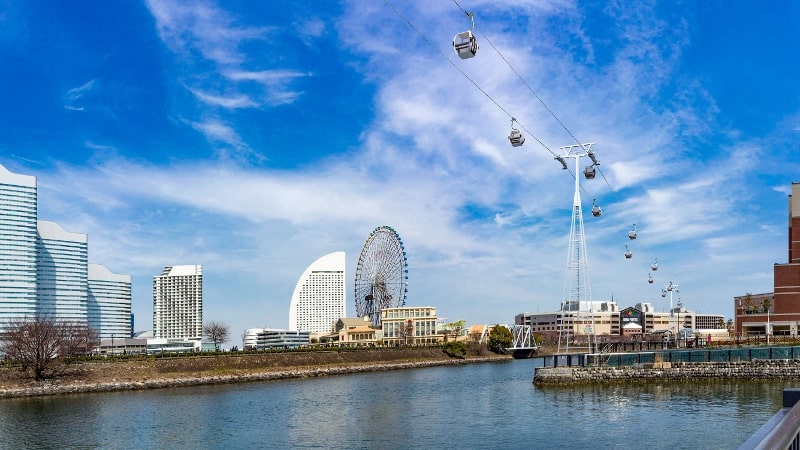
The Minato Mirai ropeway, also known as the Yokohama Air Cabin, is a modern gondola lift system that opened in 2021. It connects Sakuragicho Station with the Minato Mirai 21 district, offering scenic views over Yokohama’s waterfront. The ropeway was built to improve access and tourism in the area, which itself is a major urban redevelopment project built on former shipyards since the 1980s.
Shin-Yokohama Station
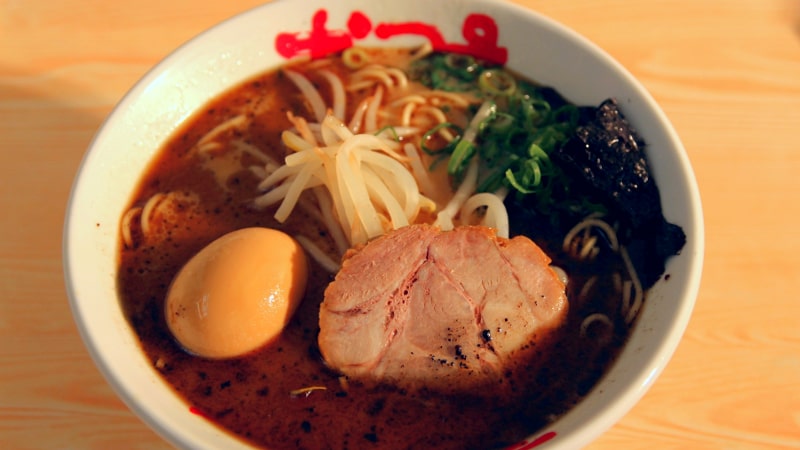
Shin-Yokohama Station is a major railway hub in Yokohama, Japan, which opened in 1964 to coincide with the launch of the Tokaido Shinkansen (bullet train) line. It is best known as the primary gateway to the city for high-speed rail travelers and is directly connected to the popular Shin-Yokohama Ramen Museum, a cultural attraction dedicated to Japan’s ramen noodle dish.
Shin-Osaka Station
Shin-Osaka Station is the primary shinkansen (bullet train) terminal in Osaka, Japan, which opened in 1964 to coincide with the launch of the Tokaido Shinkansen line. It serves as a major transportation hub connecting western Japan with Tokyo and other regions, with conventional railway lines and subway services added later to facilitate local travel.
National Railways
The National Railways, often referring to a country’s state-owned rail network, have historically been vital to industrial development and national unity. For instance, in many nations like the UK, Japan, or India, their establishment in the 19th or early 20th century connected remote regions, fueled economic growth, and shaped modern transportation. Today, these systems often symbolize both historical engineering achievements and ongoing efforts in sustainable public transit.
JR
“JR” refers to Japan Railways Group, a major network of railway companies in Japan formed after the privatization of the national railway system in 1987. It is renowned for its efficiency, punctuality, and the iconic Shinkansen (bullet train) network, which revolutionized high-speed rail travel beginning in 1964. Today, JR is a fundamental part of Japanese infrastructure and daily life, connecting cities and regions across the country.
Kodama train
The Kodama is a high-speed train service operated by Japan Railways (JR) on the Tokaido and Sanyo Shinkansen lines. Introduced in 1964 alongside the faster Hikari, it was the first bullet train service in the world, marking a revolutionary era in rail travel. Today, it primarily serves as a local service, stopping at all stations along its route to connect major cities with smaller towns.