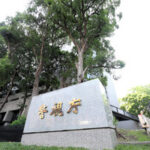
With roots in an elementary school founded in 1933, born from the Taisho-era Free Education Movement, it is now a comprehensive educational institution ranging from kindergarten to graduate school. The high school has about 700 students. While most graduates go on to university, the alumni are diverse, including F1 drivers and ballet dancers.
I would summarize our educational philosophy in my own words as: “To nurture people who will support democracy and peace.” High school is not merely a preparatory period for university. It is one of the most precious times in life to deepen one’s interests and contemplate one’s future.
No Division into Arts or Sciences, No Class Reshuffling
Therefore, the curriculum is distinctive. There is no division into arts or science courses throughout the three years, and classes are not reshuffled. Instead, each student creates their own learning plan from approximately 120 elective subjects.
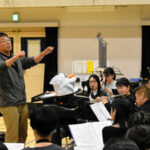
We place importance on learning through experience. For second-year students, a research trip of three nights and four days in groups of about 20 is a required elective subject. There are also “professional elective subjects” with instructors such as professional photographers and film directors. Even in classroom lessons, we emphasize not just cramming knowledge, but fostering interaction among students from different backgrounds and helping them form their own opinions.
The “Slightly Troublesome” Freedom
Basic rules like “wearing indoor shoes”…