Notable news: Proposal to add standard of ‘firm political mettle’ for lawyers; Standards for military uniforms and attire from July 1; Ministry of Health promotes digital transformation, strengthens control of specially controlled drugs…
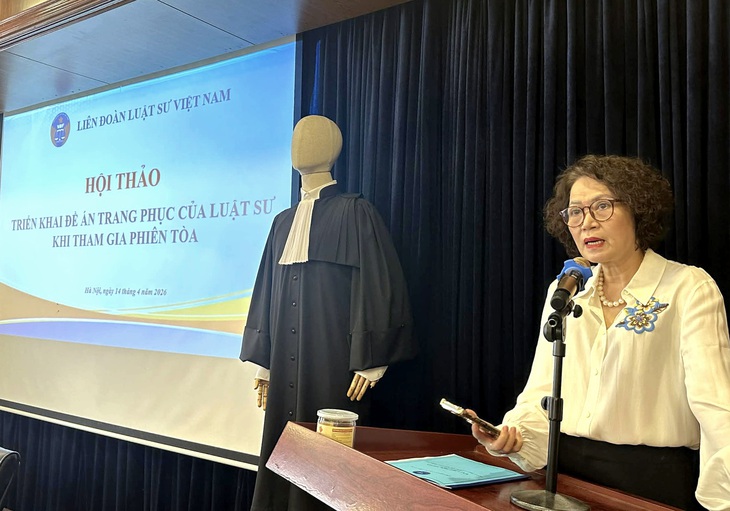
Proposal to add standard of ‘firm political mettle’ for lawyers
The Ministry of Justice is seeking opinions on the draft amended Law on Lawyers. Notably, the draft adds standards for lawyers.
The draft law adds the standards of firm political mettle, good moral character, resolute defense of justice, integrity, and honesty to the lawyer standards. It also assigns the government to specify the details of lawyer standards.
Accordingly, lawyers must have a correct understanding of the political system, awareness of protecting justice, national and ethnic rights and interests, and must not exploit their practice to infringe on national security and social order and safety.
This standard is set throughout training, apprenticeship, and the license exam to filter input. During practice, they must participate in compulsory training on political awareness; if they fail to meet the standard, their practice license may be revoked.
The draft law also revises the process of becoming a lawyer towards streamlining procedures. Apprentices will join the bar association from the start as apprentice lawyers and be managed throughout the apprenticeship, instead of only joining after being granted a license as currently. The rights and obligations of apprentice lawyers are also adjusted to increase practice opportunities.
Standards for military uniforms and attire from July 1
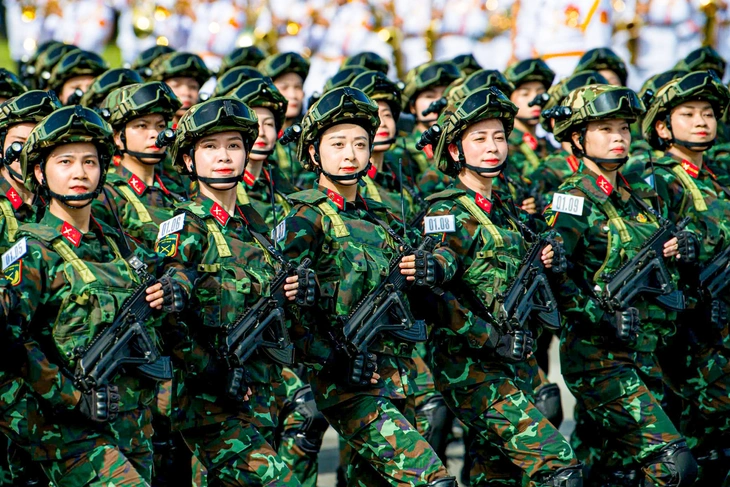
The Ministry of National Defense issued Circular 47/2026 stipulating certain standards for military uniforms and attire for military personnel, defense officials, workers, employees, military cadets, gifted students, reserve military personnel, and reserve officer trainees.
It also covers standards for guesthouse essentials and mess personnel in the Vietnam People’s Army.
The circular takes effect from July 1, 2026. It regulates standards for training uniforms of reserve military personnel and reserve officer trainees:
– Reserve military personnel and reserve trainees during training at military units are guaranteed uniform standards.
– Units in cold climate zones during winter training are provided with long-sleeved shirts instead of short-sleeved ones.
– Non-commissioned officers and soldiers who have completed military service and are retained for reserve officer training, upon course completion, are provided with short-sleeved shirts and officer trousers to replace the regular discharge uniform.
The circular also regulates standards for ceremonial uniforms of military trainees, including non-commissioned officers and soldiers who are officer trainees or second-degree university trainees at military academies and schools.
Ministry of Health promotes digital transformation, strengthens control of specially controlled drugs
The Ministry of Health has issued Circular 18/2026 detailing certain articles of the Law on Pharmacy and Decree 163/2025 on drugs and pharmaceutical ingredients subject to special control.
Notably, for the first time, many management processes are standardized in line with new regulations of the amended Law on Pharmacy and modern management systems, creating a foundation for enhanced supervision, traceability, and prevention of drug loss.
One of the key contents of the circular is clearly defining the responsibilities of each stage in the management process of specially controlled drugs. For medical facilities, narcotic drugs, psychotropic drugs, precursor drugs, and pharmaceutical ingredients that are narc