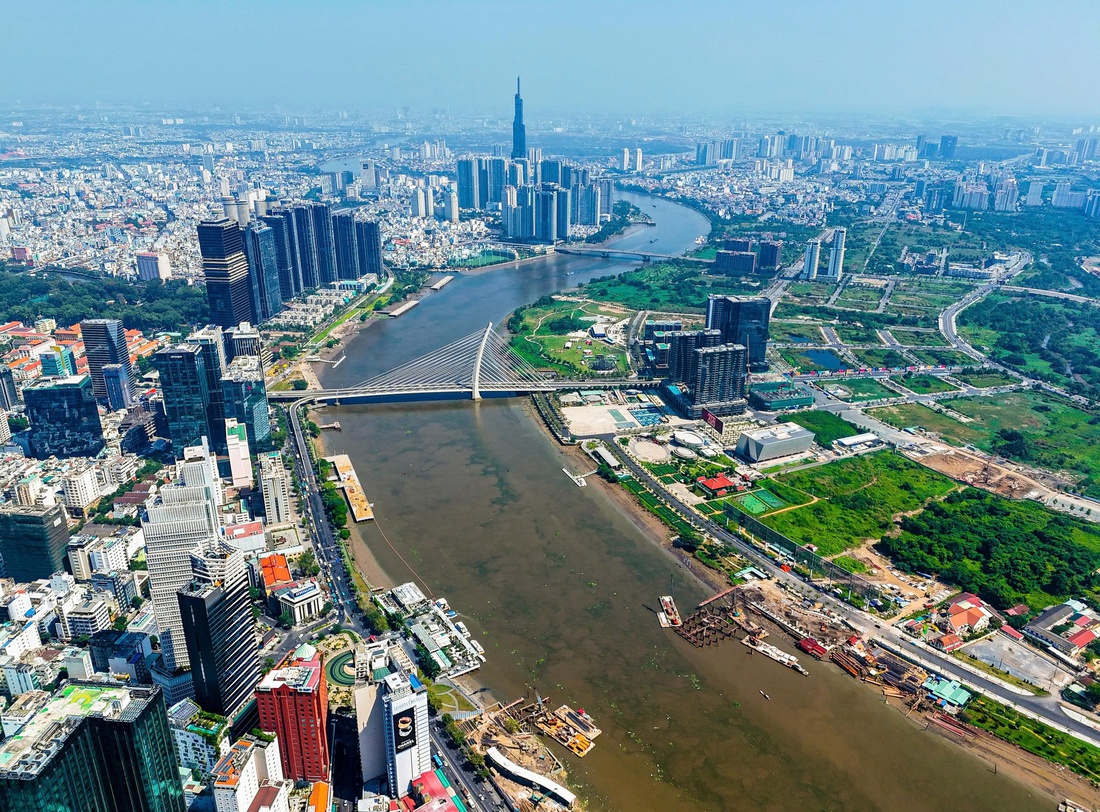
Ho Chi Minh City rises with strategic infrastructure.
Four projects were launched on this occasion, including metro line 2, section Ben Thanh – Thu Thiem; the central square and new administrative area; the renovation and beautification project of the Ho Chi Minh Museum area and the International University urban area.
On the occasion of the anniversary of the Liberation of the South and national reunification on April 30, 1975, and towards the milestone of 50 years since Saigon – Gia Dinh officially bore the name of President Ho Chi Minh, four strategic infrastructure projects will be simultaneously launched, along with the issuance of investment approval decisions for the Can Gio international transshipment super port.
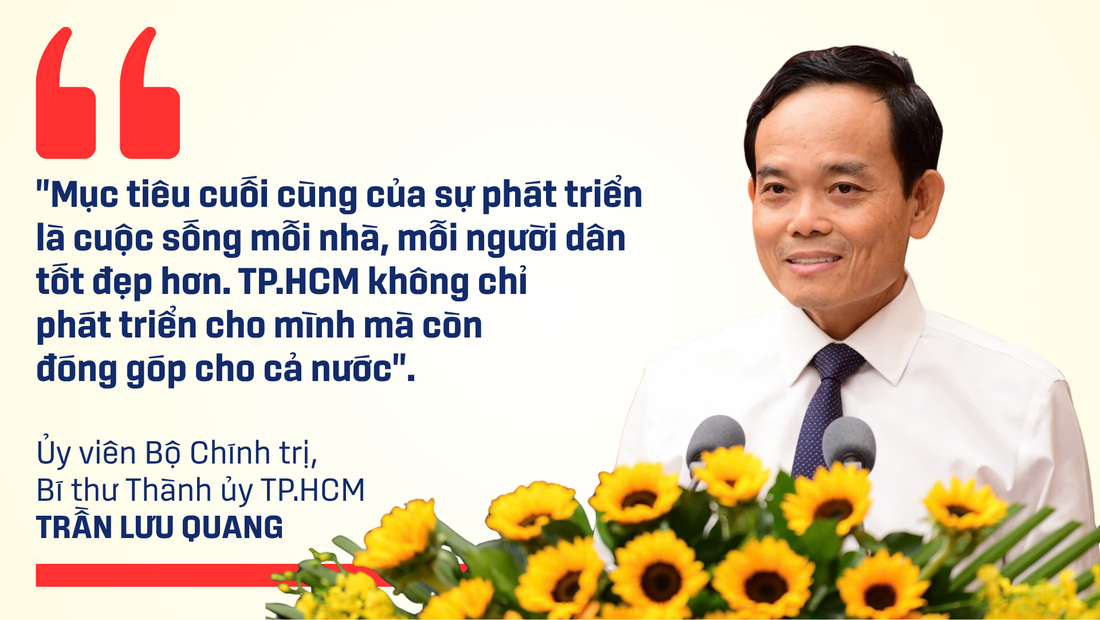
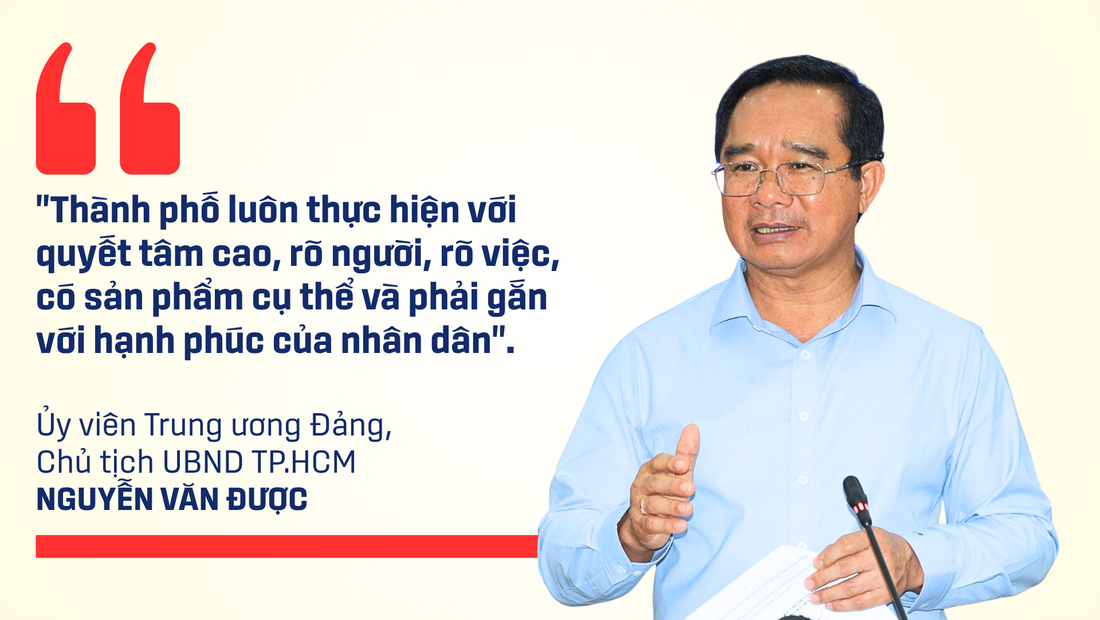
This is the result of the efforts and determination of Ho Chi Minh City’s leadership and management under the motto “clear tasks, clear timeline.”
Ho Chi Minh City – Image 3.Ho Chi Minh City – Image 4.
Projects shaping a super city
The four projects launched on this occasion include metro line 2, section Ben Thanh – Thu Thiem; the central square and new administrative area; the renovation and beautification project of the Ho Chi Minh Museum area and the International University urban area. These are all new iconic projects, contributing to shaping the city’s long-term development axes.
At the eastern gateway, two projects—metro line 2, section Ben Thanh – Thu Thiem, and the new administrative center—will gradually turn Thu Thiem into a regional infrastructure hub.
This area features strategic regional connection axes such as the Ho Chi Minh City – Long Thanh – Dau Giay expressway, the Thu Thiem station of the North-South high-speed railway, and the urban metro network.
Surrounding it are important nodes like Bien Hoa (Dong Nai), Cat Lai port, Ben Thanh central station, and notably, its location adjacent to the existing central core.
In the near future, when the transportation infrastructure system and key projects such as the political-administrative center, international financial center, and major cultural institutions become operational, traffic flows will converge on this area.
From the metro lines and railways, passengers can travel to Ben Thanh central station, then go underground through Thu Thiem via metro line 2, section Ben Thanh – Thu Thiem.
And also from Thu Thiem station, residents can take the Thu Thiem – Long Thanh railway to reach Long Thanh international airport.
In the reverse direction, upon landing at the airport, foreign investors can take the expressway or railway to the international financial center in Thu Thiem for cooperation and investment opportunities.
Along with the eastern development axis, Ho Chi Minh City is accelerating the opening of space towards the river and sea. This includes the Nha Rong – Khanh Hoi port area being renovated with a total investment of over VND 20,000 billion.
Phase 1 of the project will deploy a key area of about 9 hectares in zone 1—the central area of Nha Rong port—including landscape parks, a central square, riverside public spaces, and essential
metro line 2, section Ben Thanh – Thu Thiem
Metro Line 2, Section Ben Thanh – Thu Thiem is a planned metro line in Ho Chi Minh City, Vietnam, designed to connect the historic Ben Thanh Market area in District 1 with the Thu Thiem new urban area in District 2. The project aims to ease traffic congestion and support urban development, with construction originally approved in the early 2010s but facing delays due to funding and land acquisition issues. Once completed, it will be a key component of the city’s expanding public transit network.
central square and new administrative area
The Central Square and New Administrative Area is a modern urban development designed to serve as the political and administrative heart of a region or city. It typically features a large public plaza surrounded by government buildings, cultural institutions, and commercial spaces, symbolizing civic pride and efficient governance. Historically, such areas often emerge from urban renewal projects or the need to consolidate administrative functions, blending contemporary architecture with the legacy of earlier city planning.
Ho Chi Minh Museum area
The Ho Chi Minh Museum area in Hanoi is a significant cultural site dedicated to the life and legacy of Hồ Chí Minh, the founding father of modern Vietnam. Located near the Ho Chi Minh Mausoleum, the museum was opened in 1990 to mark the centenary of his birth, featuring artifacts and exhibits that chronicle his revolutionary journey and Vietnam’s struggle for independence. The area also includes the Presidential Palace and a traditional stilt house where Hồ Chí Minh lived, offering visitors a comprehensive view of his simple lifestyle and historical impact.
International University urban area
The International University urban area, often referring to the campus and surrounding districts of a major international university, typically represents a hub of multicultural education and research. Historically, such areas have developed around institutions founded in the mid-20th century to promote global exchange, often featuring modern architecture and diverse communities. Over time, they have become vibrant centers for innovation, attracting students and scholars from around the world.
Thu Thiem station
Thu Thiem station is a key metro station located in the Thu Thiem new urban area of Ho Chi Minh City, Vietnam. It serves as a major hub for the city’s Metro Line 1, which began construction in 2012 and officially opened in 2024, connecting the city center with the eastern districts. The station is part of the broader development of the Thu Thiem peninsula, a large-scale urban project aimed at transforming the area into a modern financial and commercial center.
Ben Thanh central station
Ben Thanh Central Station, officially known as Saigon Railway Station, is a major train hub located in Ho Chi Minh City, Vietnam. Originally built by the French colonial government in the early 20th century, it has served as a key transportation link connecting the city to other regions of the country. The station underwent significant reconstruction and expansion after the Vietnam War, and today it remains a vital gateway for both passenger and freight rail services.
Nha Rong – Khanh Hoi port area
Nha Rong, also known as the Ho Chi Minh Museum, is a historic building located in the Khanh Hoi port area of Ho Chi Minh City. Originally built in 1863 as a French colonial trade office, it is famous as the departure point from which young Ho Chi Minh left Vietnam in 1911 to seek ways for national liberation. Today, the site serves as a museum dedicated to his life and legacy, overlooking the Saigon River.
Can Gio international transshipment super port
The Can Gio International Transshipment Super Port is a proposed deep-sea port project located in the Can Gio district of Ho Chi Minh City, Vietnam. If built, it aims to become a major global transshipment hub, capable of accommodating the world’s largest container ships and competing with regional giants like Singapore. The project is part of Vietnam’s long-term strategy to boost its maritime economy, though it remains in the planning and feasibility stages as of 2025, with environmental and logistical challenges still under review.