Ho Chi Minh City adds another fireworks display location for April 30th.
According to the previously announced plan, Ho Chi Minh City will organize the “Unified Country” festival, commemorating the 51st anniversary of National Reunification Day (April 30, 1975 – April 30, 2026) and the 140th International Labor Day (May 1, 1886 – May 1, 2026). This includes an artistic fireworks program in multiple areas.
The fireworks display plan, led by the Ho Chi Minh City Command in coordination with the Department of Culture and Sports and relevant units, will take place from 9:00 PM to 9:15 PM on April 30 at 7 locations, including 3 high-range and 4 low-range sites.
The high-range locations are set at the entrance area of the Saigon River Tunnel (An Khanh Ward), the new city center area (Binh Duong Ward), and the park square (Ba Ria Ward).
The four low-range firing points include Dam Sen Cultural Park (Binh Thoi Ward), the Saigon Marina IFC tower (Saigon Ward), the Kim Long Villa area – Rach Dua Bridge (Nha Be Commune), and the Can Gio sea reclamation tourism urban area – Vinhomes Green Paradise (Can Gio Commune).
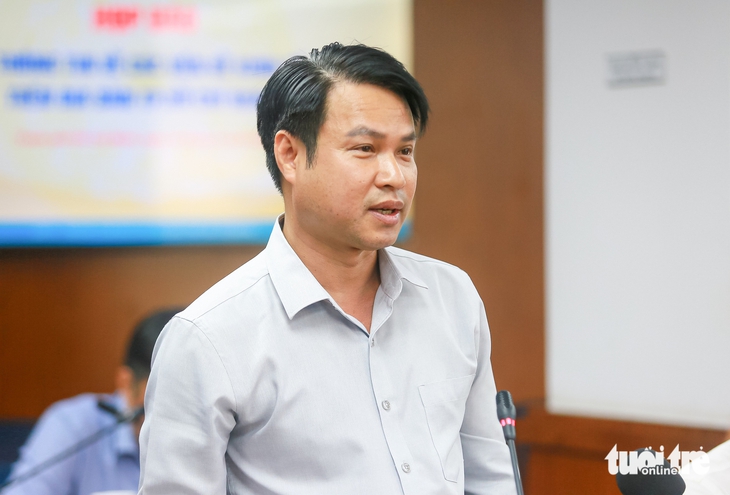
At a press conference on the afternoon of April 16, it was announced that in addition to the 7 locations mentioned above, an additional low-range firing point will be organized at the Cu Chi Tunnels historical relic site (An Nhon Tay Commune). This brings the total number of fireworks display points to 8.
Furthermore, during this commemorative period, Ho Chi Minh City will also organize numerous other activities.
These include a large-scale artistic performance program from 7:30 PM to 9:00 PM on April 30 at 3 areas, with the main stage on Nguyen Hue Street (the intersection with Huynh Thuc Khang Street), to be broadcast live on television and radio. The other two points will be at the new city center park (Binh Duong Ward) and Ba Ria Park square.
Prior to that, from April 26 to May 1, artistic programs serving the public will take place in rotation across many wards and communes. The series of cultural and sports activities during this period also includes the 50th Traditional April 30 Marathon, artistic performance programs for celebration, and decoration and propaganda activities along central routes.
A ceremony to visit cemeteries and offer incense and flowers in memory of President Ho Chi Minh and President Ton Duc Thang will be held on April 29.
Ho Chi Minh City organized 4 combined high and low-range fireworks points and 13 low-range points, firing for 15 minutes starting at 0:00 on February 17, 2026.
Saigon River Tunnel
The Saigon River Tunnel is Vietnam’s first underwater tunnel, completed in 2011 as a critical part of the Ho Chi Minh City Metro Beltway. It connects the city’s District 2 with the Thu Thiem New Urban Area, significantly easing traffic congestion by providing a vital route beneath the Saigon River. Its construction, a major engineering feat, marked a modern milestone in the city’s infrastructure development.
Dam Sen Cultural Park
Dam Sen Cultural Park is a large recreational and cultural complex located in Ho Chi Minh City, Vietnam, which opened to the public in 1999. It blends amusement park attractions, such as rides and water parks, with cultural exhibits showcasing Vietnamese architecture, gardens, and traditional village life. The park was designed to provide both entertainment and an educational glimpse into the nation’s cultural heritage.
Saigon Marina IFC tower
The Saigon Marina IFC Tower is a 40-story mixed-use skyscraper in Ho Chi Minh City, Vietnam, completed in 2018. It is part of the Saigon Marina complex, which was developed on the historic site of the former Ba Son Shipyard, a major naval repair facility dating back to the French colonial era in the 19th century. The tower now serves as a modern landmark for luxury residences, offices, and retail, symbolizing the city’s rapid urban development.
Kim Long Villa
Kim Long Villa is a historic French colonial-era mansion located in Hue, Vietnam, built in the early 20th century. It served as the residence for the Nguyen dynasty’s royal mandarins and is renowned for its unique architectural blend of European and traditional Vietnamese styles. Today, it operates as a museum and cultural site, preserving artifacts and offering insight into the aristocratic life of the period.
Rach Dua Bridge
The Rach Dua Bridge is a historic concrete arch bridge in Ho Chi Minh City, Vietnam, originally constructed in the early 20th century during the French colonial period. It spans the Ben Nghe Channel, connecting District 1 with District 4, and has been a vital transportation link for over a century, witnessing the city’s growth and transformation.
Can Gio sea reclamation tourism urban area
The Can Gio Sea Reclamation Tourism Urban Area is a large-scale coastal development project in Ho Chi Minh City, Vietnam, built on reclaimed mangrove land. Its history is tied to modern urban expansion, transforming the ecologically significant Can Gio Mangrove Biosphere Reserve (a UNESCO site since 2000) into a planned zone for tourism, resorts, and residential areas. This development represents a significant human-engineered alteration of the coastal landscape, balancing economic ambitions with environmental considerations for the fragile mangrove ecosystem.
Vinhomes Green Paradise
Vinhomes Green Paradise is a modern residential complex in Vietnam, part of the Vinhomes real estate brand known for developing large-scale urban areas. While it does not have a long historical background, it represents the country’s recent rapid urbanization and focus on integrated, eco-friendly living spaces with amenities like parks and recreational facilities.
Cu Chi Tunnels historical relic site
The Cu Chi Tunnels are an extensive underground network in southern Vietnam, originally constructed by Viet Minh forces in the late 1940s and later expanded by the Viet Cong during the Vietnam War. They served as a crucial base for military operations, supply routes, and living quarters, showcasing remarkable ingenuity and resilience. Today, the preserved sections are a popular historical site where visitors can learn about the wartime experience and even crawl through a portion of the narrow tunnels.