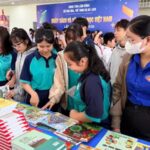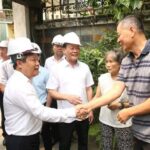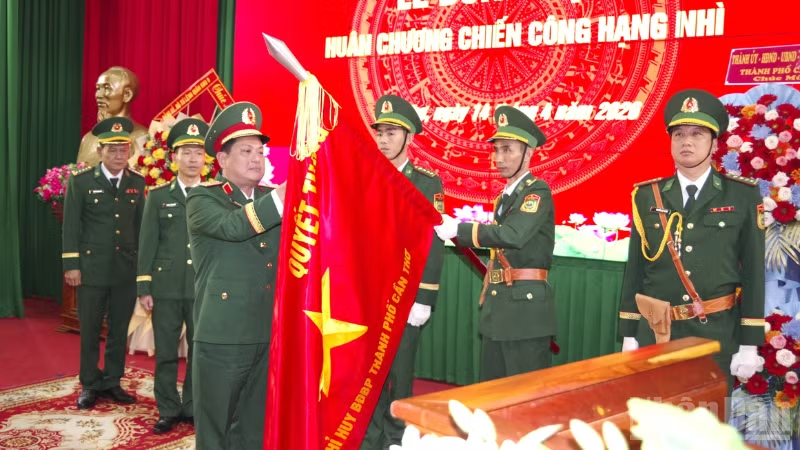
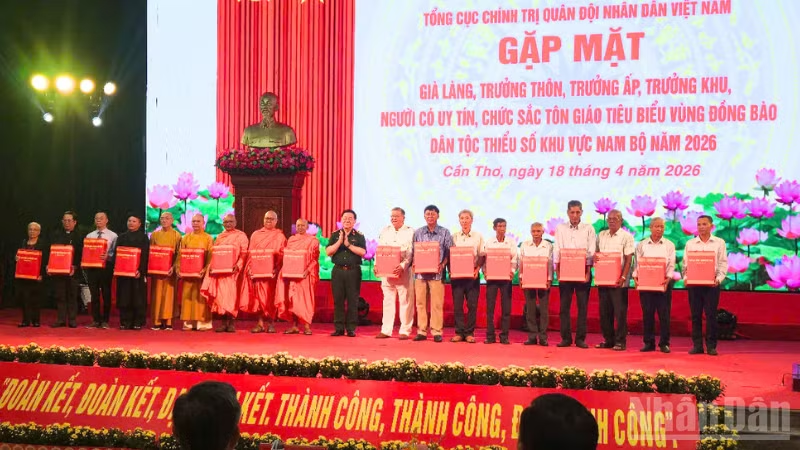
In a morning meeting, the Senior General, Member of the Politburo, Secretary of the Party Central Committee, Member of the Central Military Commission Standing Committee, and Director of the General Political Department of the Vietnam People’s Army, met with village elders, village heads, hamlet heads, zone heads, and respected religious dignitaries representing ethnic minority communities in the Southern region.
Over the past five years, thoroughly grasping and strictly implementing the leadership and direction of the Central Military Commission, the Ministry of National Defense, and the General Political Department, agencies and units across the military have effectively coordinated to promote the role of village elders, village heads, hamlet heads, zone heads, and respected religious dignitaries in the Southern region in the cause of building and defending the socialist Vietnamese Fatherland.
Agencies and units proactively coordinated with local party committees, authorities, departments, sectors, and mass organizations to effectively carry out propaganda and mobilization work among village elders, village heads, hamlet heads, zone heads, and respected religious dignitaries in the area through various rich contents and forms, such as: “Military-Civilian Unity” conferences; visits and gift-giving on holidays, Tet, major political events, festivals of ethnic groups, and important religious ceremonies (Christmas, Chol Chnam Thmay, Buddha’s Birthday, Vu Lan, Dieu Tri Cung Festival…); timely commendation of exemplary collectives and individuals; meetings to honor individuals with significant contributions to military and defense work.
Units stationed in the Southern region coordinated to organize 98 training courses on national defense and security knowledge for 10,579 participants; 125 meetings to commend and honor 3,300 exemplary village elders, village heads, hamlet heads, zone heads, and respected religious dignitaries.
In coordination with local party committees and authorities, they promoted the role of village elders, village heads, hamlet heads, zone heads, and respected religious dignitaries to organize 1,441 concentrated propaganda sessions, with over 163,200 attendees; contributing to raising awareness, consolidating trust and affection of ethnic minority and religious compatriots towards the Party, State, and Army.
Through activities, they directly participated in mediating over 4,500 disputes, persuading nearly 600 violators, contributing to resolving over 1,200 security and order incidents, and providing thousands of important information sources helping functional agencies promptly prevent illegal religious propagation, border crossing enticement, and opposition to the government, contributing to stabilizing security and order at the grassroots level.
Simultaneously, they actively participated in people’s meetings, reflected thoughts, aspirations, and proposed solutions for economic, socio-cultural development, new rural construction, sustainable poverty reduction, building grassroots political systems, and developing and introducing outstanding members to the Party.
The meeting was also an opportunity to promptly encourage and commend exemplary village elders, village heads, hamlet heads, zone heads, and respected religious dignitaries from ethnic minority communities in the Southern and Northern regions who have made many contributions to the cause of building and defending the Fatherland.
Thereby, continuing to promote their role in propaganda and mobilizing the people to implement the Party’s guidelines and policies, and the State’s laws and policies, raising vigilance, and struggling to defeat the “peaceful evolution” plots and schemes of hostile forces; contributing to effectively implementing ethnic, religious, and mass mobilization work of the Army in the new situation.
Speaking at the meeting, the Senior General affirmed that the Vietnam People’s Army always deeply recognizes that in the country’s general victories, there are particularly important contributions from the compatriots of the Southern ethnic groups, notably the role of village elders, village heads, hamlet heads, zone heads, and respected religious dignitaries – the “spiritual pillars” of villages, hamlets, and congregations, the “bridge connecting the Party’s will with the people’s hearts,” and “living landmarks” in building the all-people national defense posture linked with the people’s security posture.
<div class="my-4 p-4 rounded