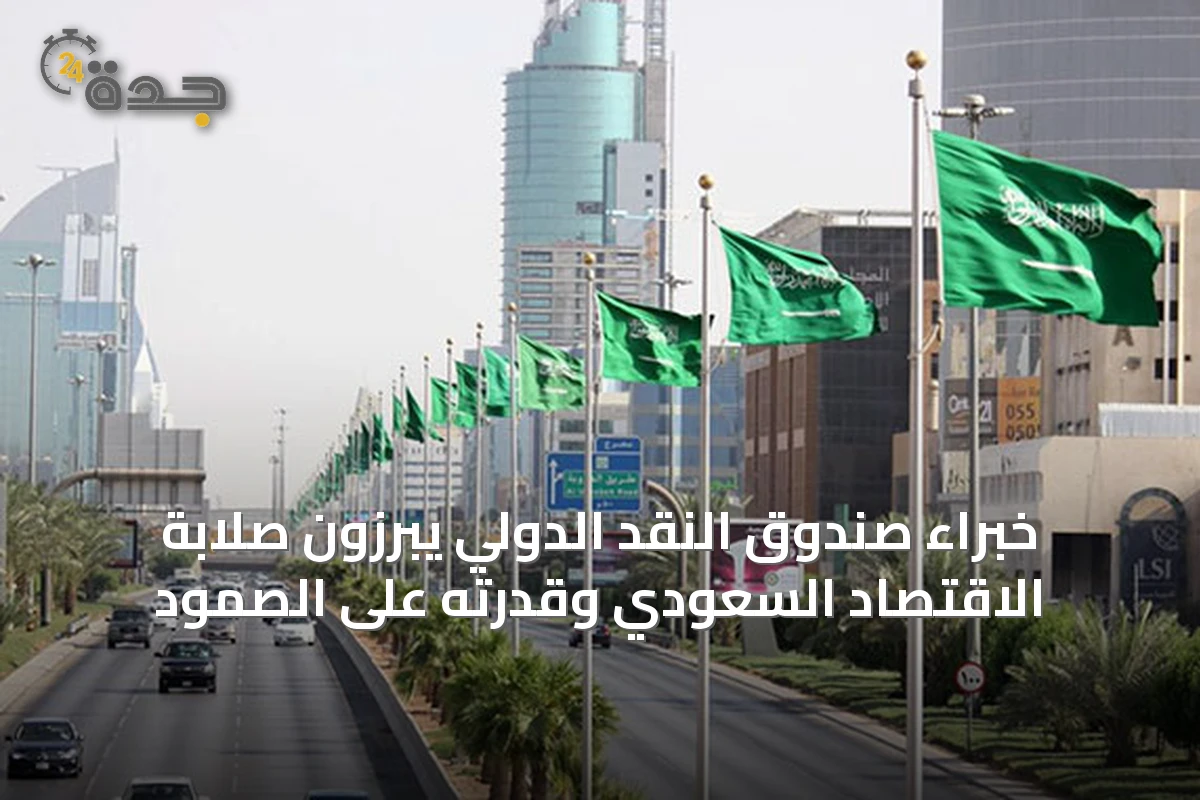
The Ministry of Finance welcomed the press release issued by IMF experts following the conclusion of the 2026 Article IV consultation discussions, affirming that the document highlighted the strength of the Saudi economy and its ability to withstand current regional developments. Officials praised that this strength is based on solid economic fundamentals, availability of reserves, diversification of oil and logistics infrastructure, along with ongoing reforms within the framework of Saudi Vision 2030.
Remarkable growth at the start of 2026
The experts stated that the Saudi economy experienced strong momentum at the beginning of 2026, following a growth rate of 4.5% in GDP for 2025. This growth was supported by the end of agreed production cuts under the OPEC+ framework and the continued activity of non-oil sectors due to strong domestic demand. The experts also noted the continuation of positive indicators in the labor market and a slowdown in inflation to below 2%.
Impact of geopolitical developments and adaptation measures
The statement indicated that regional geopolitical developments, along with associated disruptions in navigation and shipping, had an impact on the economy. However, Saudi Arabia demonstrated adaptability and flexibility, supported by government efforts to facilitate the adjustment of shipping routes and reduce logistical bottlenecks, which helped maintain the continuity of economic activity.
Strong safety margins due to solid foundations
IMF experts confirmed that the Saudi economy enjoys solid safety margins due to low levels of government debt, abundant reserves, the strong financial position of the Public Investment Fund, and the resilience of the banking sector. These factors enhanced the Kingdom’s ability to absorb shocks and maintain overall economic and financial stability.
Government efforts to enhance sustainability and reprioritize
The statement noted that the government is working to contain the economic impact of regional developments by reprioritizing spending and continuing medium-term fiscal sustainability efforts. These efforts support sustainable growth and enhance the economy’s resilience, while also contributing to economic diversification and private sector growth.
The experts also reviewed the reform trajectory launched under Vision 2030, noting that these reforms have contributed over the past years to improving governance, enhancing policy-making, increasing economic flexibility, and supporting economic diversification, which has positively reflected on non-oil performance.
They welcomed the update of the Public Investment Fund strategy for the period 2026‑2030, considering that this would contribute to efficient capital allocation, attracting more private sector institutions, improving the business environment, deepening capital markets, and supporting small and medium enterprises.
Strength of the financial sector and central bank support
The experts praised the strength of the financial sector in the Kingdom, highlighting the robust capital and liquidity reserves of banks and their ability to withstand shocks. They also welcomed the efforts of the Saudi Central Bank in intensifying monitoring of liquidity, credit, and asset quality conditions, and continuing precautionary measures that support the stability of the banking sector.