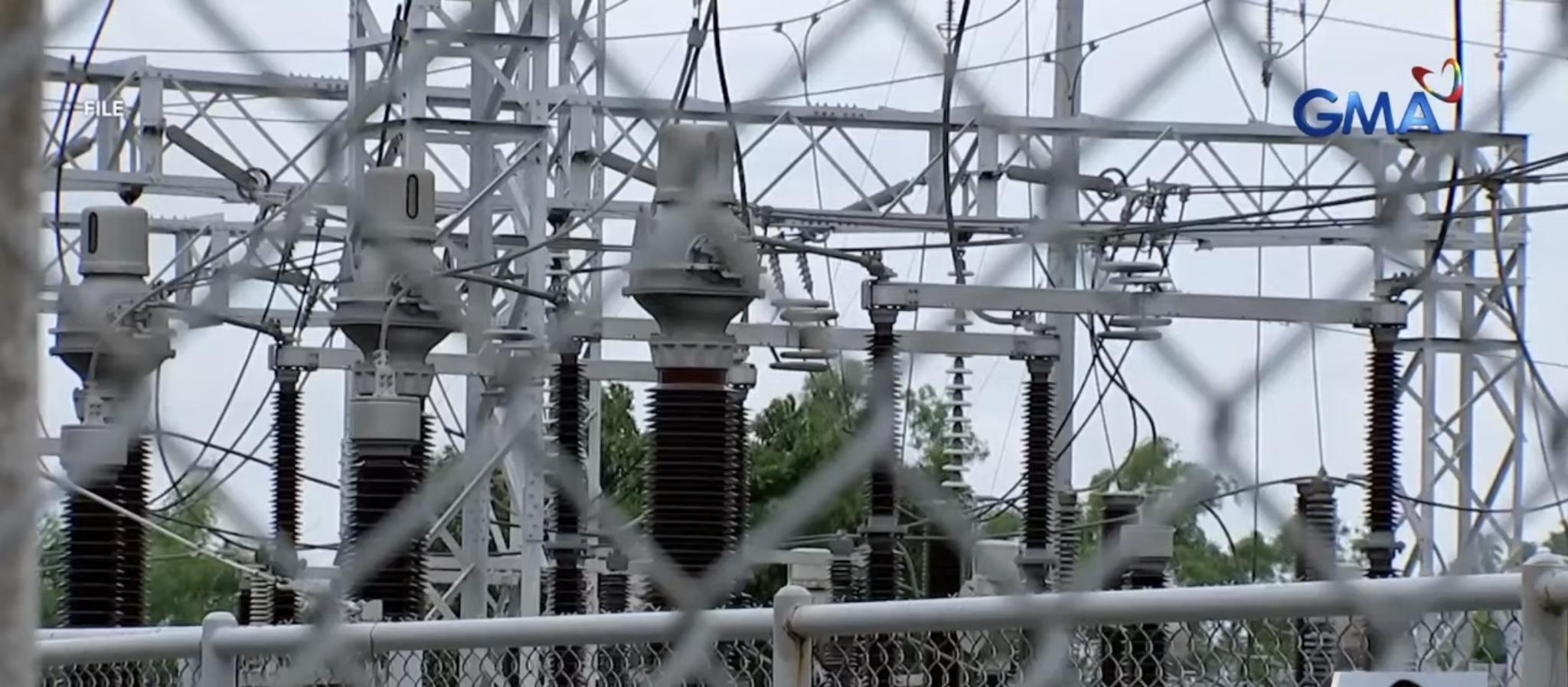
The available capacity is 2,682 MW but peak demand is at 2,415 MW, the NGCP said in an advisory issued at 8 a.m.
“A yellow alert is issued when the operating margin is insufficient to meet the transmission grid’s contingency requirement,” it added.
READ:
According to the NGCP, some power plants are on forced outage while others are running below maximum rated capacity.
“12 plants are on forced outage since May 2026, 1 plant since March 2026, 3 plants since 2025, 2 plants since 2024, 2 plants since 2023, and 1 plant since 2021, while 12 plants are running on derated capacities, for a total of 858.15 MW unavailable to the grid,” it said.
The company also said the unavailability of large coal plants TVI 1, TVI 2, and PEDC 3 in Visayas and the high system demand forecast were factors that led to the declaration of a yellow alert.
Visayas Grid
The “Visayas Grid” is not a single cultural site or place, but rather a term that can refer to the interconnected electrical power grid serving the Visayas region of the Philippines. Its history involves the gradual interconnection of separate island grids, starting with the linking of Cebu, Leyte, and Negros, which helped stabilize power supply and support economic development. This system is a key part of the country’s energy infrastructure, enabling the transmission of electricity across the central Philippine islands.
Visayas
The Visayas is a central group of islands in the Philippines, known for its rich history as the site where Portuguese explorer Ferdinand Magellan first arrived in 1521, marking the beginning of Spanish colonization. The region was a major center of pre-colonial trade and later became a key battleground during the Philippine Revolution and World War II. Today, it is celebrated for its vibrant cultural festivals, such as the Sinulog in Cebu and the Ati-Atihan in Aklan, as well as its stunning beaches and historical landmarks.