Filtered by: Topstories
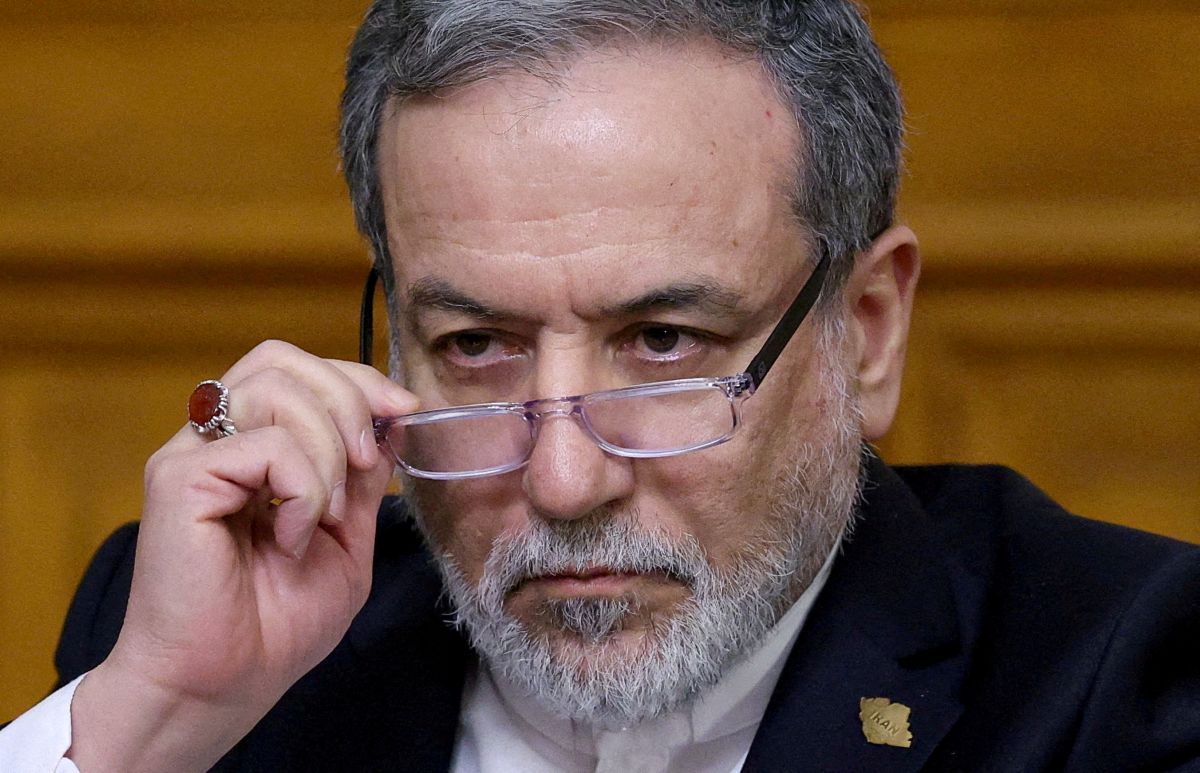
ISLAMABAD/WASHINGTON – Iranian Foreign Minister Abbas Araqchi arrived in the Pakistani capital Islamabad on Friday to discuss proposals for restarting peace talks with the US, offering some hope for an end to the eight-week war that has killed thousands and sown turmoil in global markets.
US President Donald Trump told Reuters on Friday that Iran plans to make an offer aimed at satisfying US demands, but said he did not yet know what the offer entailed.
When asked who the US was negotiating with, Trump said: “I don’t want to say that, but we’re dealing with the people that are in charge now.”
But Iran’s foreign ministry spokesperson said on X that Iranian officials did not plan to meet with US representatives, even though US special envoys Steve Witkoff and Jared Kushner planned to travel to Islamabad. Iran’s concerns would be conveyed to Pakistan, the spokesperson said.
After a US bombing campaign and Iran’s blocking of the strategic Strait of Hormuz, the two countries are at a costly impasse, with Iran’s oil exports blocked and US gasoline prices at multi-year highs.
Speaking before the Iranian foreign ministry’s statement, White House press secretary Karoline Leavitt said Witkoff and Kushner would leave for Pakistan on Saturday morning for talks with Araqchi.
Leavitt struck an upbeat tone, saying the US had seen some progress from the Iranian side in recent days and hoped more would come this weekend.
She added that US Vice President JD Vance, who earlier this month led a first round of unsuccessful talks with Iran to end their war, is ready to travel to Pakistan as well.
The White House did not immediately respond to a request for comment on the Iranian statement.
Pakistani sources said earlier that a US logistics and security team was already in place in Islamabad for potential talks.
Pakistan’s foreign ministry confirmed Araqchi’s arrival in Islamabad, where a heavy military and paramilitary presence was visible across the central parts of the city.
Araqchi went straight into a meeting with Pakistani Foreign Minister Ishaq Dar at the Serena Hotel, where the first round of talks with the US was held, two government sources said.
Qatar’s Emir Sheikh Tamim bin Hamad Al Thani pledged his country’s support for mediation efforts by Pakistan in a phone call with Trump, Qatar’s state news agency reported.
Araqchi wrote on X that he was visiting Pakistan, Oman and Russia to coordinate with partners on bilateral matters and consult on regional developments. The tour will include consultations on the latest efforts to end the war, Iran’s Foreign Ministry spokesperson later told state media.
US Defense Secretary Pete Hegseth told a briefing earlier on Friday that Iran had a chance to make a “good deal” with the United States.
“Iran knows that they still have an open window to choose wisely,” he said. “All they have to do is abandon a nuclear weapon in meaningful and verifiable ways.”
The last round of peace talks had been expected to resume on Tuesday but never took place, with Iran saying it was not yet ready to commit to attending and a US delegation led by Vance never leaving Washington.
Trump unilaterally extended a two-week ceasefire on Tuesday to allow more time to reconvene the negotiators.
Oil prices remained volatile on Friday, as traders weighed potential disruption from the worst oil shock in history amid the prospect for further talks.
Brent crude futures LCOc1 settled at $105.33 a barrel, about 0.3% higher, while US West Texas Intermediate futures CLc1 were down 1% at $94.88.
Hezbollah dismisses Lebanon ceasefire extension
On Thursday, Israel and Lebanon extended a separate ceasefire for three weeks at a White House meeting brokered by Trump.
The war in Lebanon, which Israel invaded last month to root out Iran’s Hezbollah allies after the militant group fired across the border, has run in parallel with the wider Iran war, and Tehran says a ceasefire there is a precondition for talks.
There was little sign of an end to the fighting in southern Lebanon. Lebanese