Ebola outbreak in Congo and Uganda declared a global public health emergency by WHO.
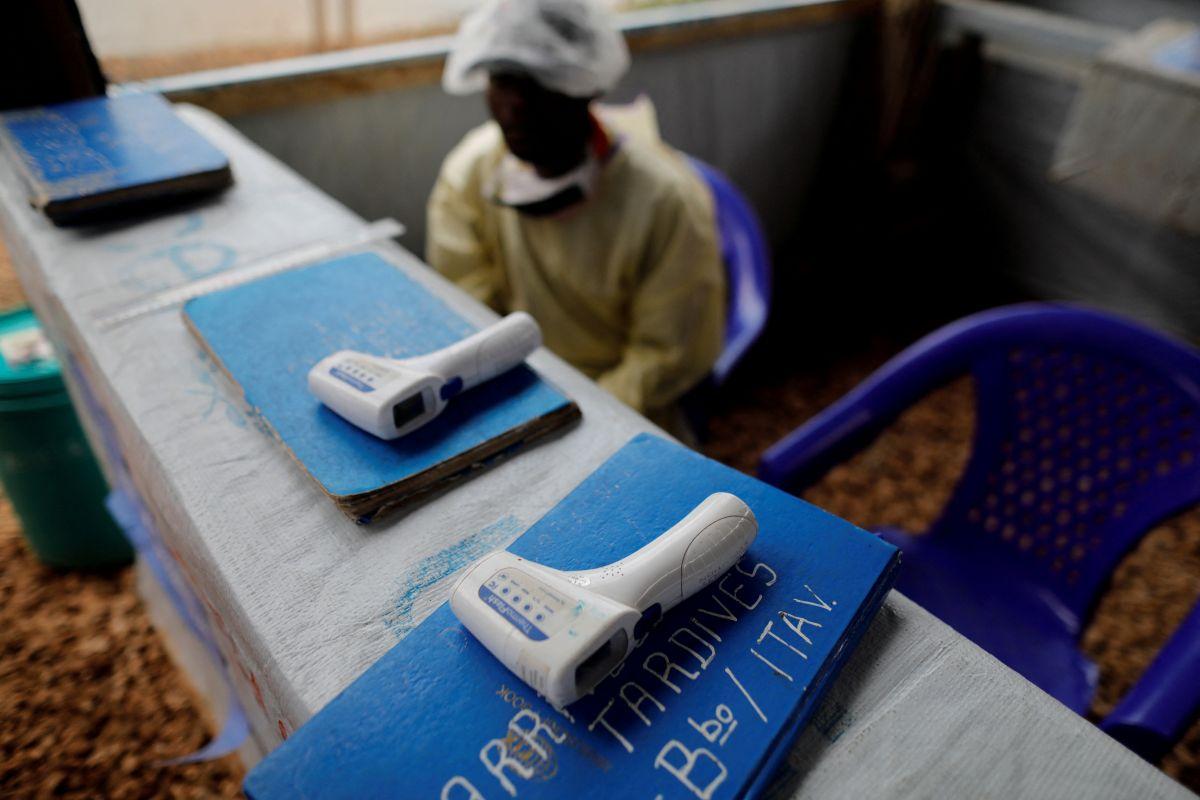
The World Health Organization on Sunday declared an Ebola outbreak in the Democratic Republic of Congo and Uganda a “public health emergency of international concern”.
The WHO said the outbreak, caused by the Bundibugyo virus, does not meet the criteria of a pandemic emergency.
The UN health agency said in a statement that 80 suspected deaths, eight laboratory-confirmed cases and 246 suspected cases had been reported as of Saturday in DRC’s Ituri province across at least three health zones, including Bunia, Rwampara and Mongbwalu.
The DRC health ministry had said on Friday that 80 people had died in the new outbreak in the eastern province.
In Uganda’s capital, Kampala, two apparently unrelated laboratory-confirmed cases, including one death, were reported on Friday and Saturday, from people travelling from the DRC, the WHO said.
A laboratory-confirmed case was also reported in the DRC capital, Kinshasa, from a person returning from Ituri, the WHO said.
Butembo
Butembo is a city in the eastern Democratic Republic of the Congo, known as a major commercial hub for the region, particularly for trade in coffee, tea, and gold. Historically, it grew as a center for the Nande people and experienced significant development during the colonial era, later becoming a focal point for humanitarian and economic activities amid regional conflicts. The city is also notable for its proximity to the Virunga National Park and its role in the response to outbreaks of Ebola and other health crises.
Kampala
Kampala is the capital and largest city of Uganda, originally developed on seven hills near Lake Victoria. It grew from the capital of the Buganda kingdom in the 19th century into a major commercial and administrative hub under British colonial rule and after independence. Today, it is a vibrant, bustling city blending modern development with traditional culture and historical landmarks.
Kinshasa
Kinshasa is the capital and largest city of the Democratic Republic of the Congo, located on the banks of the Congo River. Originally a fishing and trading village, it was established as a colonial outpost by Henry Morton Stanley in 1881 under the name Léopoldville, before being renamed Kinshasa in 1966. Today, it is a bustling, rapidly growing metropolis known for its vibrant music and arts scene, standing directly across the river from its sister city, Brazzaville.
Bunia
Bunia is a city in the Ituri Province of the Democratic Republic of the Congo, located near Lake Albert. Historically, it has been a significant commercial and administrative center, but it gained international attention during the Second Congo War (1998–2003) and the subsequent Ituri conflict, which involved severe ethnic violence between the Hema and Lendu communities. Despite ongoing challenges, Bunia remains a key hub for trade and humanitarian efforts in the region.
Rwampara
Rwampara is a historical and cultural site located in southwestern Uganda, known for its significance to the Ankole kingdom. It served as a traditional royal enclosure and burial ground for the Bahinda dynasty, housing the tombs of several former kings (Omugabe). The site reflects the rich cultural heritage and pre-colonial governance systems of the Ankole people, offering insight into their royal traditions and spiritual beliefs.
Mongbwalu
Mongbwalu is a town in the Ituri Province of the Democratic Republic of the Congo, historically significant for its rich gold deposits that attracted colonial exploitation and later fueled conflict during the Second Congo War and the Ituri conflict in the early 2000s. The area has experienced cycles of violence and control by various armed groups and mining operations, profoundly impacting the local population and environment. Today, while gold mining continues, Mongbwalu remains a site of ongoing challenges related to post-conflict recovery and resource management.
Ituri
The Ituri region is a dense rainforest area in northeastern Democratic Republic of the Congo, famously inhabited by the Mbuti (Pygmy) people, who have lived there for thousands of years as hunter-gatherers. Historically, it was part of the Congo Free State under King Leopold II, where brutal rubber extraction occurred in the late 19th and early 20th centuries. Today, the Ituri Forest is known for its rich biodiversity and ongoing conflicts over land and resources.