Sabratha is an ancient city on the Mediterranean coast of modern-day Libya, renowned for its well-preserved Roman ruins. Originally a Phoenician trading post, it flourished under Roman rule and was part of the short-lived Roman province of Africa. Its
Tripoli
Tripoli, the capital of Libya, is a historic port city on the Mediterranean coast with origins dating back to the 7th century BCE, when it was founded by the Phoenicians as Oea. It later flourished under Roman, Byzantine, and Islamic rule, and was known as one of the “Three Cities” (the meaning of its Greek name) along with Sabratha and Leptis Magna. Today, Tripoli blends ancient landmarks like the Arch of Marcus Aurelius with a vibrant modern atmosphere, reflecting its rich and layered history.
Sabratha
Sabratha is an ancient Roman city located in northwestern Libya, known for its remarkably well-preserved Roman theater and coastal ruins. Originally a Phoenician trading post, it flourished under Roman rule from the 2nd to 3rd centuries AD as part of the Tripolitania region. The site, now a UNESCO World Heritage Site, was heavily damaged by earthquakes in the 4th century and later abandoned, though its theater was partially reconstructed in the early 20th century.
Leptis Magna
Leptis Magna was a prominent city of the Roman Empire, located in present-day Libya, which flourished as a major trading and cultural hub. Originally a Phoenician settlement, it reached its peak under Emperor Septimius Severus (born there in the 2nd century AD), who adorned it with grand public buildings, baths, and a forum. Today, its remarkably well-preserved ruins are a UNESCO World Heritage site, offering a vivid glimpse into Roman urban life.
Libya
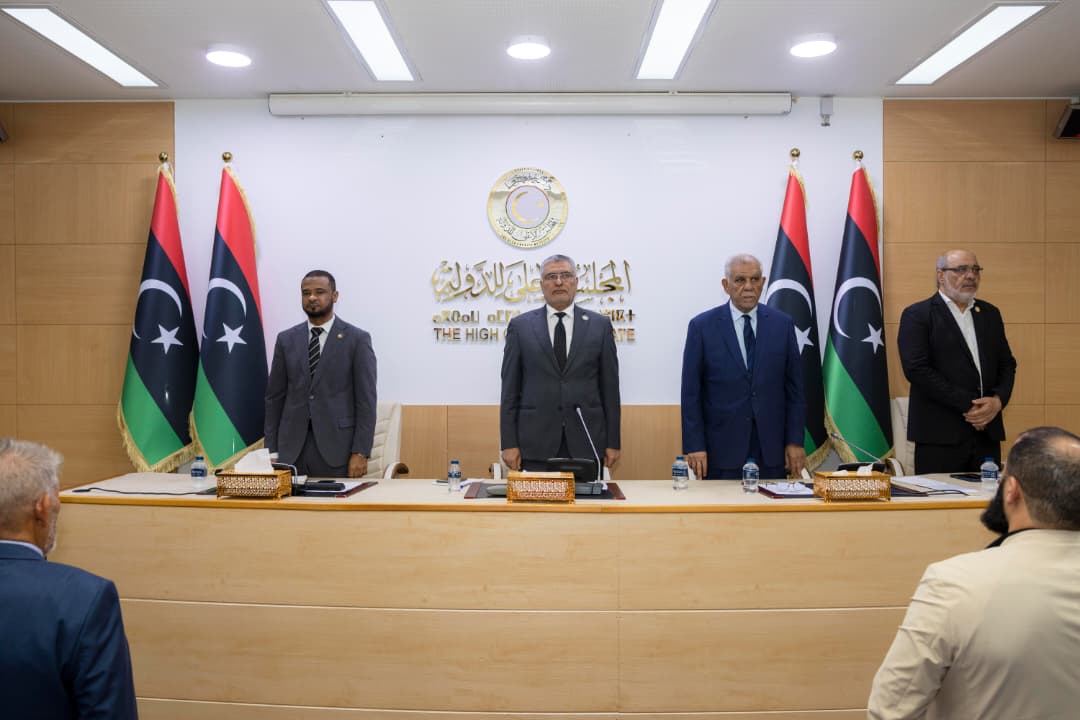
Libya is a North African country with a rich history shaped by ancient civilizations, including the Phoenicians, Greeks, Romans, and Ottomans. It is home to five UNESCO World Heritage sites, such as the Roman ruins of Leptis Magna and the Greek city of Cyrene. In modern times, Libya gained independence in 1951 and experienced decades of political turmoil, including the 2011 revolution that ended Muammar Gaddafi’s rule.
National Council for U.S.-Libya Relations
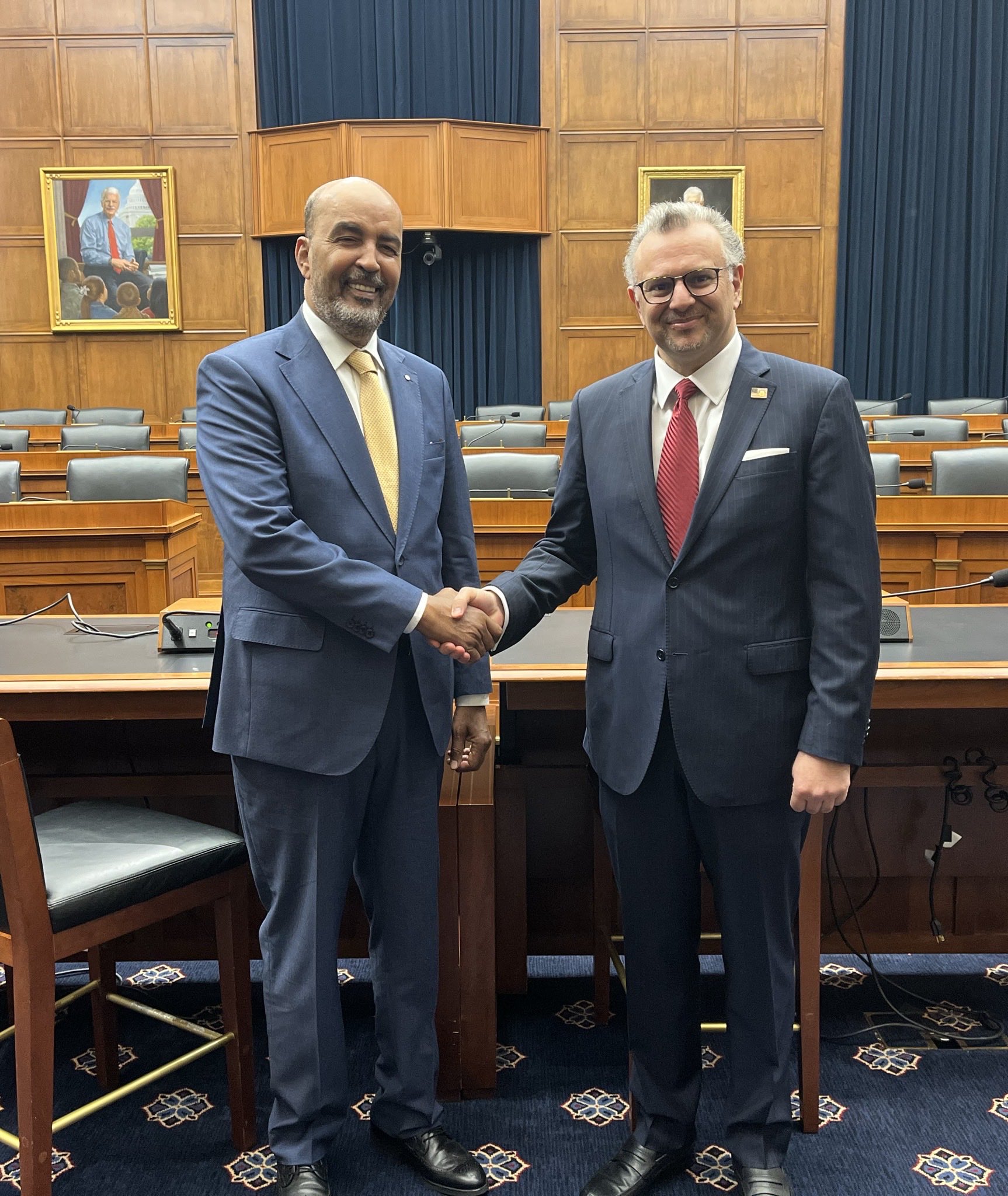
The National Council for U.S.-Libya Relations is a non-profit organization dedicated to strengthening diplomatic, economic, and cultural ties between the United States and Libya. Founded in 2017, it seeks to foster mutual understanding and cooperation, particularly following the 2011 Libyan revolution and the subsequent period of instability. The council works to bridge gaps between the two nations through dialogue, trade initiatives, and advocacy for peaceful resolution of conflicts.
Tadrart Acacus
Tadrart Acacus is a mountain range in the Sahara Desert of southwestern Libya, renowned for its stunning rock art and prehistoric archaeological sites. The area contains thousands of cave paintings and engravings dating from around 12,000 BCE to 100 CE, depicting changing climates, wildlife, and human lifestyles from hunter-gatherer to pastoralist societies. Recognized as a UNESCO World Heritage Site, it provides invaluable insight into the early human history of the Sahara.
Roman Empire
The Roman Empire was one of the most powerful and influential civilizations in history, lasting from 27 BCE to 476 CE in the West. It began as a republic before transitioning into an imperial state under Augustus, expanding across Europe, North Africa, and the Middle East. Its legacy includes enduring contributions to law, language, engineering, and governance that continue to shape modern society.
United States
The United States is a vast country in North America, founded in 1776 after the original thirteen colonies declared independence from British rule. Its history is marked by territorial expansion, the Civil War over slavery, and waves of immigration that shaped its diverse culture. Today, it is known for its influential role in global politics, economy, and iconic landmarks like the Statue of Liberty and the Grand Canyon.