Tripoli, June 4, 2026 – The recurring sight of long queues at gas stations in various Libyan cities and regions has become a source of psychological exhaustion for citizens, affecting productivity, time, and mobility, despite Libya being one of the African countries with the largest crude oil reserves.
In a paradox that baffles both citizens and observers alike, the country has for decades continued to import large quantities of gasoline and diesel to meet local market needs, while exporting millions of barrels of crude oil to global markets.
In recent years, the fuel shortage crisis has become part of daily life in Libya, with supply bottlenecks recurring nearly twice a month in some areas and supply cuts lasting weeks or even months in others, especially in the northwest of the country and the south (along smuggling routes). This leads to severe congestion at distribution stations and queues stretching hundreds of meters, amid public discontent and questions about the persistence of the crisis in a country whose economy is primarily based on oil.
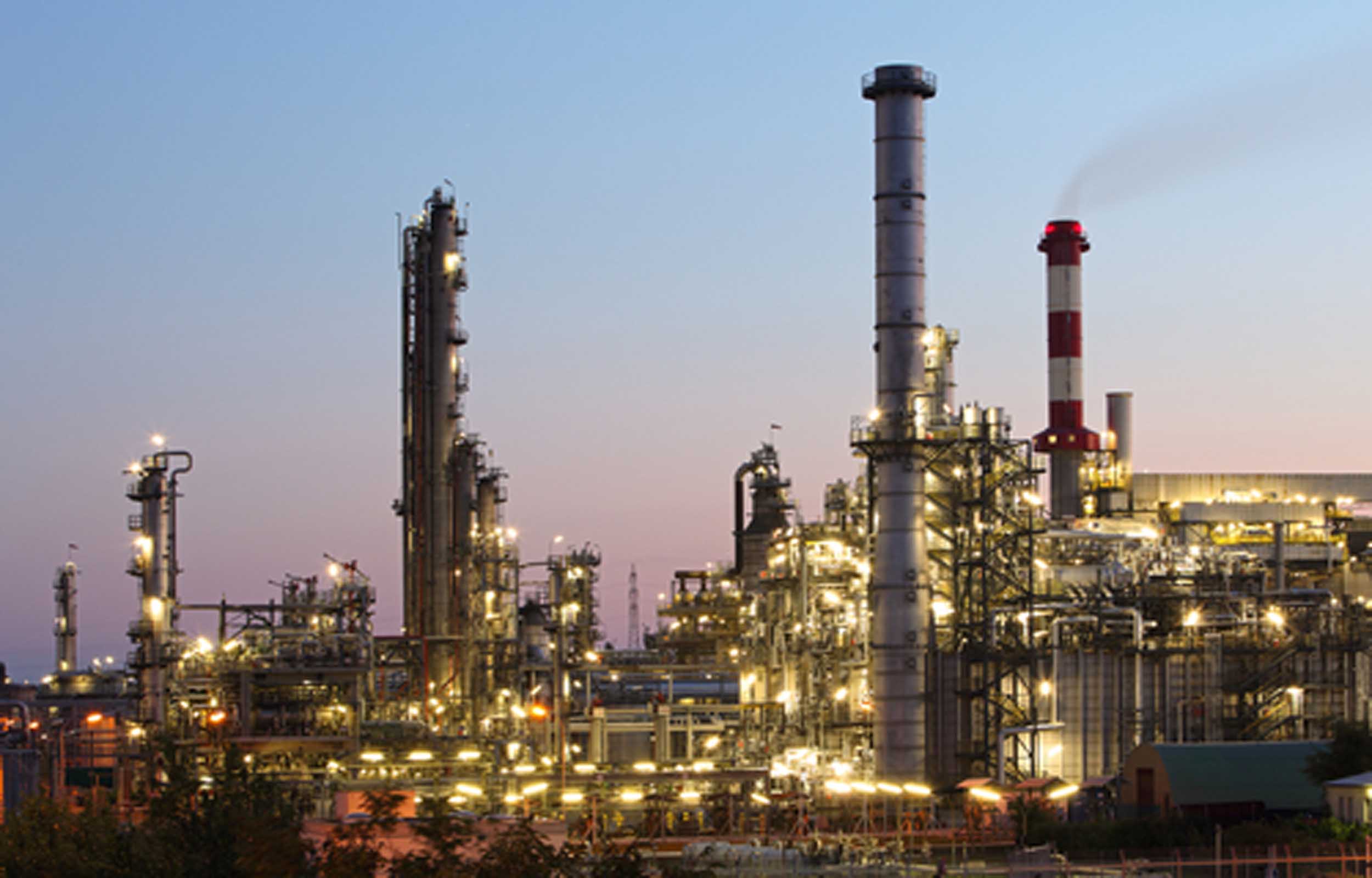
Energy sector experts believe the problem lies not in a shortage of crude oil, but in limited domestic refining capacity. Current Libyan refineries were built decades ago, and some operate below their design capacity due to the need for ongoing maintenance and upgrades. Additionally, part of the refining infrastructure has suffered damage or repeated shutdowns in recent years due to the security and political conditions the country has experienced.
Libya relies heavily on a limited number of refineries to meet growing domestic fuel demand. However, local production is insufficient to satisfy market needs, forcing the country to resort to imports to bridge the gap. This results in significant financial drains on the public treasury, even though the country possesses the raw resources needed to produce these derivatives locally.
Libyan oil expert Mohamed Mustafa bin Ziyada confirmed that the fuel crisis in Libya is directly linked to the issue of energy security, which fundamentally relies on ensuring a continuous, adequate supply of energy at stable prices. He warned that any disruption in fuel availability or an increase in its cost negatively impacts the economy and national security.
Bin Ziyada explained that providing petroleum derivatives to the local market is one of the most important pillars of energy security in Libya, including cooking gas, gasoline, kerosene, diesel, and fuel oil. Although Libya is a producer and exporter of crude oil, it still depends on importing the majority of its needs for gasoline, diesel, and cooking gas due to the limited refining capacity of local refineries and their inability to meet growing market demand.
He pointed out that this situation poses a constant threat to national energy security because securing these derivatives remains tied to external factors over which the state does not have full control. This makes addressing this imbalance a top priority for political and economic decision-makers.
Bin Ziyada noted that countries typically resort to two main options to enhance their energy security: first, building and developing refineries to process oil locally, and second, building strategic storage capacities to ensure supply continuity during disruptions in global supply chains.
He added that Libya suffers from a deficiency in both areas. Current refining capacity is insufficient, and the country has lost a large part of its storage capacity due to events in recent years, which explains the repeated fuel crises and distribution bottlenecks whenever an emergency occurs.
The oil expert pointed out that the Libyan oil sector recognized early on the importance of developing refineries. Plans and studies for upgrading the Ras Lanuf and Zawiya refineries were prepared years ago, along with projects to build the Zuwara refinery and a southern refinery near Ubari, as well as plans to develop the Tobruk refinery. However, most of these projects did not come to fruition due to a range of obstacles, including international sanctions imposed on Libya during the 1990s, financing difficulties, weak government support for strategic projects, and the repercussions of political division and security conditions following 2011.
Bin Ziyada considered the Ras Lanuf refinery development project a clear example of the challenges facing the sector. He noted that the partnership project launched to develop the refinery did not achieve its goals due to poor selection of the investment partner, contractual disputes, and the political and security developments the country witnessed.
He emphasized that developing Libya’s refining sector requires massive investments and a long-term implementation plan commensurate with available financial resources, along with the need to provide a safe and stable environment to ensure the success and sustainability of these projects.
He also stressed the importance of prioritizing projects with high economic viability, explaining that building a large refinery with high refining capacity may be more feasible than expanding the construction of small and medium refineries.