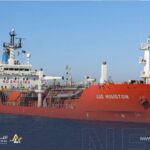
London — According to reports, traders in the options markets are heavily buying oil options contracts, betting that the price of Brent crude will rise to a record high of at least $150 per barrel by the end of April, as the war in the Middle East continues to choke supplies through the Strait of Hormuz.
The price of Brent crude for May delivery, currently trading at around $107 per barrel, has risen by nearly 50 percent since February 28, when the American-Israeli war on Iran effectively began obstructing the passage of oil through the Strait of Hormuz.
Prices remain volatile despite initial indications that Washington and Tehran are seeking a way to end the conflict.
London
London is the capital city of the United Kingdom, founded as a Roman settlement called Londinium nearly 2,000 years ago. It has since grown into a major global metropolis, historically serving as the centre of the British Empire and now renowned for landmarks like the Tower of London, Buckingham Palace, and its world-class museums.
Strait of Hormuz
The Strait of Hormuz is a strategically vital maritime chokepoint connecting the Persian Gulf with the Gulf of Oman and the Arabian Sea. Historically, it has been a key trade route for centuries, but in the modern era, its significance is defined by the transit of about one-fifth of the world’s oil supply. This has made it a focal point of geopolitical tensions and international security concerns for decades.
Washington
Washington, D.C., the capital of the United States, was founded in 1790 as a planned city to serve as the nation’s permanent seat of government. It is home to iconic landmarks like the White House, the U.S. Capitol, and the Washington Monument, which symbolize American democracy and history. The city’s design, influenced by Pierre L’Enfant, reflects its central role in the country’s political and cultural life.
Tehran
Tehran is the capital and largest city of Iran, officially becoming the national capital in 1796 under the Qajar dynasty. Today, it is a sprawling metropolis that serves as the country’s political, economic, and cultural heart, home to significant modern landmarks and historical sites like the Golestan Palace, a UNESCO World Heritage site from the 19th century.