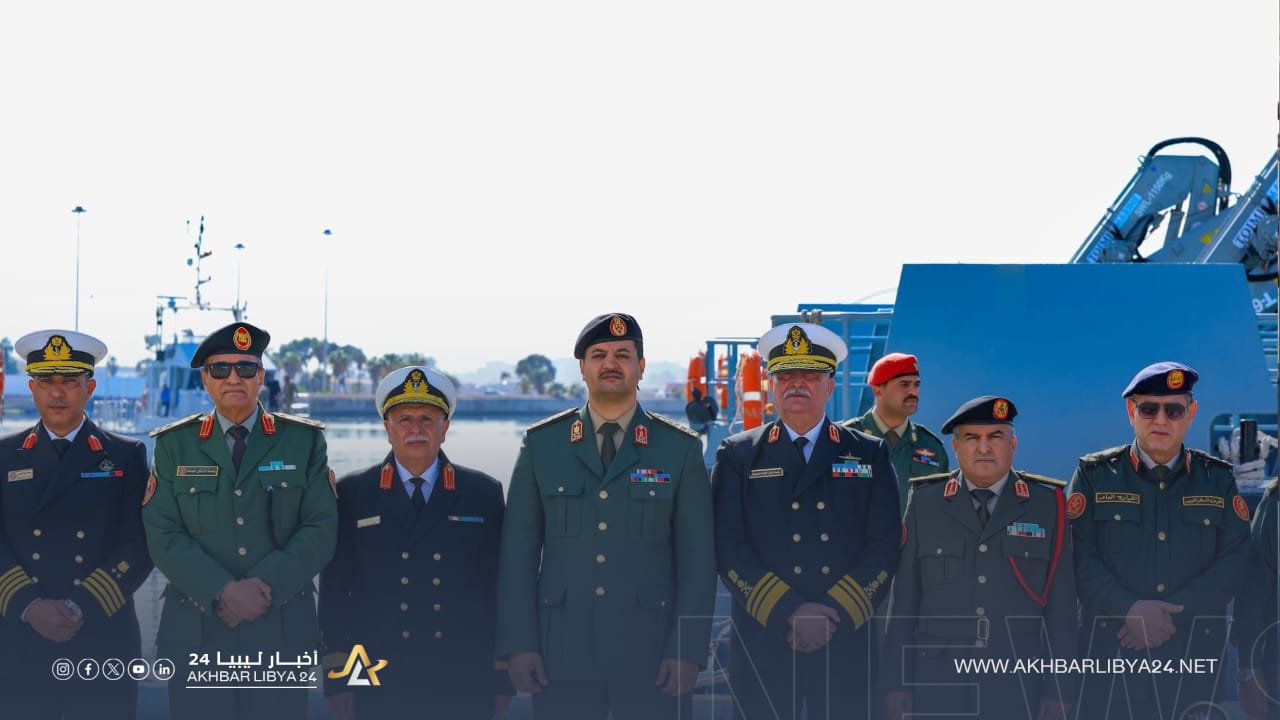
An official ceremony was held for the addition of four new fast vessels to the search and rescue system of the Libyan Naval Forces, following the raising of the Libyan flag on them, marking the start of their active service. These vessels are named: Al-Rajmah, Benina, Karsah, and Al-Aqilah. They were designed to enhance rapid response capabilities in various maritime missions, particularly rescue and safety operations and coastal security.
-
4 new vessels join the naval forces
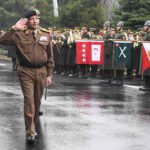
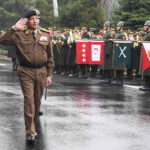
This step coincided with an inspection visit to the Benghazi naval base. During the visit, the progress of work within the base’s facilities and the level of technical and human readiness were reviewed.
-
The vessels joined during a visit to the base
A meeting was also held with the Chief of Staff of the Naval Forces, during which the needs of the naval forces and plans to develop their operational capabilities were discussed.
A tour of the base was conducted, including maintenance workshops, training centers, and operations rooms, before moving to an expanded meeting with officers and commanders of the naval bases. A comprehensive presentation was given on the status of the naval forces and their vital role in protecting the coasts and confronting increasing security challenges at sea.
-
Praise for the pivotal role played by the naval forces
Praise was given for the pivotal role played by the naval forces since the launch of the Dignity Operation, emphasizing that their tasks have gone beyond direct defense to include contributing to regional maritime security, international cooperation in combating smuggling and illegal immigration, in addition to the humanitarian role in search and rescue operations.
It was also stressed that the addition of these new vessels represents an important enhancement to Libya’s maritime presence and elevates the armed forces’ ability to protect the state’s interests and secure its territorial waters.