
Recent Comments
-
I posted the other day, but according to the JR announcement article from December 12th, starting March 14th next year, the Nozomi stopping at Shin-Yokohama Station…
-
I actually went and experienced the kind of history that exists right here. In the past, the timetable (the National Railways timetable, and after privatization, the JTB and Kōsai…
-
In the old days (around 1964 to 1965), it took about 5 hours from Shin-Yokohama Station to Shin-Osaka Station with one Kodama train per hour…
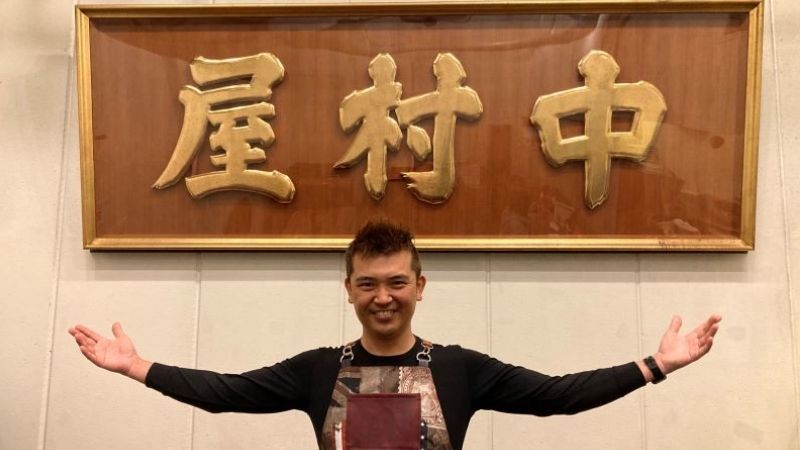
Men-dokoro Nakamuraya Ebina
Men-dokoro Nakamuraya Ebina is a historic Japanese restaurant located in Ebina, Kanagawa Prefecture, established in 1910. It is renowned for its traditional *soba* (buckwheat noodles) and *unagi* (eel) dishes, having served the local community for over a century. The restaurant preserves a classic Showa-era atmosphere, offering a taste of both regional culinary heritage and Japan’s enduring dining traditions.
Sky Drop
“Sky Drop” is not a widely recognized historical or cultural site. It may refer to a modern amusement ride, like a drop tower attraction found in theme parks, which has no significant historical background. If you are referring to a specific landmark by that name, please provide additional context for a more accurate summary.
Hamaseiro
“Hamaseiro” is a renowned traditional Japanese restaurant located in Tokyo, famous for its exquisite eel (*unagi*) dishes. Established in 1835 during the Edo period, it has operated for nearly two centuries, preserving its original recipes and cooking methods. It is celebrated as a historic culinary site that offers a direct taste of Japan’s long-standing food culture.
Hamasta
“Hamasta” is not a widely recognized historical or cultural site in major global databases. It may refer to a local place name, possibly a misspelling or a lesser-known location. Without more specific context, it is not possible to provide a verified summary of its history or significance.
JR
“JR” refers to Japan Railways Group, a major railway network in Japan formed in 1987 after the privatization and breakup of the government-owned Japanese National Railways. It consists of six regional passenger companies and one nationwide freight operator, playing a vital role in Japan’s transportation, including its famous high-speed Shinkansen (bullet train) services.
Shin-Yokohama Station
Shin-Yokohama Station is a major railway hub in Yokohama, Japan, which opened in 1964 to serve the new Tōkaidō Shinkansen (bullet train) line. It was strategically built away from the city center to accommodate the high-speed rail line’s need for straighter tracks, and its development spurred the growth of the surrounding Shin-Yokohama district. Today, it is a key transportation gateway and is also known for its proximity to the Shin-Yokohama Ramen Museum.
National Railways
The National Railways, often referring to a country’s state-owned rail network, typically have origins in the 19th century during the industrial revolution, consolidating private lines to create a unified national system for transportation and economic development. For example, Britain’s railways were nationalized in 1948 to form British Railways, while India’s vast network was a crucial colonial and post-independence infrastructure project. Today, such entities often symbolize national identity and engineering heritage, though many have since been privatized or restructured.
Shin-Osaka Station
Shin-Osaka Station is the primary shinkansen (bullet train) terminal in Osaka, Japan, opening in 1964 to coincide with the launch of the Tokaido Shinkansen line. It serves as a major transportation hub connecting western Japan with Tokyo and other regions, though it is located a short subway ride north of the city’s more central stations.