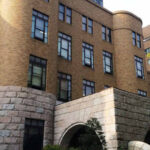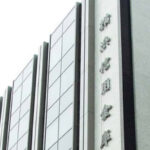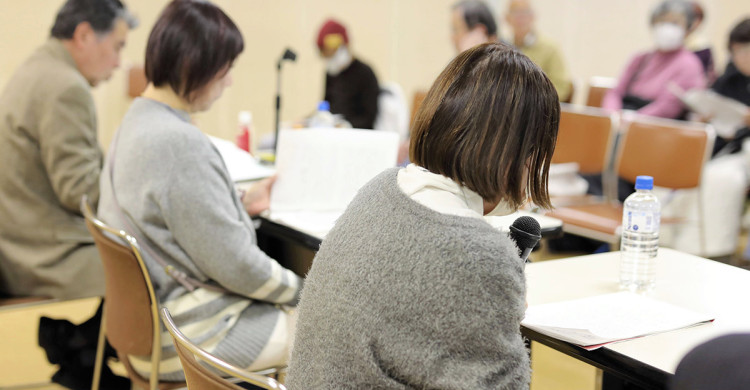
Incidents and accidents involving U.S. military personnel from the U.S. Navy’s Yokosuka Base (Yokosuka City) have been occurring one after another. A meeting to discuss the Japan-U.S. Status of Forces Agreement was held on the 13th at the City Industry Exchange Plaza (Honcho, Yokosuka City). Family members of the victims stated, “Even after the accidents, under the favorable terms of the Status of Forces Agreement for the U.S. military, …”
U.S. Navy’s Yokosuka Base
The U.S. Navy’s Yokosuka Base in Kanagawa Prefecture, Japan, is the largest American naval installation overseas and the strategic homeport for the U.S. Seventh Fleet. Its history dates to 1865 when it was first developed as a shipyard by the Tokugawa shogunate, later becoming a major Imperial Japanese Navy base before being taken over by U.S. forces following World War II. Today, it serves as a key hub for U.S. forward-deployed naval forces and is a central symbol of the U.S.-Japan security alliance.
Yokosuka City
Yokosuka is a coastal city in Kanagawa Prefecture, Japan, historically significant as the location of a major naval base. It developed around the Yokosuka Naval Arsenal, established in the late 19th century, and later became a key base for the Imperial Japanese Navy. Today, it remains a strategic port hosting the U.S. Fleet Activities Yokosuka and is known for its maritime history and the popular “Yokosuka Navy Burger.”
Japan-U.S. Status of Forces Agreement
The Japan-U.S. Status of Forces Agreement (SOFA) is a bilateral treaty that defines the legal status of U.S. military personnel and facilities in Japan. It was established in 1960 alongside the revised U.S.-Japan Security Treaty, replacing an earlier 1952 administrative agreement. The SOFA outlines criminal jurisdiction, customs procedures, and the use of facilities, and it has been a subject of periodic review and local controversy, particularly in Okinawa.
City Industry Exchange Plaza
The City Industry Exchange Plaza is a modern commercial and exhibition complex, typically found in major Chinese cities, designed to foster business collaboration and innovation. While specific historical details vary by location, such plazas generally emerged in the late 20th or early 21st century as part of urban development zones aimed at transitioning local economies towards technology and advanced services. They serve as hubs for conferences, trade shows, and corporate exchanges, symbolizing a region’s shift from traditional manufacturing to a knowledge-based industrial future.
Honcho
“Honcho” is a common Japanese term (本町) meaning “main town” or “central district,” often found as a place name in many Japanese cities, historically referring to a primary merchant or administrative area during the Edo period. For example, Nihonbashi Honcho in Tokyo has been a central commercial hub since the 17th century. Therefore, without a specific location context, “Honcho” generally denotes a historic downtown district in Japan.