The Kirin Beer Yokohama Factory (1 Ikegami, Tsurumi Ward, Yokohama), which marks the 100th anniversary of its relocation to Namamugi, Yokohama, partially renewed its tour facilities starting April 18. A gratitude festival for Yokohama residents and the production of a limited-edition commemorative beer are also planned.
The factory was founded in 1885 in Yamate, Yokohama. After suffering devastating damage in the Great Kanto Earthquake of 1923, a relocation to Tokyo was considered, but strong local business leaders requested that “Kirin Beer, born in Yokohama, should resume in Yokohama,” leading to the decision to move to the current site.
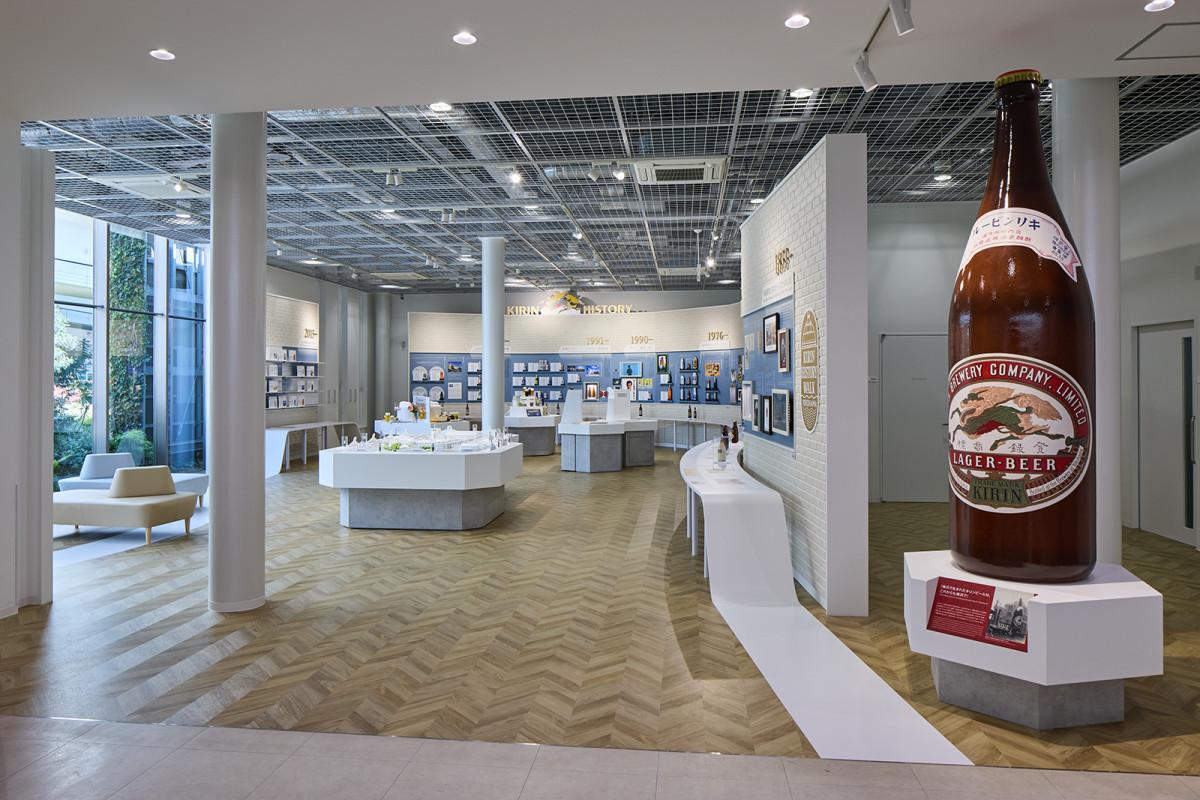
The tour facilities have been renewed as a space to experience the history and craftsmanship of the Kirin Group. The principles of “customer-first” and “quality-first,” cherished since the founding, are incorporated into the “Special Factory-Only Experience: Kirin Ichiban Shibori Deliciousness Realization Tour.”
The renewal of the factory tour includes introductions to the manufacturing process and serves as a venue to convey Kirin’s values and craftsmanship approach. While explaining history, products (Ichiban Shibori), and dedication to quality, it incorporates the “customer-first” and “quality-first” principles, offered as the “Special Factory-Only Experience: Kirin Ichiban Shibori Deliciousness Realization Tour.”
On June 13, a “Gratitude Festival” will be held at the factory, inviting 4,000 Yokohama residents. It will feature sales of freshly made “Ichiban Shibori” and “YOKOHAMA 1926 by SPRING VALLEY BREWERY,” as well as food from food trucks.
The commemorative beer for the 100th anniversary, “YOKOHAMA 1926 by SPRING VALLEY BREWERY,” has the concept: “Let’s bloom a 100-year flower at the port of Yokohama, the birthplace. ~A bouquet of thanks beer we offer you~.” It features a “complex and deep flavor” where the umami and sweetness of malt harmonize with floral notes from domestic hops. It will be available in limited quantities at the June 13 gratitude festival and at factory tours in August.
“For the next 100 years, we want to continue brewing beer that we can be proud of from our birthplace of Yokohama to the world, while remaining a factory loved by the community and contributing to society,” said the factory manager.
The gratitude festival requires advance registration. Application details will be announced on the website in late April, with applications accepted from May 1 to 15.
Kirin Beer Yokohama Factory
The Kirin Beer Yokohama Factory is a popular tourist destination in Yokohama, Japan, where visitors can tour the brewing facilities and learn about the beer-making process. The factory is part of Kirin Brewery Company, one of Japan’s oldest and largest beer producers, with roots dating back to 1885 when it was founded by William Copeland. Today, the site offers guided tours, tastings, and insights into the history and craftsmanship behind Kirin’s iconic beers.
Yamate, Yokohama
Yamate is a historic residential district in Yokohama, Japan, known for its Western-style houses and international atmosphere. Originally settled by foreign traders and diplomats after the port opened in 1859, it became a hub for the city’s foreign community during the Meiji era. Today, it preserves its heritage through restored mansions, museums, and scenic views, offering a glimpse into Yokohama’s multicultural past.
Great Kanto Earthquake
The Great Kantō Earthquake struck the Kantō region of Japan on September 1, 1923, with a magnitude of 7.9, devastating Tokyo and Yokohama. The quake and subsequent fires killed an estimated 105,000 to 142,000 people, making it one of the deadliest natural disasters in Japanese history. The tragedy led to widespread urban reconstruction and influenced modern earthquake-resistant building standards in Japan.
Yokohama
Yokohama is a major port city in Japan, just south of Tokyo, that played a pivotal role in the country’s modernization after it opened to foreign trade in 1859. It quickly developed from a small fishing village into a bustling international hub, becoming a center for Western influence and innovation during the Meiji period. Today, Yokohama is known for its vibrant waterfront, historic Chinatown, and landmarks like the Landmark Tower, blending its rich history with a modern, cosmopolitan atmosphere.
Kirin Ichiban Shibori Deliciousness Realization Tour
The “Kirin Ichiban Shibori Deliciousness Realization Tour” is an immersive brewery experience offered by Kirin Brewery Company in Japan, focusing on the production of their flagship Ichiban Shibori beer. The tour typically includes a visit to a state-of-the-art brewery, where guests learn about the brand’s history dating back to 1907 and the unique “first press” brewing method that extracts the purest wort. Visitors can also enjoy guided tastings that highlight the craftsmanship behind the beer’s rich flavor and smooth finish.
Ichiban Shibori
Ichiban Shibori is a popular Japanese beer brand and brewery tour experience in Yokohama, operated by Kirin Brewery Company. The name translates to “first press” in Japanese, referring to the brewery’s signature method of using only the first press of the wort for a rich, smooth flavor. The site offers visitors a chance to learn about the brand’s history and brewing process since its launch in 1990, with tastings and a glimpse into modern Japanese beer culture.
YOKOHAMA 1926 by SPRING VALLEY BREWERY
YOKOHAMA 1926 by SPRING VALLEY BREWERY is a craft beer brand and taproom in Yokohama, Japan, inspired by the city’s vibrant history. The name references 1926, the year the original Spring Valley Brewery was established in Yokohama as Japan’s first beer brewery, blending Western brewing traditions with local culture. Today, it offers a modern take on classic beer styles, celebrating the pioneering spirit of Yokohama’s brewing heritage.
Port of Yokohama
The Port of Yokohama, located just south of Tokyo, was one of the first Japanese ports opened to foreign trade in 1859 following the end of Japan’s isolationist period. This rapid opening transformed the small fishing village into a major international hub, driving Japan’s modernization and Western influence during the Meiji era. Today, it remains a vital commercial and cruise port, with its historic waterfront and modern skyline symbolizing Yokohama’s role as a gateway to Japan.