62-year-old cafe in Yokohama’s Ishikawacho becomes a youth hotspot: the journey of the classic “pure coffee shop model.”
1. Introduction: The Changing Ishikawacho and the Unwavering Presence of ‘Kissaten Model’
Yokohama, Ishikawacho.
In this neighborhood where the bustling glamour of Motomachi Shopping Street intersects with the somewhat earthy, lived-in atmosphere leading towards Kotobukicho, there is a place that has quietly, yet with a palpable warmth, marked the passage of 62 years.
It is ‘Kissaten Model’.
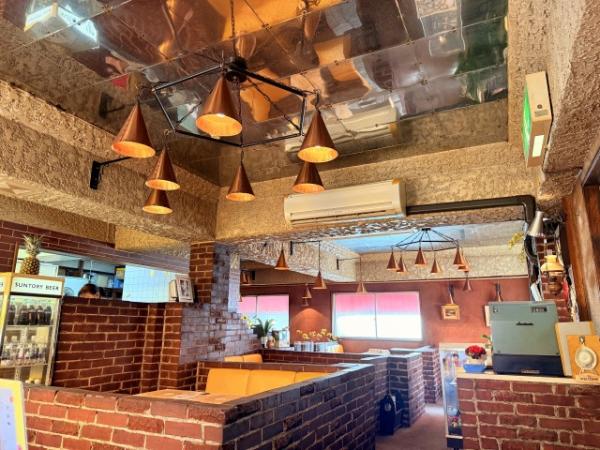
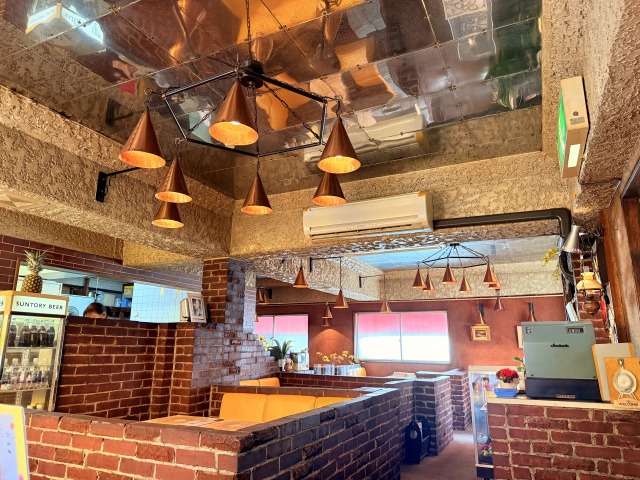
The partition walls are made of real brick, the sunflower-patterned tables were imported directly from Italy, and the scent of coffee permeates the air.
The air that brushes against your skin the moment you open the heavy door is not something that can be fully described by the mere term “Showa retro”; it is an air steeped in long years.
While demolition and construction repeat outside the window, rapidly changing the face of the city, this shop alone has maintained a universality called “everyday life.”
What the owners have continued to protect is not an attachment to past liveliness, but the pride in continuing ordinary things as a matter of course.
That unadorned daily life has begun to resonate strangely with the values of today’s youth, being redefined as a new cultural hub.
However, before reaching this calm tranquility, there was a quiet yet profound abyss of despair that pushed the shop to the brink of closure.
2. Beyond the Crisis of Survival: A Mother’s Death, the Pandemic, and a Decision
For ‘Kissaten Model’, the period from 2019 to 2020 was the most significant turning point since its founding.
“We talked many times about whether we should just give up.”
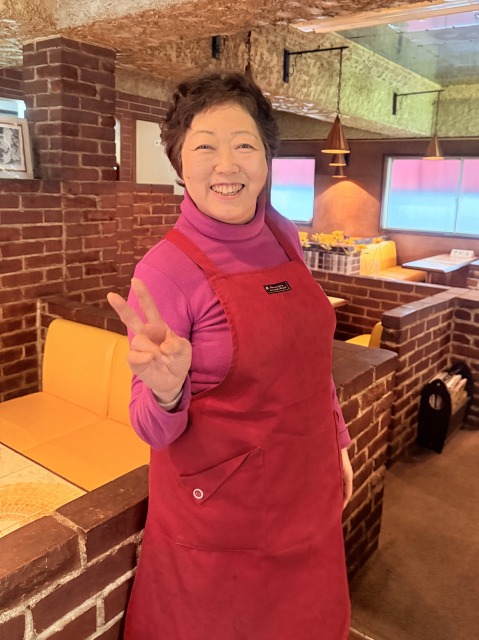
The person who said this and began the story was the individual who agreed to share their experience.
The Background of the Crisis: Losing the Pillar of a Mother
In 2019, the former owner, the mother who was the symbol of the shop, passed away at the age of 94.
For those running the shop, the mother’s absence was not merely a shortage of hands.
“Was there meaning in continuing the shop we ran because our mother did, even after she was gone?”
The sense of loss and emptiness was deep, and they were seriously determined to close the business.
The Added Blow of the Pandemic and Resignation
Then came the onslaught of the pandemic caused by an unknown virus.
Fearing the news of the Diamond Princess cruise ship, they were forced to close for three months.
Even after reopening, customers stayed away, and days came when they had to shorten business hours from 5 PM to 3 PM.
Former regulars also disappeared, and the words “Maybe we should just give up” were exchanged many times among the three siblings in the empty shop.
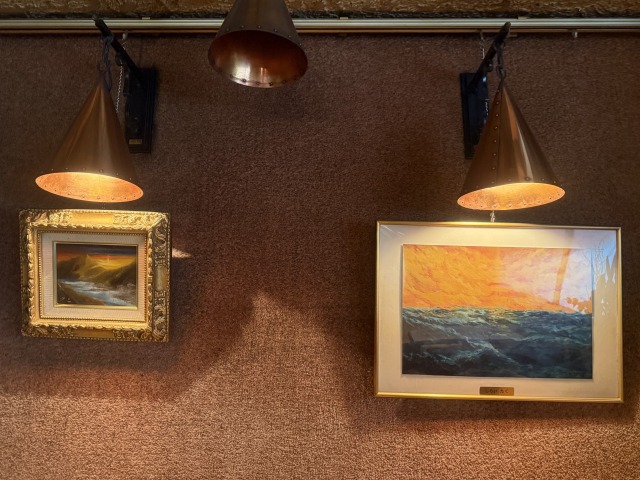
The gallery on the second floor, which displayed paintings, was also cleared out in anticipation of closing down.
A painting inside the shop.
The ‘Ad Street’ Program That Held On to the Last Thread
In 2020, when an air of “resignation” filled the shop, a turning point arrived.
It was a request to appear on the TV program “Ad Street” for the first time in ten years.
Initially, they thought, “Since we plan to quit anyway,” and tried to decline.
However, the response was, “That’s fine,” and they accepted the interview.
That accidental exposure became a dramatic “connection” that re-linked the shop with society.
The broadcast triggered an unintended revival.
3. The Birth of a Sanctuary
Kissaten Model
“Kissaten Model” is a meticulously recreated exhibit or museum-style space showcasing the traditional Japanese *kissaten* (喫茶店), a classic coffee shop that emerged in the early 20th century as a place for quiet conversation, reading, and enjoying hand-drip coffee. It preserves the Showa-era ambiance, often featuring dark wood interiors, vintage furniture, and jazz music, reflecting a period when these cafes served as crucial intellectual and social hubs in urban Japan.
Yokohama
Yokohama is a major port city in Japan, located south of Tokyo. It was one of the first Japanese ports opened to international trade in 1859, which rapidly transformed it from a small fishing village into a cosmopolitan hub. Today, it is known for its historic waterfront, Chinatown, and modern landmarks like the Minato Mirai district.
Ishikawacho
Ishikawacho is a historic district in Yokohama, Japan, originally developed in the late 19th century as a foreign settlement following the opening of the port. It is known for its well-preserved Western-style buildings from the Meiji era, which now house museums, cafes, and boutiques, reflecting Yokohama’s early period of international exchange.
Motomachi Shopping Street
Motomachi Shopping Street is a historic shopping district in Yokohama, Japan, which flourished in the late 19th and early 20th centuries as a hub for Western goods and culture, catering to the city’s growing international community. Today, it is a popular, stylish promenade lined with boutiques, cafes, and department stores, blending its cosmopolitan heritage with modern Japanese retail.
Kotobukicho
“Kotobukicho” (寿町) is a district in Yokohama, Japan, historically known as a day-laborer area that developed around the port’s post-war reconstruction. It became a “yoseba” (a gathering place for casual labor) and has faced significant social challenges related to poverty and aging. In recent decades, it has been the focus of community support efforts and urban redevelopment plans.
Showa retro
“Showa retro” refers to a nostalgic aesthetic and cultural movement in Japan that romanticizes the mid-Showa period (roughly the 1950s to early 1970s). It evokes the rapid economic growth and everyday life of that era through preserved or recreated elements like vintage diners, neon signs, and old-fashioned household goods. While not a single physical site, it is experienced in districts like Tokyo’s Showa-dori or specialized cafes and museums that celebrate the post-war boom period’s distinctive atmosphere.
Diamond Princess
The Diamond Princess is a British-registered cruise ship that gained global attention in early 2020 when it became the site of a major COVID-19 outbreak, quarantined off the coast of Japan with over 700 confirmed cases among passengers and crew. Its history as a vessel for Princess Cruises was overshadowed by this event, which served as an early and stark warning about the virus’s transmissibility and the challenges of containment in confined spaces.
Ad Street
“Ad Street” is a nickname for the historic **Dotonbori** district in Osaka, Japan, famous for its dense concentration of massive, illuminated billboards and neon signs advertising restaurants and shops. Its history as a vibrant entertainment and dining hub dates back to the early 17th century when it was developed as a canal and theater district. Today, iconic signs like the Glico Running Man and the giant moving crab of Kani Dōraku symbolize Osaka’s energetic merchant culture and have made it a globally recognized symbol of urban advertising.