Seibu Department Store’s Challenge in Tokyu’s Stronghold: The Beliefs of Seiji Tsutsumi, as Told by His Friend Takeshi Hara
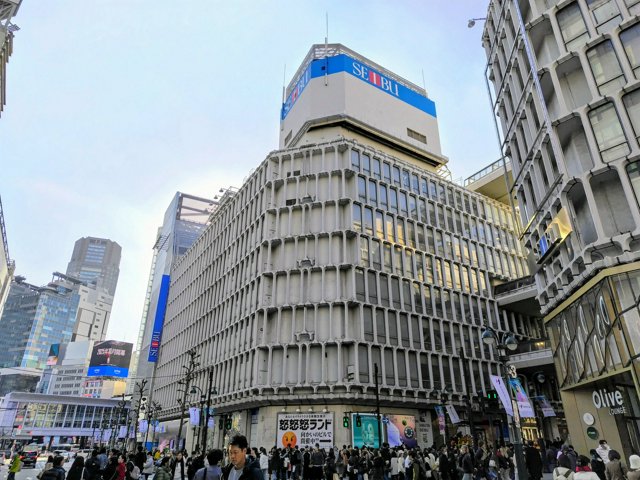
Seibu Shibuya Store, which has been operating in front for nearly 60 years since its opening in 1968, will close at the end of September. What does the closure of Seibu mean for Shibuya? And what was the background behind Seibu’s entry into what was considered “Tokyu’s stronghold”? We spoke with a professor emeritus at Meiji Gakuin University, who was a former president and close associate of the founder of the Sezon Group, the late Mr. Tsutsumi.
Shopping with Prize Money: “If You Want to Buy Stylish Clothes…”
The closure of Seibu Shibuya Store was a shock to me as well. When I won the Mainichi Publishing Culture Award in 2001 for “Emperor Taisho,” I spent a considerable amount of the prize money on clothes here. They were high-quality garments I had never bought before, and I still treasure them.
At that time, there was still a sense that “if you want to buy stylish clothes, it’s Seibu in Shibuya,” but the golden age of Seibu was probably the 1980s. The so-called “Sezon culture,” symbolized by the catchphrase “Delicious Life,” was all the rage. It was created by Seiji Tsutsumi.
Since accompanying a delegation led by Seiji Tsutsumi, who had deep ties with China, in 2006, I had personal and professional interactions with him. We had dialogues in monthly magazines, I invited him to public seminars at my university, and we even had meals together.
He was assigned to Los Angeles when Seibu Department Store opened a location there in 1962. He witnessed the American style of shopping, where railways were declining and people drove to shopping centers along highways. He felt that the “terminal” attached to railway stations was becoming outdated.
After the death of his father, the founder Yasujiro Tsutsumi (1889–1964), he took over the retail division, while his half-brother Yoshiaki handled the railway division, leading to a “divided rule” of the group.
A Change in Leadership Ends the “Conflict”
Seiji Tsutsumi, entrusted with the department store, then…
Seibu Shibuya Store
The Seibu Shibuya Store is a major department store located in the heart of Tokyo’s Shibuya district, a hub for fashion and youth culture. Originally opened in 1968 as part of the Seibu department store chain, it has undergone several renovations to remain a trendsetting retail destination. The store is known for its diverse selection of clothing, accessories, and lifestyle goods, serving as a key landmark in Shibuya’s commercial landscape.
Tokyu’s stronghold
“Tokyu’s stronghold” refers to the historic Hachioji Castle in Tokyo, Japan, which was once a major fortress controlled by the powerful Tokyu clan during the Sengoku period. Built in the 16th century, it served as a strategic military base and administrative center for the region. Today, the castle ruins are a popular cultural site, offering visitors a glimpse into Japan’s feudal history through its stone walls, moats, and scenic mountain views.
Meiji Gakuin University
Meiji Gakuin University is a prestigious private Christian university in Tokyo, Japan, founded in 1863 by American Presbyterian missionary Dr. James Hepburn. It began as a small school for English and biblical studies, later expanding into a full university in 1949, and is known for its historic red-brick campus in Shirokane, which blends Western and Japanese architectural styles. The university has played a significant role in Japan’s modernization and continues to emphasize liberal arts education rooted in Christian values.
Sezon Group
The Sezon Group is a Japanese art and cultural organization founded in 1970 by the Saison Foundation, originally emerging from the Seibu Department Store’s cultural initiatives. It is best known for operating the Sezon Museum of Art in Tokyo, which opened in 1975 and has hosted influential exhibitions blending contemporary art, design, and traditional Japanese aesthetics. The group played a key role in Japan’s avant-garde art scene during the late 20th century, promoting cross-cultural exchange and innovative artistic practices.
Emperor Taisho
Emperor Taisho was the 123rd Emperor of Japan, reigning from 1912 to 1926 during a period of political liberalization known as the Taisho Democracy. His reign marked a shift toward more progressive policies and cultural modernization, though his health declined early on, leading to his son, Crown Prince Hirohito, serving as regent from 1921. The Taisho era is remembered for its relative political openness and the flourishing of democratic movements in Japan.
Seibu Department Store
Seibu Department Store is a major Japanese retail chain established in 1949, with its flagship location in the bustling Ikebukuro district of Tokyo. Originally founded as part of the Seibu Group, the store played a key role in Japan’s post-war economic growth, evolving into a symbol of modern consumer culture. Today, it is known for its wide range of fashion, luxury goods, and dining options, continuing to be a popular shopping destination in Japan.
Los Angeles
Los Angeles, often called “LA,” is a sprawling Southern California city known for its entertainment industry, diverse culture, and sunny climate. Originally founded in 1781 by Spanish settlers as “El Pueblo de Nuestra Señora la Reina de los Ángeles,” it grew rapidly after the arrival of the railroad in the late 19th century and the rise of Hollywood in the early 20th century. Today, it is a global hub for film, music, technology, and international trade.
Mainichi Publishing Culture Award
The Mainichi Publishing Culture Award is a prestigious Japanese literary prize established in 1947 by the Mainichi Shimbun newspaper. It honors outstanding contributions to publishing, including books, magazines, and cultural activities, that promote intellectual and artistic growth in Japan. Over the decades, the award has recognized a wide range of influential works and figures, reflecting the evolving landscape of Japanese culture and literature.