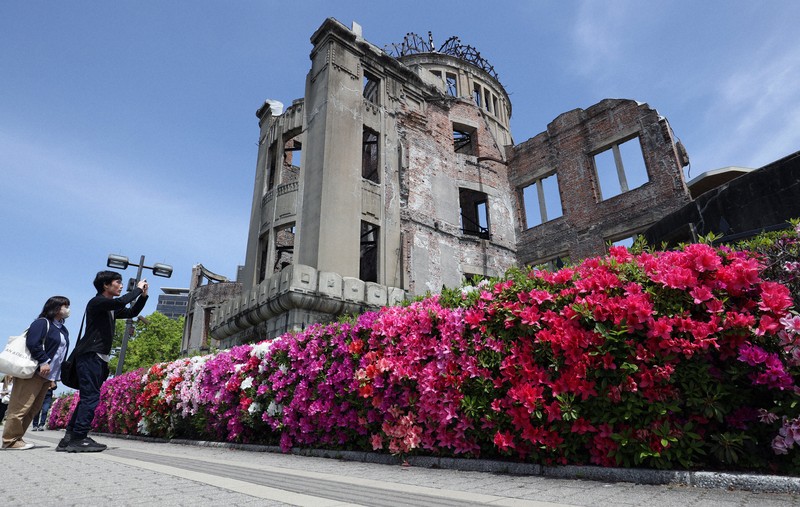

Atomic Bomb Dome
The Atomic Bomb Dome, located in Hiroshima, Japan, is the skeletal remains of the Hiroshima Prefectural Industrial Promotion Hall, which was one of the few structures left standing near the hypocenter of the atomic bomb explosion on August 6, 1945. Originally built in 1915 by Czech architect Jan Letzel, it was preserved in its devastated state as a powerful symbol of the horrors of nuclear warfare. In 1996, it was designated a UNESCO World Heritage Site, serving as a lasting memorial to the victims and a global plea for peace.