Shinjuku Ward implements regulations for large-scale short-term condo resales and mandates advance business consultation.
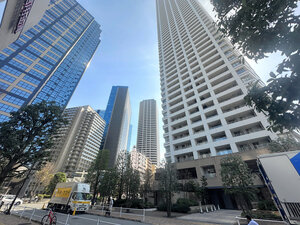
A new initiative has been launched to prevent the short-term resale of large-scale condominiums. Developers of such properties are now required to submit plans for preventing resale and to consult with the ward before construction begins. The aim is to curb soaring condominium prices, and the measure is expected to influence the condominium market in other central Tokyo wards as well.
The initiative targets large-scale new condominium buildings with 100 or more units, which are constructed using urban development systems such as “urban redevelopment projects.”
Developers are required to submit their resale prevention plans to the ward and to consult with the ward before starting construction. The ward may propose improvements to the plans as necessary. Developers are expected to revise their plans based on consultations and requests from the ward and to report on their progress.
At a ward assembly committee meeting, it was reported on the initiative, stating, “Transactions not based on actual demand are undesirable.”
A survey was published indicating that large-scale condominiums accounted for 80% of short-term resales within Tokyo’s 23 wards. Based on such findings, guidelines for suppressing resales were formulated.
Regarding the suppression of short-term resales, a request was made to the major real estate industry association to prevent condominium transactions for speculative purposes, including a “ban on resales within five years.” The association compiled response guidelines incorporating a ban on resales before the delivery of new properties and notified its member companies.
Tokyo’s 23 wards
Tokyo’s 23 special wards (*tokubetsu-ku*) form the densely populated core of the Japanese capital, established under their current administrative system in 1947. Historically, this area largely corresponds to the former city of Tokyo, which was dissolved that year to create a unified metropolitan government. Today, they are municipal entities—like cities—each with their own mayor and assembly, and include globally famous districts like Shinjuku, Shibuya, and Chiyoda (home to the Imperial Palace).
Ward Assembly Committee
A Ward Assembly Committee is a local-level governance body found in countries like Bangladesh and Nepal, typically representing a small urban or rural administrative division (a ward). Its history is tied to decentralization reforms aimed at increasing community participation, where these committees are often responsible for local development planning, minor civic issue resolution, and acting as a bridge between residents and higher municipal or village authorities.
Major Real Estate Industry Association
A major real estate industry association is a professional organization, such as the National Association of Realtors (NAR) in the United States, founded in 1908. These associations are typically formed to establish ethical standards, provide education, and advocate for policies that support the real estate profession and property ownership. They play a central role in shaping industry practices and have historically been key in standardizing real estate transactions and promoting homeownership.
Shinjuku
Shinjuku is a major commercial and administrative district in Tokyo, Japan, known for its skyscrapers, bustling shopping areas, and the world’s busiest railway station. Historically, it developed from a post town on the Kōshū Kaidō road during the Edo period, transforming into a modern hub after the Great Kanto Earthquake of 1923 and extensive rebuilding following World War II. Today, it is a vibrant center of business, government, and entertainment, encompassing areas like the futuristic skyscraper district of West Shinjuku and the neon-lit nightlife of Kabukichō.
Tokyo’s 23 special wards (*tokubetsu-ku*) form the densely populated core of the Tokyo Metropolis, a system established in 1947 to replace the former Tokyo City. These wards, including famous districts like Shinjuku, Shibuya, and Chiyoda, are governed directly by the metropolitan government and represent the political, economic, and cultural heart of modern Japan, built upon the historical groundwork of the Edo period.
Shinjuku
Shinjuku is a major commercial and administrative district in Tokyo, Japan, known today for its skyscrapers, bustling entertainment areas, and the world’s busiest railway station. Historically, it developed during the Edo period (1603-1868) as a post station on the Kōshū Kaidō highway, with its rapid modern growth beginning after it became a major railway hub in the late 19th century. Key landmarks include the Tokyo Metropolitan Government Building, Kabukichō entertainment district, and Shinjuku Gyoen National Garden.
Shibuya
Shibuya is a major commercial and entertainment district in Tokyo, Japan, famous for its iconic scramble crossing and the loyal Hachikō statue. Historically a quiet town centered around a shrine, its transformation began with the opening of Shibuya Station in 1885, leading to rapid development as a hub for youth culture and fashion in the post-war era. Today, it symbolizes Tokyo’s dynamic, fast-paced urban life.
Chiyoda
Chiyoda is a special ward in central Tokyo, Japan, best known as the location of the Imperial Palace, the primary residence of the Emperor of Japan. Historically, the area was the site of Edo Castle during the Tokugawa shogunate (1603-1868), making it the political center of Japan for centuries before becoming the modern seat of the imperial family and national government.
Imperial Palace
The Imperial Palace in Tokyo, Japan, is the primary residence of the Emperor of Japan. It stands on the site of the former Edo Castle, the seat of the Tokugawa shogunate that ruled Japan from 1603 to 1868. The current palace complex, rebuilt in the 20th century after wartime destruction, is a modern symbol of the imperial institution within a large, traditional garden setting.