Bear that injured four people escapes Fukushima factory after apparently opening window.
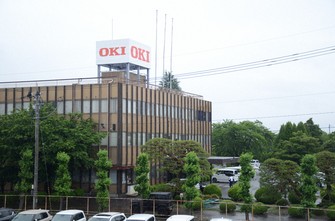
The Oki Sympho-Tech Co. facility in the Sasakino district of Fukushima, where the emergency shooting measures remained in place, is pictured June 3, 2026.
A bear that had been shut inside a factory in Fukushima after attacking four people escaped from the factory grounds late on June 3, apparently after opening a window by itself, officials said.
The northeast Japan city has lifted emergency shooting measures that were in place and is continuing its search for the animal while urging residents to stay alert.
The bear entered one of the rooms at the factory of electronics manufacturer Oki Sympho-Tech Co. in the city of Fukushima at around noon on June 2. Authorities blocked entrances and exits with forklifts and barricades and set a trap.
Mayor Yuki Baba authorized emergency shooting measures, but because there were flammable materials inside the factory, rifles could not be used. A tranquilizer gun was fired at about 2:20 p.m., striking the bear, but the city said the animal appeared agitated and the tranquilizer apparently had little effect.
According to the city, it placed honey and apples in the trap, but the bear managed to eat them without going far enough into the trap to be caught.
Acting on expert advice, authorities turned off the factory lights and reduced the number of personnel monitoring the area, hoping the bear would become more active and enter the trap. However, this backfired, and the bear escaped through a window shortly after 10:40 p.m. on June 3 and fled the factory grounds. The window had reportedly been locked, suggesting the bear may have opened it itself.
A self-employed man in his 60s living nearby commented, “Around 11 p.m., when I opened my window, it was noisy outside, and I heard someone saying, ‘It escaped,’ so I couldn’t sleep well last night. The factory grounds are large, and with the rain and darkness, I think the monitoring had its limits.” Holding his head, he added, “They also knew a typhoon was coming. Couldn’t they have done something before that?”
The bear entered the grounds of casting manufacturer Fukushima Steel Works Co. on the morning of June 2 and attacked two male workers, aged in their 20s and 60s. It then attacked an elderly woman in her 80s who lived nearby and a 66-year-old male security guard at Oki Sympho-Tech about 500 meters to the northwest. According to Fukushima Police Station, the guard suffered serious injuries, including facial fractures, while the other three victims were also injured.
Sasakino district of Fukushima
The Sasakino district of Fukushima is a historic area known for its traditional architecture and cultural heritage, with roots dating back to the Edo period. Once a thriving post town along the nearby pilgrimage routes, it was heavily impacted by the 2011 Great East Japan Earthquake and subsequent nuclear disaster. Today, the district is undergoing gradual revitalization efforts to preserve its historical character and support local communities.
Fukushima
Fukushima is a prefecture in Japan best known for the 2011 nuclear disaster at the Fukushima Daiichi Power Plant, triggered by a massive earthquake and tsunami. Before the accident, the region was famous for its scenic beauty, hot springs, and agricultural products like peaches and rice. Recovery efforts have been ongoing, with many areas now safe and open to visitors, though the nuclear plant remains a focus of decommissioning work.
Oki Sympho-Tech Co. facility
The Oki Sympho-Tech Co. facility is a Japanese manufacturing plant, originally part of the Oki Electric Industry group, known for producing high-tech components such as printed circuit boards and electronic devices. Established in the late 20th century, it has contributed to Japan’s reputation for precision engineering and innovation in the electronics sector. The facility represents a blend of traditional industrial expertise and modern technological advancement.
Fukushima Steel Works Co.
Fukushima Steel Works Co. was a major industrial facility in Japan, primarily known for its role in steel production during the post-war industrial boom. The company faced significant challenges following the 2011 Great East Japan Earthquake and tsunami, which caused severe damage to the region and disrupted operations. Despite its historical importance to local industry, the site has since been associated with the broader economic and environmental struggles of Fukushima Prefecture in the disaster’s aftermath.
Fukushima Police Station
The Fukushima Police Station serves as the primary law enforcement headquarters for Fukushima City and its surrounding areas in Japan. Established in the late 19th century, it has played a key role in maintaining public safety, including during the aftermath of the 2011 Great East Japan Earthquake and the subsequent Fukushima Daiichi nuclear disaster. Today, it continues to oversee police operations and community safety in the region.