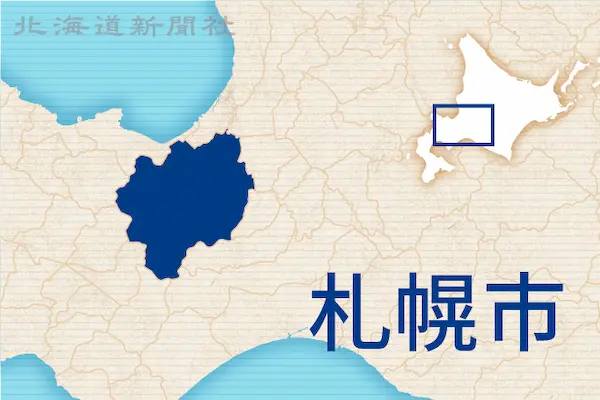
On the 29th, Sapporo City announced that it will impose an administrative penalty, reducing nursing care fees by 30 percent based on the Long-Term Care Insurance Act, on “Genki na Kaigo” in Kita Ward, which operates the nursing care facility “Leafield” in Toyohira Ward, after a care worker injured a user. The penalty was dated the 22nd and will last for three months from June to August.
Sapporo City
Sapporo is the largest city on Japan’s northern island of Hokkaido, known for its modern urban planning and the annual Sapporo Snow Festival. Originally a small settlement, it was developed in the late 19th century by the Japanese government, with American-style grid layouts and a focus on agriculture and industry. Today, it is a vibrant cultural and economic hub, famous for its beer, skiing, and the historic Clock Tower.
Kita Ward
Kita Ward is one of the 23 special wards of Tokyo, Japan, located in the northern part of the city. Historically, it was formed in 1947 through the merger of several towns and villages, and it is known for its rich cultural heritage, including the iconic Asukayama Park, a historic cherry blossom viewing spot established in the 18th century. Today, Kita Ward combines residential areas with historical sites, such as the Oji Shrine and the Paper Museum, reflecting its evolution from a rural area to a vibrant urban district.
Toyohira Ward
Toyohira Ward is a district in Sapporo, Japan, named after the Toyohira River that flows through it. The area developed significantly after the Meiji era as part of Sapporo’s expansion, and it is known for hosting the Sapporo Dome, a major sports and event venue, as well as the historic Moerenuma Park, designed by sculptor Isamu Noguchi. Today, it serves as a residential and cultural hub within the city.
Sapporo Snow Festival
The Sapporo Snow Festival is an annual winter event held in Sapporo, Japan, featuring enormous and intricate snow and ice sculptures. It began in 1950 when local high school students built six snow statues in Odori Park, and has since grown into a world-famous celebration, typically held in early February. The festival now spans multiple venues and attracts over two million visitors each year, showcasing both artistic creativity and the cultural spirit of Hokkaido.
Clock Tower
The Clock Tower, often a prominent landmark in city centers, historically served as a public timekeeping structure before personal watches became common. Many famous clock towers, like London’s Elizabeth Tower (commonly called Big Ben), were built in the 19th century during the Victorian era, combining Gothic architecture with precise mechanical engineering. These towers not only regulated daily life but also became enduring symbols of their cities’ identity and heritage.
Asukayama Park
Asukayama Park, located in Tokyo’s Kita Ward, is a historic public park established in 1873, making it one of Japan’s oldest parks. It was famously developed on a hill overlooking the
<div class="my
Sapporo City
Sapporo is the capital city of Hokkaido, Japan’s northernmost island, known for its modern urban design and natural surroundings. Founded in the late 19th century, it was developed based on a grid plan by Japanese settlers and American advisors, and it hosted the 1972 Winter Olympics. Today, it is famous for its annual Snow Festival, beer, and as a gateway to Hokkaido’s scenic landscapes.
Kita Ward
Kita Ward is one of the 23 special wards of Tokyo, Japan, known for its blend of residential areas and historical sites. It is home to significant landmarks such as the Rikugien Garden, a beautiful Edo-period garden, and the Oji Shrine, which has a history dating back over 1,200 years. The area also features the Asukayama Park, a historic cherry blossom viewing spot established in the 18th century.
Toyohira Ward
Toyohira Ward is a district in Sapporo, Japan, named after the Toyohira River that flows through it. The area developed significantly in the late 19th and early 20th centuries as Sapporo expanded, and it is now known for its mix of residential neighborhoods, parks, and commercial areas, including the popular Sapporo Convention Center. Historically, the ward played a role in the region’s growth as a center for industry and transportation, contributing to Sapporo’s emergence as Hokkaido’s capital.
Sapporo Snow Festival
The Sapporo Snow Festival is an annual winter event held in Sapporo, Japan, featuring massive, intricately carved snow and ice sculptures. It began in 1950 when local high school students created six snow statues in Odori Park, and has since grown into a world-famous celebration attracting millions of visitors. The festival typically takes place in early February, showcasing both amateur and professional artists’ works across multiple venues.
Clock Tower
The Clock Tower, often a prominent landmark in many cities, serves as both a timekeeping structure and a historical symbol. Originally built in the medieval era or later periods, many clock towers were part of town halls or churches, marking the center of civic life and commerce. Over time, they have become iconic cultural sites, representing community heritage and architectural styles from Gothic to Victorian.
Asukayama Park
Asukayama Park, located in Tokyo’s Kita Ward, is a historic public park established in 1873, making it one of Japan’s oldest parks. It was originally developed by Shogun Tokugawa Yoshimune in the 18th century as a cherry blossom viewing spot, and later opened to the public during the Meiji era. Today, it offers scenic views, a museum, and remains a popular destination for hanami (flower viewing).
Oji Shrine
Oji Shrine is a Shinto shrine located in Tokyo’s Kita Ward, with a history dating back to the 14th century. It is famously associated with the “Oji Inari” fox deity and is the site of the annual “Fox’s Wedding” festival, a traditional event where participants dress as foxes to honor a local legend. The shrine also serves as the starting point for the Oji Kitsune-no-Gyoretsu parade, blending folklore and cultural heritage.
Paper Museum
The Paper Museum, located in Basel, Switzerland, is dedicated to the history of paper, writing, and printing. Housed in a historic medieval paper mill, it traces the evolution of papermaking from ancient techniques to modern industrial processes. Visitors can explore working machinery and participate in hands-on activities like making their own paper.