
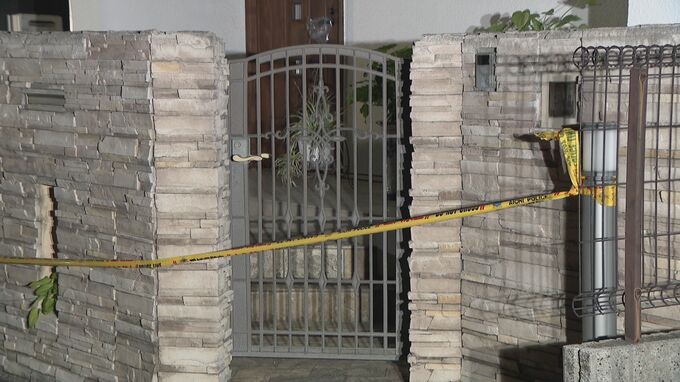
Two bodies, a man and a woman, were found in a residence in Oguchi Town, Aichi Prefecture.
According to police, around 6:15 p.m. yesterday, a 60-year-old husband, a company employee, and his 51-year-old wife, who lived in the house, were found collapsed in a residence in Yono 3-chome, Oguchi Town.
Oguchi Town
Oguchi Town, located in the northern part of Nagano Prefecture, Japan, is a historic post town that flourished along the Hokkoku Kaido trade route during the Edo period. It served as a key stop for travelers and merchants crossing the rugged terrain between the Kanto region and the Sea of Japan coast. Today, the town preserves traditional architecture and offers a glimpse into its past as a vital transportation hub.
Aichi Prefecture
Aichi Prefecture, located in central Japan, is a major industrial and cultural hub known for its automotive industry, particularly as the home of Toyota. Historically, it was the heartland of the powerful Oda and Tokugawa clans during the Sengoku period, and it houses significant landmarks like Nagoya Castle. Today, it blends modern innovation with traditional heritage, including the Atsuta Shrine, one of Shinto’s most important shrines.
Yono 3-chome
Yono 3-chome is a residential and commercial district located in the city of Saitama, Japan, historically part of the old Yono Town that merged with Urawa and Omiya to form the current city in 2001. The area developed significantly during the post-war period, transforming from agricultural land into a suburban neighborhood. Today, it is known for its quiet streets, local shops, and proximity to the Yono Park and the Saitama Prefectural Museum of History and Folklore.
Oguchi Town
Oguchi Town, located in the northern part of Nagano Prefecture, Japan, is a historic post town that flourished along the Hokkoku Kaido road during the Edo period. Known for its well-preserved traditional architecture and scenic mountain surroundings, it served as a key stop for travelers and merchants crossing the region. Today, Oguchi Town is recognized for its cultural heritage, including the Oguchi-juku historic district, which offers a glimpse into Japan’s feudal-era travel and trade.
Hokkoku Kaido
The Hokkoku Kaido was a historic highway in Japan during the Edo period, connecting the Kanto region (modern-day Tokyo area) to the Hokuriku region along the Sea of Japan coast. It served as a vital trade and travel route for goods like salt, fish, and rice, and was also used by feudal lords for their compulsory journeys to Edo. Today, portions of the road survive as scenic walking paths and cultural heritage sites, offering a glimpse into Japan’s feudal-era transportation network.
Aichi Prefecture
Aichi Prefecture, located in central Japan, is historically significant as the home of the samurai warlord Tokugawa Ieyasu, who unified the country in the early 17th century. Its
Oguchi Town
Oguchi Town is a scenic rural area located in the northern part of Kagawa Prefecture, Japan, known for its beautiful terraced rice fields and traditional agricultural landscapes. Historically, the town developed as a center for rice cultivation and forestry, with its remote mountain setting preserving much of its natural and cultural heritage. Today, it is recognized for its efforts in sustainable tourism and maintaining the historic “Tanada” (terraced paddy fields) that date back centuries.
Aichi Prefecture
Aichi Prefecture, located in central Japan, is a historically and industrially significant region. It was the home of the samurai warlord Tokugawa Ieyasu, who unified Japan in the early 17th century, and features Nagoya Castle, a key symbol of his power. Today, Aichi is a major industrial hub, best known as the headquarters of Toyota Motor Corporation, blending its rich feudal history with modern innovation.
Yono 3-chome
Yono 3-chome is a residential district located in Yono, a former city that is now part of Saitama City, Saitama Prefecture, Japan. Historically, the area developed as part of the Yono region, which was incorporated into Saitama City in 2001, and it reflects the suburban growth of the Greater Tokyo Area. Today, Yono 3-chome is known for its quiet neighborhood atmosphere, with local parks, schools, and easy access to public transportation.
Hokkoku Kaido
The Hokkoku Kaido was a major historical highway in Japan during the Edo period, connecting the Hokuriku region (modern-day Ishikawa and Toyama prefectures) to the Nakasendo road and the city of Kyoto. It served as a vital trade and travel route, particularly for transporting goods like rice, salt, and marine products from the Sea of Japan coast to inland areas. Today, preserved sections of the road, along with traditional post towns, offer visitors a glimpse into Japan’s feudal-era transportation and culture.
Nagoya Castle
Nagoya Castle, originally built in 1612 by the Tokugawa shogunate, served as a key military and political hub in central Japan. It was famously topped with golden shachihoko (mythical fish-tiger) ornaments. Severely damaged in World War II, the castle was reconstructed in 1959 and remains a symbol of Nagoya’s heritage.
Atsuta Shrine
Atsuta Shrine is one of Japan’s most important Shinto shrines, located in Nagoya. It is believed to have been founded over 1,900 years ago and is renowned for housing the sacred sword Kusanagi-no-Tsurugi, one of the three Imperial Regalia of Japan. The shrine has been a revered spiritual site for centuries, surviving numerous fires and reconstructions, and remains a vital cultural landmark.
Yono Park
Yono Park is a scenic urban park located in Yono, a district of Saitama City, Japan. Originally developed in the early 20th century, the park is known for its beautiful pond, walking paths, and seasonal cherry blossoms that attract visitors during spring. It also features a historic Japanese-style house and serves as a peaceful retreat, reflecting the area’s cultural heritage.
Saitama Prefectural Museum of History and Folklore
The Saitama Prefectural Museum of History and Folklore, located in Omiya Park, Saitama City, showcases the region’s cultural heritage from prehistoric times to the modern era. Housed in a building that incorporates elements of traditional Japanese architecture, the museum features exhibits on local agriculture, crafts, and daily life, including a reconstructed Edo-period village. It was established in 1971 to preserve and present the history and folklore of Saitama Prefecture for educational and cultural appreciation.
Related news

Life Transformed! From Corporate Employees to Farmers: “Couple Who Left Salaried Jobs” Buy a Large House… “We Have No Regrets” Even with Less Than Half Their Previous Income, Enjoying a Fulfilling Life with Family.
Life Transformed! A Couple Who Left Corporate Jobs...

A “fun” trip shouldn’t be exhausting—travel medicine makes it possible to enjoy a healthy, fatigue-free journey.
A Fun and Not Tiring Healthy Journey with Travel M...

Man dies after going to retrieve ayu fishing equipment in Hida River, found on riverbed downstream in Shirakawa Town, Gifu Prefecture.
The body of a 73-year-old man who went missing whi...

“Election discounts: Nagoya students offer store deals to boost youth voter turnout”
As the House of Councillors election approaches, a...

Chukyo University Chukyo High School advances to the semifinals for the first time in five years, allowing no runners on base after the fourth inning against Hachinohe Gakuin Kosei High School in the Spring National High School Baseball Championship.
Chunichi University Chukyo High School advances to...