
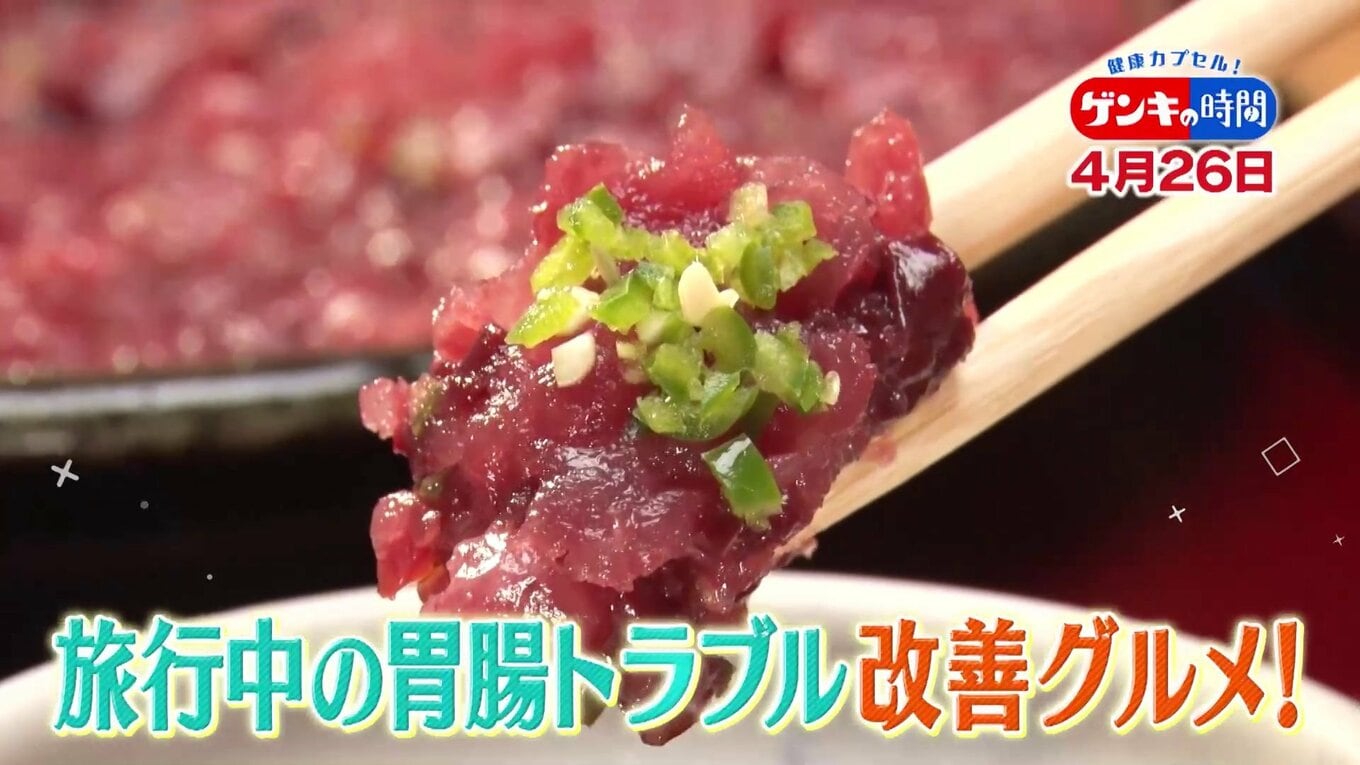
The program “Health Capsule! Time for Energy” introduces familiar health issues and ways to improve them through various themes. This time, the theme is “~A Fun and Not Tiring Healthy Journey with Travel Medicine”.
Golden Week is just around the corner. Even a fun trip can lead to fatigue and poor health if not managed well, instead of being refreshing. The key to avoiding such travel troubles and enjoying a healthy trip is “travel medicine.”
In this episode, we learned from travel medicine experts how to prevent health problems while traveling and how to plan a healthy, enjoyable, and not tiring trip.
Golden Week
Golden Week is a collection of four national holidays in Japan, occurring from late April to early May, creating one of the country’s busiest travel periods. The modern celebration originated in 1948 when the Showa Emperor’s birthday was designated as a holiday, and it now includes Constitution Memorial Day, Greenery Day, and Children’s Day. During this time, many people return to their hometowns or travel domestically, leading to crowded transportation and popular tourist destinations.
Golden Week
Golden Week is a major holiday period in Japan, typically spanning from late April to early May, which combines four national holidays: Showa Day, Constitution Memorial Day, Greenery Day, and Children’s Day. Its origins date back to 1948, when these holidays were established to create a consecutive break, and it has since become one of the country’s busiest travel seasons. During Golden Week, many people return to their hometowns or take trips, leading to crowded trains and tourist destinations.
Showa Emperor’s birthday
The Showa Emperor’s birthday, celebrated on April 29, marks the birth of Emperor Hirohito, who reigned from 1926 to 1989. Following his death, the day was initially renamed “Greenery Day” to honor his love for nature, but in 2007 it was officially designated as “Showa Day” to reflect on the tumultuous Showa period (1926–1989) and Japan’s post-war recovery. Today, it is part of Japan’s Golden Week holiday, encouraging reflection on the country’s history and resilience.
Constitution Memorial Day
Constitution Memorial Day, observed on May 3rd in Japan, commemorates the enactment of the country’s post-World War II constitution in 1947. This national holiday honors the democratic principles and pacifist values enshrined in the document, which renounces war and emphasizes human rights. It serves as a time for reflection on Japan’s transition from an imperial state to a peaceful constitutional democracy.
Greenery Day
Greenery Day (Midori no Hi) is a Japanese national holiday celebrated on May 4th, dedicated to appreciating nature and the environment. Originally established in 1989 to honor
<h3 class="text-lg font-semibold mb
Golden Week
Golden Week is a major holiday period in Japan, spanning from late April to early May, which combines several national holidays including Showa Day, Constitution Memorial Day, Greenery Day, and Children’s Day. Originating after World War II, it was officially recognized in 1948 and has since become one of the country’s busiest travel seasons, with many people taking vacations to visit family, tourist spots, and cultural events. The name “Golden Week” was coined in the 1950s by the film industry to describe the high attendance and revenue during this period.
Showa Emperor’s birthday
The Showa Emperor’s birthday, celebrated on April 29, marks the birth of Emperor Hirohito, who reigned from 1926 to 1989. After his death, the day was renamed “Greenery Day” in 1989 to honor his love for nature, but it later became part of Japan’s Golden Week holiday period. This date reflects a shift from imperial celebration to a broader appreciation of the environment and seasonal beauty.
Greenery Day
Greenery Day is a Japanese national holiday celebrated on May 4th, originally established in 1989 to honor the late Emperor Showa’s love of nature and plants. It was moved to its current date in 2007, with the Emperor’s birthday (April 29th) becoming Showa Day, while Greenery Day now serves as a day to appreciate the environment and reflect on the natural world.
Children’s Day
Children’s Day is a holiday celebrated in many countries around the world to honor and promote the well-being of children. Its origins trace back to the early 20th century, with the first official observance in Turkey in 1920, and it was later endorsed globally after the United Nations established Universal Children’s Day in 1954. The day is typically marked by special events, activities, and gifts focused on the happiness and rights of children.
Constitution Memorial Day
Constitution Memorial Day, observed on May 3rd in Japan, commemorates the enactment of the post-World War II Constitution of Japan in 1947. This national holiday celebrates the principles of peace, popular sovereignty, and fundamental human rights enshrined in the document. It serves as a time for reflection on Japan’s democratic values and the country’s commitment to renouncing war.
Showa Day
Showa Day, observed on April 29 in Japan, honors the birthday of Emperor Hirohito (the Showa Emperor) and reflects on the turbulent Showa period (1926–1989), which included World War II and Japan’s post-war recovery. Established as a national holiday in 2007, it is part of Japan’s Golden Week holiday period and encourages reflection on the era’s hardships and resilience. The day also serves as a moment to appreciate peace and the nation’s cultural heritage.
Related news
Evacuation order lifted in Tahara City, Aichi.
Evacuation Advisory Lifted in Tahara City, Aichi
T...
“Former Shop Owner Who Suffered a Stroke Aims to Make Ramen Again: Second Generation of ‘Viet Cong Ramen’ Founder Challenges Himself with Beloved Apprentice at Care Facility in Ichinomiya City, Aichi”
Aichi's famous local ramen known as "Vietcong Rame...
“Aichi District’s 14 Prospective Candidates: What Are the Incumbents’ and Newcomers’ Campaign Promises?”
What decision will voters make in the July 20 Hous...

“Why do I have to tell you?” A second-year director’s heartwarming interview story that sent chills down their spine upon hearing former Chunichi Dragons player Shota Nakata’s (36) words.
Former Chunichi Dragons player Sho Nakata (36) - A...
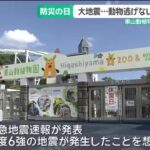
Emergency drill at Higashiyama Zoo simulates magnitude 6+ earthquake, quickly guiding Asian elephants back to enclosures in Aichi.
On Disaster Prevention Day, a training exercise si...