“A Certain Prone-to-Daydreaming Fan’s Dragons Chronicle”
A column after watching CBC TV’s “Sunday Dragons” (broadcast live in the Tokai area every Sunday from 12:54 PM).
“If They Tell Me to Go, I Go” – The Master Strategist’s Unexpected Style
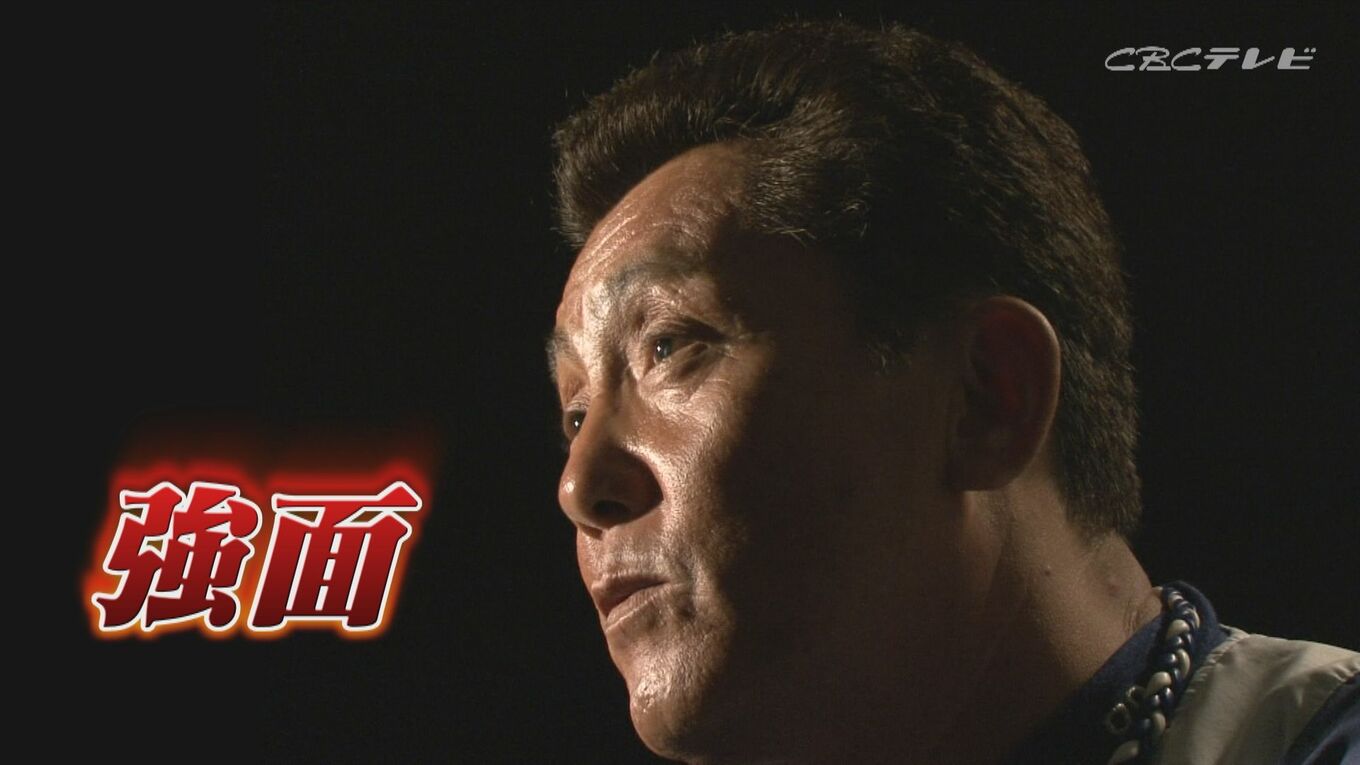
Shigekazu Mori, who combines an intimidating appearance with a humorous gap, became the Dragons’ pitching coach in 2004 and developed pitchers who left their names in team history, such as Kazuki Yoshimi and Takuya Asao. From 2010, he also served as the head coach, a master strategist supporting manager Hiromitsu Ochiai. He led the team as manager from mid-2016, but his greatest achievement lay in acquiring new foreign players.
“I’m a pitching coach, not a scout. If they tell me to go, I go.”
True to his words, going overseas and evaluating players with his own eyes was Mori’s style. There was Tony Blanco, who boasted overwhelming power and won the home run title. His performance resulted in 452 games played, 427 hits, 111 home runs, 309 RBIs, and a .262 batting average.
Dayan Viciedo, who won the batting title and recorded the most hits in a season, also performed well for many years. Pitcher Raidel Martinez, who says, “I am proud of the coaches and managers who taught me with love,” started from a developmental contract but rose to become a closer, growing into a relief pitcher representing Japanese baseball.
CBC TV
CBC TV is the national English-language television network of Canada, launched in 1952 as a public broadcaster. It was established to provide Canadian-produced programming and news, fostering national identity and cultural expression across the vast country.
Sunday Dragons
“Sunday Dragons” refers to the traditional Chinese dragon dance performances often held in public squares or during festivals, particularly on weekends like Sundays in Chinatowns and cultural districts worldwide. This practice has roots in ancient Chinese rituals intended to bring good luck and ward off evil spirits, with the dragon symbolizing power, wisdom, and prosperity. Today, these vibrant performances serve both as cultural preservation and community celebration, connecting diaspora communities to their heritage.
Tokai area
The Tokai area is a coastal region in central Japan, historically known as the “East Sea Road” as part of the vital **Tōkaidō** highway connecting Edo (Tokyo) and Kyoto during the Edo period. Today, it is a major industrial and technological hub, home to the **Toyota Motor Corporation** in Toyota City and the historic **Nagoya Castle**.
Dragons
While dragons are not a single physical place or cultural site, they are a pervasive and ancient mythological symbol found across numerous cultures worldwide. Their history spans millennia, with early depictions appearing in Mesopotamian, Egyptian, and Chinese art, often representing primal forces, power, or guardianship. In the West, they evolved into fearsome, treasure-hoarding beasts, while in East Asian traditions, they are typically benevolent, wise creatures associated with water and imperial authority.
Kazuki Yoshimi
“Kazuki Yoshimi” does not refer to a known place or cultural site. It is the name of a Japanese professional baseball pitcher, most notably for the Chunichi Dragons in Nippon Professional Baseball and later for the Los Angeles Dodgers in Major League Baseball. Therefore, it does not have a history as a location, but rather a career in sports spanning from the early 2000s to the 2010s.
Takuya Asao
“Takuya Asao” does not refer to a known place or cultural site. It is the name of a Japanese professional baseball pitcher who played for the Chunichi Dragons in Nippon Professional Baseball. Therefore, there is no historical summary for a location by that name.
Hiromitsu Ochiai
“Hiromitsu Ochiai” is not a place or cultural site, but a famous Japanese former professional baseball player and manager. He had a distinguished career primarily with the Lotte Orions in Nippon Professional Baseball (NPB), winning multiple batting titles and later managing teams like the Tohoku Rakuten Golden Eagles. He is a member of the Japanese Baseball Hall of Fame, celebrated for his powerful hitting and significant contributions to the sport in Japan.
Tony Blanco
“Tony Blanco” does not refer to a widely recognized historical place or cultural site. It is most commonly known as the nickname of **Tony Blanco**, a Dominican professional baseball player who notably became the first foreign-born player to hit 40 home runs in a single season in Japan’s Nippon Professional Baseball (NPB) in 2010. Therefore, it is a reference to a sports figure’s achievement rather than a physical location with a historical background.