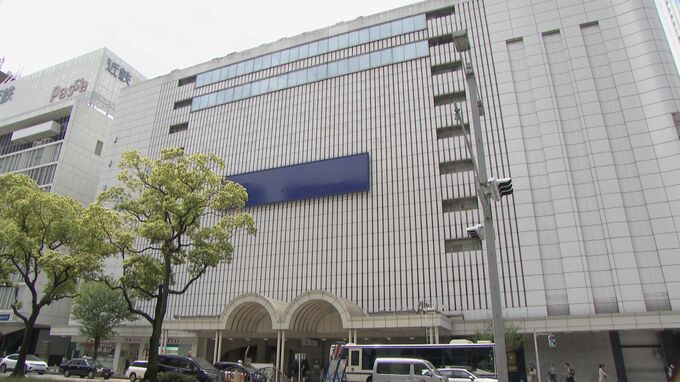
The future of redevelopment in front of Nagoya Station…
“Improving the convenience of public transportation and creating attractive cities and regions. My commitment to this approach will never waver.”
At the end of 2025, a sudden announcement was made to revise the redevelopment plan for the area around Meitetsu Nagoya Station. Originally, after the closure of the Meitetsu Department Store, which is the core of the area, the building was to be demolished, and construction of a new building was scheduled to begin in the 2027 fiscal year.
However, due to soaring material costs and labor shortages, the plan has effectively been scrapped.
Meanwhile, the Meitetsu Department Store closed in February of this year as originally planned. Attention turned to how the remaining building would be handled, but it has been revealed that the main department store building will be kept at least until March 2030.
Nagoya Station
Nagoya Station is a major railway hub in central Japan, serving as a key gateway for the Chubu region. Originally opened in 1886, it has undergone several reconstructions, with the current modern complex featuring twin high-rise towers completed in 1999. The station is renowned for its shopping, dining, and its iconic JR Central Towers, which have become a landmark of Nagoya.
Meitetsu Nagoya Station
Meitetsu Nagoya Station is a major railway hub in Nagoya, Japan, serving as the central terminal for the Meitetsu (Nagoya Railroad) network. Opened in 1912, it originally connected the city with surrounding areas, and was rebuilt in the 1990s as part of the larger Nagoya Station complex. Today, it integrates with the Shinkansen and subway lines, making it a vital transportation and commercial center.
Meitetsu Department Store
Meitetsu Department Store is a major retail landmark located in Nagoya, Japan, operated by the Meitetsu Group. Its history dates back to 1954 when it opened as a department store within the Meitetsu Bus Center, later expanding into a large complex directly connected to Nagoya Station. The store is known for its wide selection of fashion, food, and local specialties, making it a key shopping destination in central Japan.
Nagoya Station
Nagoya Station is a major transportation hub in central Japan, originally opened in 1886 and rebuilt several times, with its current modern complex completed in 1999. It serves as a key junction for the Shinkansen bullet train, local railways, and subways, and is surrounded by a vibrant commercial district featuring department stores and restaurants. The station’s striking twin towers, including the 245-meter-tall JR Central Towers, have become an iconic landmark of Nagoya.
Meitetsu Nagoya Station
Meitetsu Nagoya Station is a major railway terminal in Nagoya, Japan, serving as the central hub for the Meitetsu (Nagoya Railroad) network. The station was originally opened in 1910 and has undergone several renovations, most notably a complete reconstruction completed in 2005, which integrated it seamlessly with the adjacent JR Nagoya Station and shopping complexes. Today, it is a vital transportation link, connecting the city to destinations across central Japan, including Gifu, Toyohashi, and the Chubu Centrair International Airport.
Meitetsu Department Store
Meitetsu Department Store is a major retail establishment located in Nagoya, Japan, operated by the Meitetsu Group. Originally opened in the early 20th century, it has a long history tied to the Meitetsu railway company, serving as a key shopping destination in the city. The store is especially renowned for its basement food hall and its role as a central part of the Nagoya Station complex.
JR Central Towers
JR Central Towers is a prominent skyscraper complex located in Nagoya, Japan, serving as the central hub for the city’s railway station. Completed in 1999, it was built as part of a major redevelopment project and houses a luxury hotel, shopping mall, and offices. The towers are directly connected to Nagoya Station, making them a key landmark in the city’s transportation and commercial landscape.