



Chukyo University
Chukyo University is a private university in Nagoya, Japan, founded in 1956. It traces its roots to the Chukyo Women’s School of Commerce established in 1923, and it is particularly well-known for its strong sports programs and its Institute of Sports Science. The university has since expanded into a comprehensive institution with faculties in liberal arts, economics, and engineering.
Akasaka Imperial Gardens
The Akasaka Imperial Gardens are a historic garden in Tokyo, originally part of the estate of the Tokugawa clan during the Edo period. In the late 19th century, the site became the residence of the Crown Prince, and today it is an integral part of the Akasaka Palace complex, a state guest house used for official diplomatic functions. The gardens blend Japanese and Western landscaping styles, offering a serene retreat within the bustling capital.
Milan Cortina Olympics
The Milan Cortina Olympics refers to the 2026 Winter Olympics, which will be jointly hosted by the cities of Milan and Cortina d’Ampezzo in Italy. This marks the second time Cortina has hosted the Winter Games, having previously done so in 1956, while Milan will host its first Olympic event. The games aim to blend historic venues, such as Cortina’s iconic skiing slopes, with modern urban infrastructure, showcasing Italy’s rich sporting heritage and cultural diversity.
Ure Dam
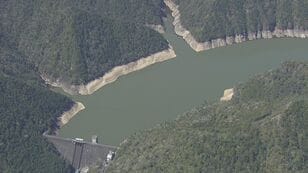
The Ure Dam is a historic earthen dam located in Ure, a village in the Indian state of Maharashtra. Constructed during the British colonial era in the late 19th century, it was built to provide irrigation and water supply to the surrounding region. The dam stands as a testament to early water management engineering in the area.
Toyogawa irrigation system
The Toyogawa irrigation system is a historic water management network in Aichi Prefecture, Japan, constructed primarily during the Edo period to transform arid land into fertile farmland. It channels water from the Toyogawa River through a series of canals and tunnels, with the most notable feature being the “Yahagi River Crossing,” an aqueduct that carries water across a river valley. This system played a crucial role in the region’s agricultural development and remains an important cultural heritage site today.
Oshima Dam
Oshima Dam is a concrete gravity dam located in Yamaguchi Prefecture, Japan, built primarily for flood control and water supply. Construction began in 1977 and was completed in 1992, serving to regulate the Oshima River and protect the surrounding area from seasonal flooding. The dam also contributes to local water resources, supporting agriculture and daily needs in the region.
Nagoya
Nagoya is a major industrial and cultural hub in Japan, historically significant as the home of the powerful Owari Tokugawa clan during the Edo period. The city is best known for Nagoya Castle, a stunning reconstruction of the original 17th-century fortress, and the Atsuta Shrine, one of Shinto’s most important sanctuaries. Today, Nagoya blends its rich samurai-era heritage with modern attractions like the Toyota Commemorative Museum of Industry and Technology.
Aichi Prefecture
Aichi Prefecture, located in central Japan, is a historically and industrially significant region. It was the heartland of the powerful Owari Domain during the Edo period and is home to Nagoya Castle, a key site of the samurai era. Today, it is a major industrial hub, famously known as the birthplace of Toyota Motor Corporation.