The number of naming rights contracts in Nagoya City has reached a record high.
The food manufacturer “meito”, headquartered in Nagoya, has acquired the naming rights for the “Nagoya City Todagawa Children’s Land”, a well-known children’s play area located in Minato Ward. The new nickname is “meito Children’s Land Todagawa”.
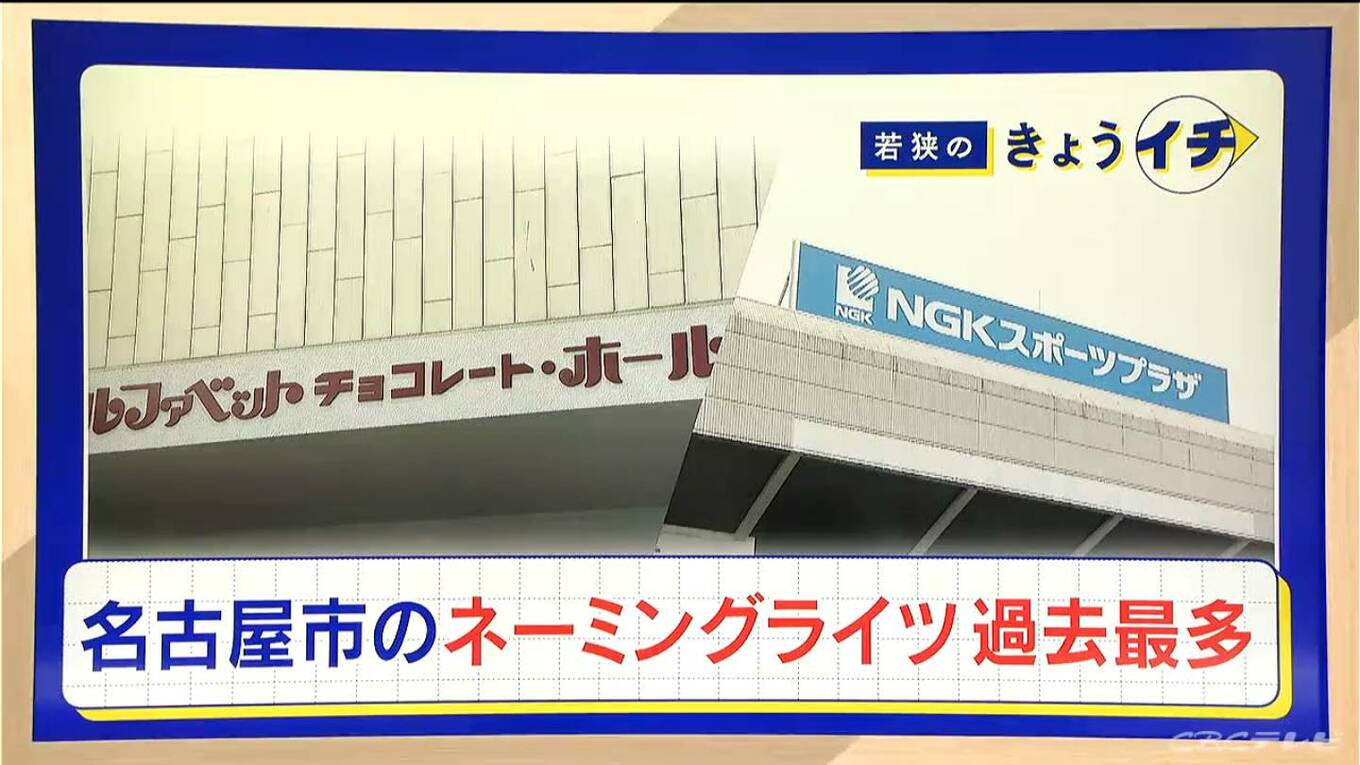
Three facilities within the grounds have been given nicknames based on product names, such as “Alphabet Chocolate Hall”. The nicknames take effect from April 1st, marking the first time naming rights have been adopted for a large-scale children’s center in the city.
“We acquired the naming rights with the desire to contribute to the smiles and prosperity of the local community.”
This fiscal year, the number of facilities under naming rights contracts in Nagoya City is a record 14, with the total contract amount exceeding 385 million yen.
Nagoya City Todagawa Children’s Land
Nagoya City Todagawa Children’s Land is a public park and recreational facility located along the Todagawa river in Nagoya, Japan, designed primarily for families and young children. It opened in 1970, created as part of a municipal initiative to provide green, playful spaces within the urban environment following a period of rapid post-war growth and industrialization in the city. The park features playgrounds, water play areas, and sports fields, serving as a longstanding community hub for leisure and outdoor activities.
meito Children’s Land Todagawa
“Meito Children’s Land Todagawa” is a public park and recreational facility located in the Meito Ward of Nagoya, Japan. Designed primarily for families and young children, it features playgrounds, open green spaces, and water play areas along the Todagawa river. The park was developed as part of urban green space planning to provide community leisure and a natural retreat within the city.
Alphabet Chocolate Hall
“Alphabet Chocolate Hall” is not a widely recognized historical or cultural site. It appears to be a confectionery shop or attraction, possibly in Japan or South Korea, themed around creating chocolate letters. As such, it does not have a significant historical background, but represents a modern, playful intersection of food and language.