As architectural and interior design trends become increasingly dynamic, the demand for supporting space elements is also evolving. Spaces are no longer static; they continuously transform according to the functions, activities, and experiences they aim to provide.
This shift is driving an evolution in lighting systems. Lighting is now required to adapt to various usage scenarios, from commercial spaces that frequently change concepts to residential and public areas that need flexibility without complex reinstallation.
A flexible and adaptive lighting approach is becoming more relevant for architects and designers seeking long-term solutions. Adjustable, movable, or reconfigurable lighting systems offer added value in terms of both efficiency and sustainability.
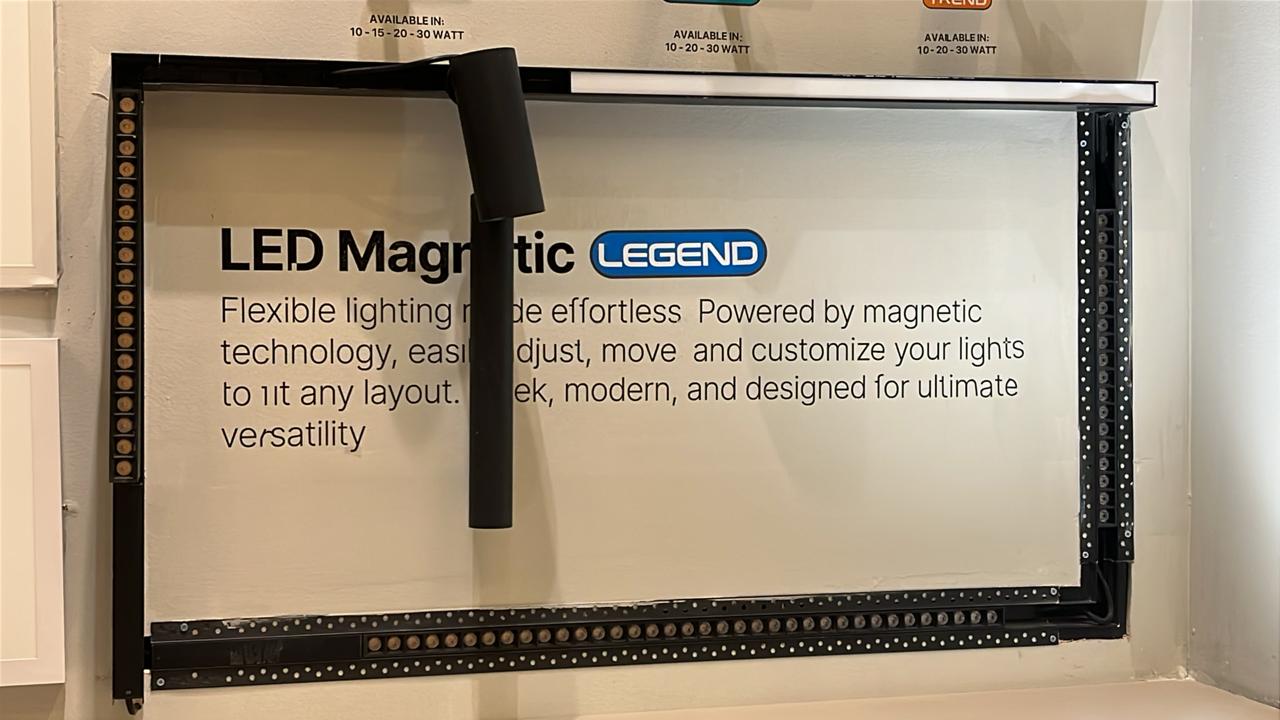
To address this need, a range of lighting solutions designed to follow spatial changes practically is introduced. One example is the LED Magnetic Series system, which allows light points to be moved, added, or rearranged along a single track without complicated reinstallation. This flexibility makes it easy to adjust lighting as layouts or functions change.
Additionally, the LED Flood Light Modular is introduced, a floodlight with a modular design that allows users to adjust lighting capacity as needed. Light fixtures can be added or removed within one system, enabling precise control of light output without replacing the entire unit.
“We see many spaces with evolving requirements. Therefore, it is important for lighting to adapt, rather than requiring the entire unit to be replaced. With a flexible system, products can be reused for various future needs,” it was explained.
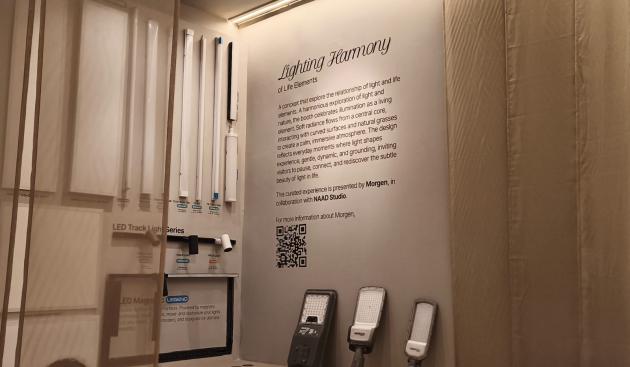
This approach is showcased at ARCH:ID 2026, held from April 23–26, 2026, at ICE BSD, South Tangerang. At the event, a booth with the theme “Lighting Harmony of Life Elements” is presented.
As part of the curated booth category, this concept was developed in collaboration with an architect from NAAD Studio.
The booth is designed with four main zones: Entrance, Garden, Light Archive, and Resting Light, each offering a different atmosphere. Every area demonstrates how lighting can adapt to the character of the space, from transition zones to quieter, more reflective environments.
The concept is based on how lighting not only functions as an illumination element but also as a part of shaping the overall spatial experience.
“We see light as an element of life that can influence mood, emotions, and how a person experiences a space. Therefore, this booth design does not just display lighting visually but also presents an experience that visitors can directly feel,” it was stated.
Through this participation, it is shown how flexible and adaptive lighting not only meets technical needs but also supports creating spatial experiences more relevant to how people interact and move within them.