The Philosophical Meaning of Hajat Bumi Kramat Ganceng Tradition as a Symbol of Betawi and Sundanese Cultural Harmony
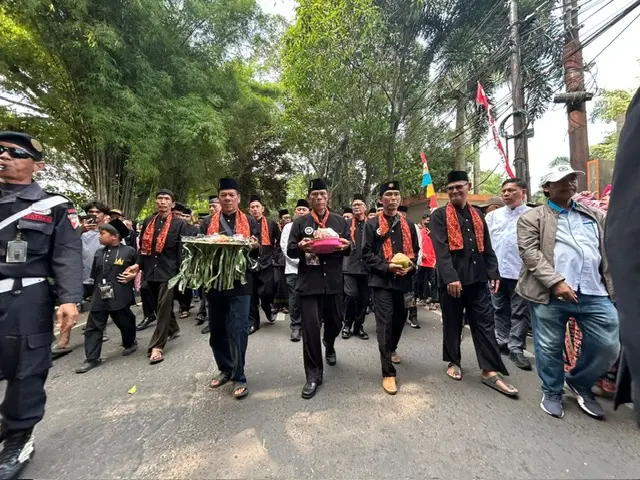
DEPOK (05/06/2026) – The hereditary tradition of Hajat Bumi Kramat Ganceng 2026 was held solemnly again in the area of the Eran Intersection RW 06, Harjamukti Village, Cimanggis District. This annual event, held in the border area between Harjamukti and Pondok Ranggon Villages, was attended directly by the Deputy Mayor of Depok, Chandra Rahmansyah, as a form of full support for preserving the ancestral heritage carefully maintained by the local community. In his view, Chandra interpreted this cultural festival not merely as a ceremonial routine, but as a real portrayal of the acculturation process of two major cultures, namely Betawi and Sunda, which are able to coexist harmoniously and complement each other in the Harjamukti area. Authorities admitted they initially thought this ritual was purely part of Betawi customs, but the use of the Sundanese language in the procession proved how strong and deep the assimilation of these two cultures is rooted in the lives of residents on the border.
High appreciation was also given to the committee and community elements who consistently maintain the existence of this cultural rite from generation to generation. The success of organizing Hajat Bumi Kramat Ganceng is seen as a valid indicator of the community’s high commitment to protecting local wisdom from the erosion of time. In addition to serving strategically as a medium for strengthening emotional bonds and togetherness among residents, this tradition is considered rich in deep philosophical values that are crucial to pass on to the younger generation. During the event, the Deputy Mayor also had the opportunity to witness firsthand one of the core rituals still preserved to this day, namely the process of planting a goat’s head.
The activity of planting a goat’s head reflects a very strong moral message, namely as a symbol of human efforts to bury deeply all forms of animalistic traits and behaviors that have the potential to damage thoughts and actions. The local government hopes that the values of goodness and local wisdom contained in this celebration can continue to be maintained through strengthening active collaboration involving various stakeholders. Furthermore, cultural synergy in this border area is expected to strengthen ties between regions, especially between Depok City and DKI Jakarta Province, so that they can continue to go hand in hand as buffer areas that contribute and provide positive benefits to the wider community.
Hajat Bumi Kramat Ganceng
Hajat Bumi Kramat Ganceng is a traditional Javanese ritual and cultural site located in the village of Ganceng, near Cirebon, Indonesia. The event is an annual thanksgiving ceremony rooted in local agrarian traditions, where villagers offer prayers and symbolic gifts to honor ancestral spirits and seek blessings for a bountiful harvest. Historically, the site is considered a sacred area (kramat) tied to the spread of Islam in the region, blending Javanese animistic beliefs with Islamic influences.
Eran Intersection RW 06
I’m sorry, but “Eran Intersection RW 06” does not correspond to a well-known cultural site or historical location in available records. It appears to be a specific local intersection or neighborhood administrative unit (RW 06) in Indonesia, possibly in a town called Eran. Without more context or verified information, I cannot provide a meaningful historical summary.
Harjamukti Village
Harjamukti Village is a culturally rich area located in West Java, Indonesia, known for its traditional Sundanese heritage and natural surroundings. Historically, the village has been a center for local customs and agriculture, with its name reflecting a spirit of prosperity and harmony in the Sundanese language. Today, it remains a site where traditional ceremonies and community life continue, offering visitors a glimpse into rural Indonesian culture.
Cimanggis District
Cimanggis District is an administrative area located in Depok City, West Java, Indonesia. Historically, it was part of the Bogor Regency before being incorporated into Depok, and it has grown from a quiet suburban area into a bustling residential and industrial hub. The district is known for its rapid development, with numerous housing complexes, educational institutions, and commercial centers shaping its modern identity.
Pondok Ranggon Village
Pondok Ranggon Village is a historic area located in East Jakarta, Indonesia, known for its cultural heritage and traditional Betawi architecture. The village dates back to the colonial era and is named after a local figure, Ranggon, who was a respected community leader. Today, it serves as a living museum, preserving Betawi customs, traditional houses, and local crafts.
Depok City
Depok City, located just south of Jakarta, Indonesia, has a unique history as a planned colonial settlement established by a Dutch landowner in the 18th century. It was originally a private estate known for its Christian community, distinct from the surrounding Muslim-majority areas. Today, Depok has grown into a bustling satellite city and serves as a major educational hub, home to the University of Indonesia.
DKI Jakarta Province
DKI Jakarta is the capital and largest metropolitan city of Indonesia, located on the northwest coast of Java. Its history dates back to the 4th century as the port of Sunda Kelapa, later becoming the Dutch colonial center of Batavia, and was renamed Jakarta after Indonesia’s independence in 1945. Today, it serves as the nation’s political, economic, and cultural hub, known for its diverse population and rapid urbanization.