Bekasi –
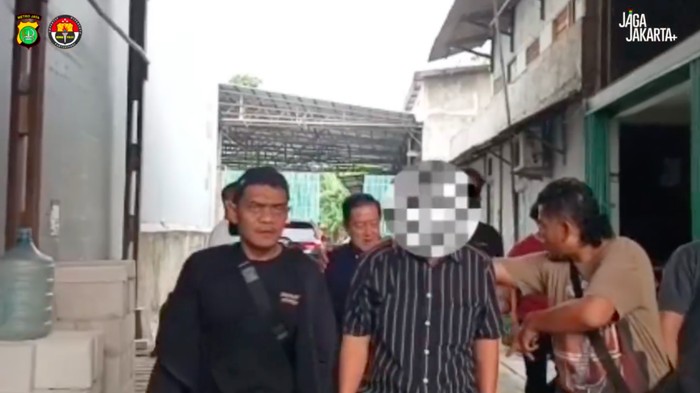
The figure of HW, the hitman who killed a South Korean citizen, turned out to be no ordinary person. He was formerly a wealthy businessman.
Previously, HW was arrested by police after being identified as the executor of the South Korean citizen with initials BS in Tambun, Bekasi Regency, West Java.
“He used to have a business, he was well-off. It’s just that the economic situation is not so good. Yes (a businessman), a contractor, and there was a building materials store owned by his parents,” said the Head of Criminal Investigation Unit of the Bekasi Police, AKBP Jerico Lavian Chandra, when contacted on Wednesday (3/6/2026).
Contract Killing Money Used to Pay Debts
HW was willing to kill the victim to get payment from SJ, who was the victim’s ex-wife. HW was paid 139 million rupiah to kill the victim.
“(The payment was used for) daily needs and paying debts,” he said.
The suspect HW was known to have monitored the victim’s activities several times before executing him at his home. HW came to the victim’s house wearing clothes and equipment prepared to disguise his identity.
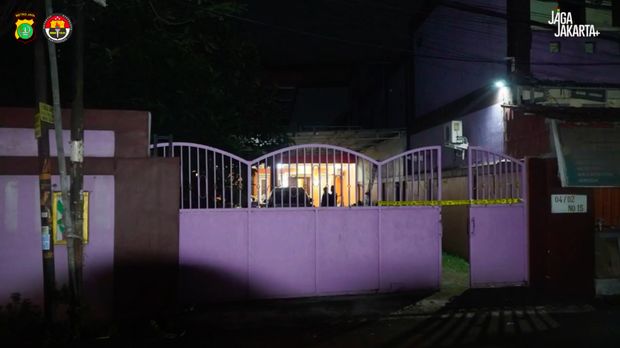
When entering the house, the victim, who was in the dining room, saw the perpetrator and confronted him. However, in a short time, HW immediately attacked by stabbing the victim repeatedly in the left stomach area with a knife.
After that, the perpetrator struck the back of the victim’s head with a blunt object until the victim died at the scene. The victim was found dead in a pool of blood by his daughter on Wednesday (27/5).
Both are now in custody of the investigators from the Bekasi Metro Police Criminal Investigation Unit. They have been named suspects and are detained.
Murder Motive
The police revealed that this brutal murder was orchestrated by SJ, who was the victim’s ex-wife. SJ admitted to being willing to kill BS out of resentment.
“From further examination, investigators found that the motive of suspect SJ was allegedly driven by long-standing resentment and conflict with the victim,” explained Sumarni.
Not only that, Sumarni revealed another motive for SJ killing BS was to take control of the victim’s assets. She then hired a hitman.
“In addition, the suspect is also suspected of having a desire to take control of the victim’s assets. Meanwhile, suspect HW admitted to accepting the offer due to economic reasons and financial needs,” she added.