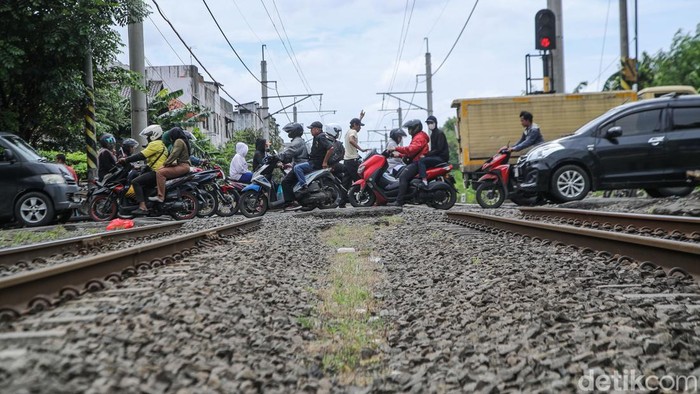
Bekasi – The Bekasi City Government has begun demolishing buildings in Bulak Kapal to accelerate the flyover project aimed at alleviating chronic traffic congestion in East Bekasi.
Bekasi
Bekasi is a city in West Java, Indonesia, located on the eastern border of the capital, Jakarta. Historically, it was part of the ancient Tarumanagara kingdom in the 5th century, with archaeological evidence like the **Bekasi Inscription** found in the area. Today, it is primarily known as a major industrial and residential satellite city, forming a key part of the Greater Jakarta metropolitan area.
Bekasi City Government
The Bekasi City Government is the administrative body governing Bekasi, a major industrial and residential hub in West Java, Indonesia. Historically, the area was part of the ancient Tarumanagara kingdom, but its modern governance was formally established when Bekasi gained its status as an autonomous city separate from the Bekasi Regency in 1996.
Bulak Kapal
“Bulak Kapal” is a historical neighborhood in Baku, Azerbaijan, known for its traditional architecture and as the birthplace of the famous composer Uzeyir Hajibeyov. Historically, it was a central residential area in the 19th and early 20th centuries, characterized by its distinctive courtyard houses and narrow streets. Today, it is recognized as a cultural heritage site, preserving the atmosphere of old Baku.
East Bekasi
East Bekasi is a district within the city of Bekasi, located on the eastern outskirts of Jakarta, Indonesia. Historically, the broader Bekasi area was part of the ancient Tarumanagara kingdom and later developed from agricultural land into a major industrial and residential hub as Jakarta expanded. Today, East Bekasi is characterized by dense residential neighborhoods, shopping centers, and factories, reflecting its role in the metropolitan region’s growth.
East Bekasi District
East Bekasi District is a rapidly developing urban administrative region within Bekasi City, West Java, Indonesia. Historically, the area was part of Bekasi Regency’s agricultural and rural landscape before being incorporated into the city and experiencing significant industrialization and residential expansion from the late 20th century onward. Today, it is characterized by a dense mix of housing complexes, factories, and commercial centers, reflecting its transformation into a major suburban hub for Jakarta.