-
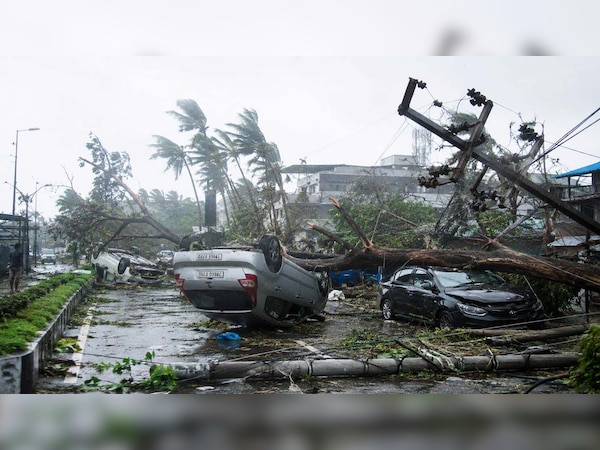
AI-generated photo
How to be Safe During a Storm: A severe storm caused by a western disturbance on Thursday evening uprooted trees in many places. Tin roofs flew off several homes, and many old poles fell down. Short circuits from power lines colliding led to power outages. In many areas, wind speeds reached 80-100 kilometers per hour, causing even large vehicles on the road to wobble. From a safety perspective, the question arises: what should we do when winds suddenly start blowing at 100 kilometers per hour? Let us explain this in detail.
What Can 100 km/h Winds Do?
According to weather experts, when wind speeds reach 100 kilometers per hour, they become a major danger. At that time, the wind’s force becomes so fierce that it can uproot even a tree. This can cause power poles to fall and two-wheelers, as well as cars and light vehicles on the road, to wobble and lose control.
According to the National Disaster Management Authority (NDMA), winds up to 100 kilometers per hour cannot break solid concrete houses. However, they can certainly destroy light structures of a house, its weak roofs, power lines, and objects kept outside. They can blow away tin, buckets, utensils, and other items, dropping them elsewhere. Such flying debris is very dangerous and can be fatal to anyone.
SUVs or Light Trucks Can Easily Tip Over
According to weather scientists, winds blowing at 100 kilometers per hour are so dangerous that, not just two-wheelers, even SUVs or light trucks on the road can easily tip over. Since such storms are common in India, it becomes very important for people to know safety tips for such conditions. Let us tell you how to keep yourself safe when such a storm occurs.
According to experts, advance preparation is considered most important to protect against storms. As soon as a storm warning is received, move furniture, pots, tents, and other light objects kept outside the house indoors, or tie them securely. Install plywood or shutters on the windows of your home or shop, and firmly close garage doors.
How to Protect Yourself When a Storm Arrives?
Whenever a storm comes, take shelter inside a strong room in the house, such as a bathroom, closet, or hallway without windows. Stay away from windows and outer walls. If the power goes out, set the refrigerator to its coldest mode and unplug unnecessary appliances. If you are outside, immediately reach a solid building. Do not stand near trees, power lines, or elevated places.
Since storms can also uproot power poles, causing shortages of water and food, every family should prepare a three-day supply of dry food, water, a torch, batteries, a first aid kit, important documents, and a power bank after receiving a warning. People living in huts or weak houses should immediately move to a safe location. Keep a constant watch on the NDMA app, weather department warnings, and local administration notices to get the latest updates on the situation.
Park Your Moving Vehicle and Sit Safely
If you are driving during a storm, immediately park your vehicle in a safe spot on the side and stay inside it, or go into a nearby building. Make sure your vehicle is not near a pole or tree, as it could fall on it.
After the storm, maintain a safe distance from fallen power lines or debris and never touch them. If your vehicle or home has been damaged, assess the damage and take photos for insurance claims. Cooperate with the local administration in cleanup and relief efforts, but do so with caution.
National Disaster Management Authority (NDMA)
The National Disaster Management Authority (NDMA) is a government agency established to coordinate and manage disaster response and preparedness in a country, typically formed after major catastrophes to improve resilience. In India, for example, it was established in 2005 following the devastating 2004 Indian Ocean tsunami, under the Disaster Management Act. Its role includes policy formulation, capacity building, and coordinating relief efforts to minimize the impact of natural and man-made disasters.NDMA app
The NDMA app, developed by India’s National Disaster Management Authority, is a mobile application designed to provide real-time disaster alerts, safety tips, and emergency contact information to users. It was launched to enhance public preparedness and response to natural and man-made disasters across the country. The app reflects India’s ongoing efforts to leverage technology for disaster risk reduction and community resilience.