Maharashtra Chief Minister takes strict stance on law and order, orders expedited investigations into conversion and drug cases.
Devendra Fadnavis
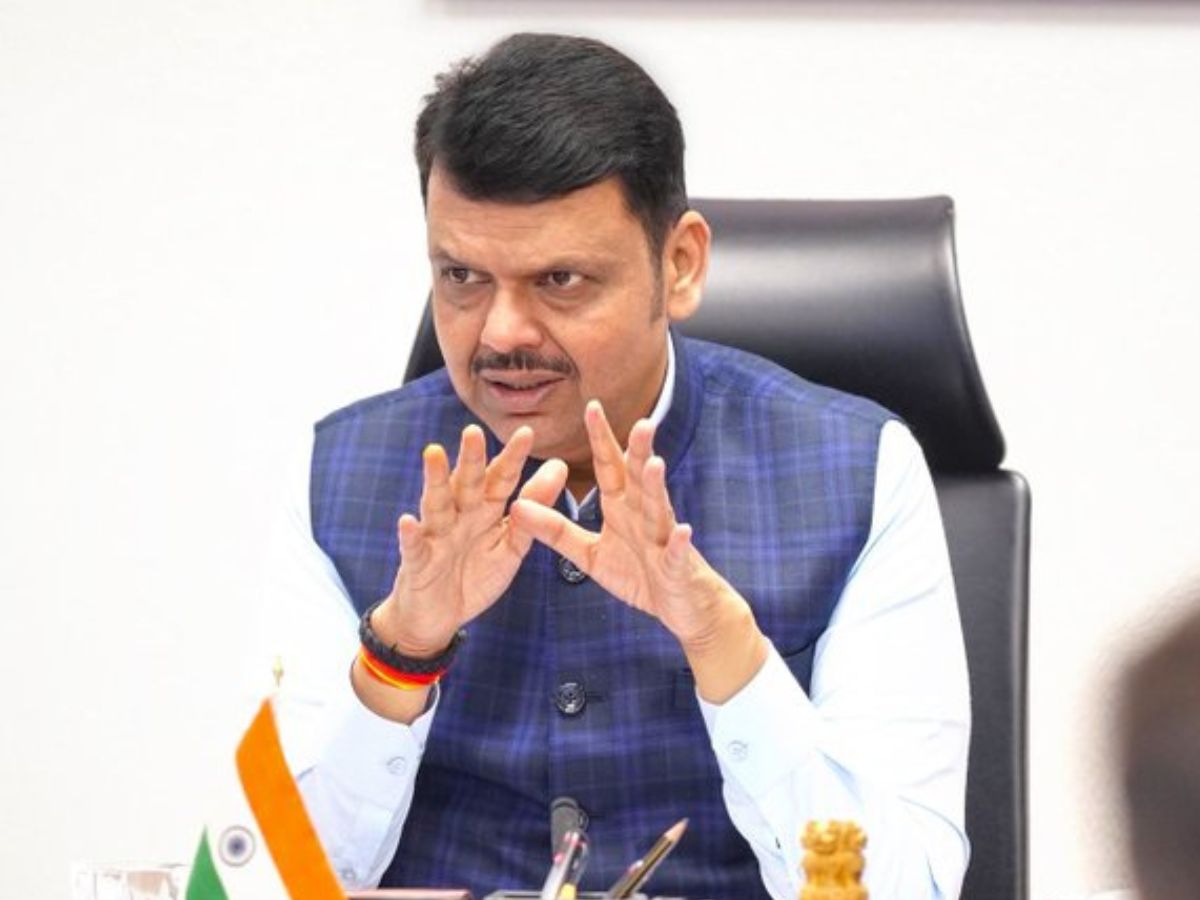
Devendra Fadnavis Meeting: Maharashtra Chief Minister Devendra Fadnavis held a crucial review meeting with the Home Department regarding the increasing number of sensitive cases in the state. The meeting was attended by the Director General of Police, the Additional Chief Secretary of the Home Department, the SIT chief, and other senior officials. The objective of the meeting was to assess the progress of investigations into various cases and to set a clear direction for further action.
Discussion on Several Key Cases
During the meeting, sensitive issues such as the Nashik conversion case, the Kharat episode, the Partwada case, and the Goregaon drugs case were discussed in detail. The Chief Minister gave clear instructions that no kind of negligence would be tolerated in these matters and that the investigations should proceed with full seriousness and transparency.
Signs of Strictness in the Kharat Case
Regarding the Kharat episode, the Chief Minister told officials that it is extremely important to build trust among the victims. He emphasized that strong and solid evidence should be gathered to ensure the harshest punishment for the culprits, so that the case holds up in court and justice is ensured.
Zero Tolerance on Conversion Cases
Regarding the conversion case that emerged from Nashik, the Chief Minister adopted a tough stance, stating that such activities will not be tolerated at any cost. He appreciated the Nashik police for uncovering the case but also directed that the investigation be taken forward more deeply.
Focus on Victims in the Partwada Case
In the Partwada case, the Chief Minister said that victims should be given confidence through counseling and encouraged to come forward and file complaints. He also suggested taking the help of social workers so that the victims receive proper support.
Strict Action Against Drugs
On the Goregaon drugs case, the Chief Minister expressed particular concern and said that this issue is linked to the future of the youth. He directed the police to run a large-scale campaign against drugs and take strict steps to uproot this network from its foundation.
Initiative to Strengthen Law and Order
This review meeting clearly indicates that the state government is extremely serious about law and order. If the investigating agencies work based on impartiality, speed, and solid evidence, it will not only help in punishing the guilty but also strengthen society’s trust in the law.
Nashik
Nashik is a historic city in the Indian state of Maharashtra, situated on the banks of the Godavari River. It is one of the holiest Hindu cities and a major site for the Kumbh Mela, with a history dating back to ancient times as a center of trade, learning, and mythology (notably linked to the Ramayana). Today, it is also known as the “Wine Capital of India” due to its thriving vineyards.
Kharat
“Kharat” is not a widely recognized major historical or cultural site. It is most commonly a surname or a place name for several small towns and villages, notably in Iran and Armenia. Without a specific context, it is not possible to provide a definitive summary of its history or significance as a cultural landmark.
<h3 class="text-lg font-semibold mb-2
Nashik
Nashik is a historic city in the Indian state of Maharashtra, situated on the banks of the Godavari River. It is one of the holiest Hindu cities, renowned as the site of the Kumbh Mela and for its ancient temples, with a history dating back to the epic Ramayana where it is believed Lord Rama spent part of his exile. Today, it is also a major center for vineyards and wine production in India.
Godavari River
The Godavari River is India’s second-longest river, often called the “Dakshin Ganga” or “Ganges of the South.” It holds immense religious significance in Hinduism, with its origins at Trimbakeshwar in Maharashtra and a history of being a cradle for ancient kingdoms and pilgrimage sites along its course. Major events like the Kumbh Mela are held at its banks in Nashik, and it supports a vast agricultural region as it flows eastward to the Bay of Bengal.
Kumbh Mela
The Kumbh Mela is a major Hindu pilgrimage and festival held four times every twelve years at four different riverbank sites in India, rotating between Prayagraj, Haridwar, Nashik, and Ujjain. Its history is rooted in ancient Hindu scriptures, which describe a celestial battle over a pot (*kumbh*) of nectar of immortality, with drops falling at these locations. It is considered the world’s largest peaceful gathering of people, who come to bathe in the sacred rivers to cleanse themselves of sins and attain liberation.
Ramayana
The Ramayana is not a physical place but an ancient Sanskrit epic of India, traditionally attributed to the sage Valmiki. Composed around the 5th century BCE, it narrates the life of Prince Rama, his exile, the abduction of his wife Sita by the demon king Ravana, and her eventual rescue. It is a foundational text of Hinduism and has profoundly influenced the art, culture, and moral values across South and Southeast Asia for millennia.
Maharashtra
Maharashtra is a state in western India, historically significant as the heart of the Maratha Empire that rose to power in the 17th century under Chhatrapati Shivaji Maharaj. It is home to major cultural and historical sites, including the ancient rock-cut caves of Ajanta and Ellora (UNESCO World Heritage Sites) and the bustling financial capital of Mumbai. The state’s rich heritage is reflected in its vibrant festivals, classical music, and distinctive cuisine.

)