
Humayun makes controversial communal comment during election campaign
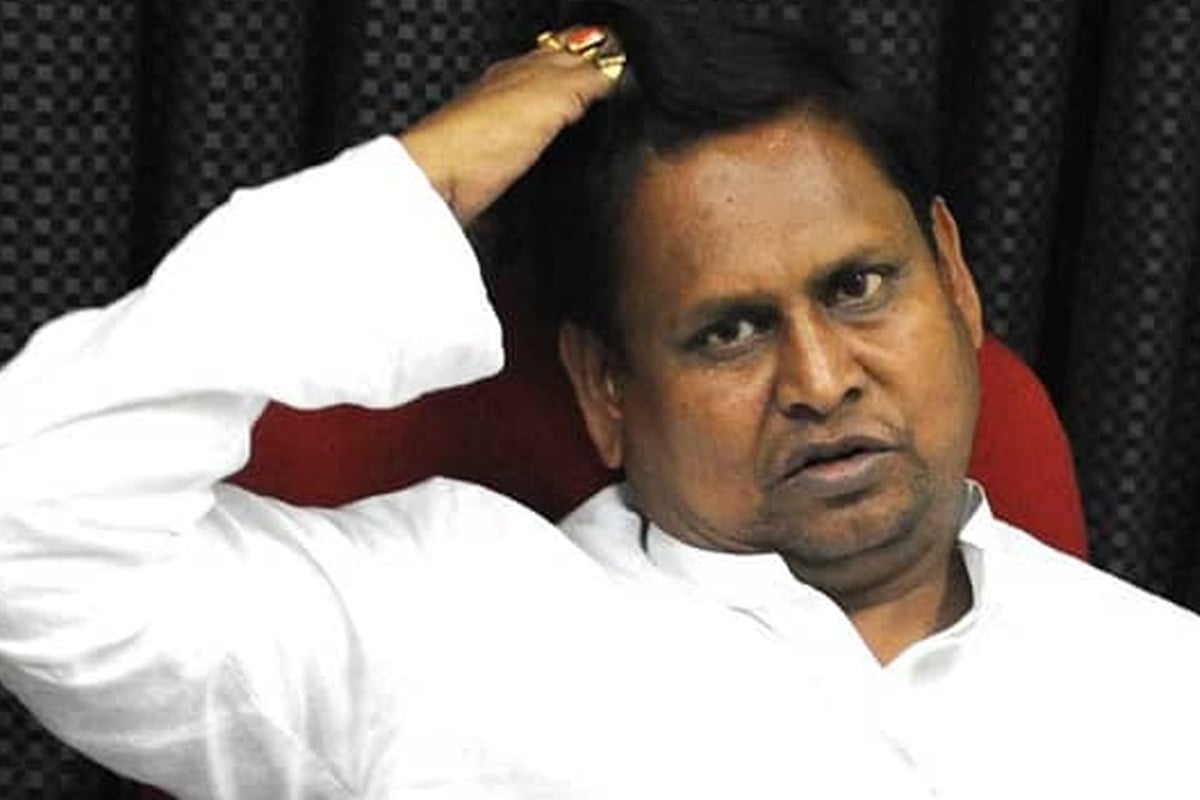
Chairman of the Aam Janata Development Party, Humayun Kabir. File photo

The controversy seems to not leave the founder of the Aam Janata Development Party, Humayun Kabir. On Monday, he made another communal comment during election campaigning. He said, “If anyone comes after me, I will definitely make it Hindu-Muslim.” This has sparked intense debate.

More on this topic

What exactly is the matter? Before the Bengal Election 2026, the outgoing MLA from Bharatpur, Humayun Kabir, has said many things but has not been able to show any tangible results. Although he announced his party and is contesting the election, he has not received support from anyone. The Left parties turned their backs from the start. Asaduddin Owaisi’s MIM initially extended their hand, but after a video of his association with the BJP surfaced, they too left him. Consequently, Humayun has no option but to go it alone. He is focusing his campaign on the 2026 election. On Monday evening, the chairman of the Aam Janata Development Party held a public meeting in Hijole, Kandi Assembly constituency in Murshidabad.

Humayun said, “I only create Hindu-Muslim divisions when a non-Muslim comes after me. I will not speak leaving aside those who are 30 percent. The 30 percent must remain as 30 percent. We, the 70 percent, will remain as 70 percent. Let what happened in Shamsherganj not happen in Kandi.”

At that public meeting, there were no flags or banners of MIM. The candidate was also not present. Notably, MIM had fielded a candidate in that seat. Humayun Kabir said from that meeting, “MIM’s candidate in Kandi, Misbaul Haque, is close to me. I have come to campaign for his support; he could not come due to health issues.” There, Humayun said, “I only create Hindu-Muslim divisions when a non-Muslim comes after me. I will not speak leaving aside those who are 30 percent. The 30 percent must remain as 30 percent. We, the 70 percent, will remain as 70 percent. Let what happened in Shamsherganj not happen in Kandi.” This comment has sparked intense controversy. Leaders from all parties have strongly condemned the remark.


More on this topic

Bharatpur

Bharatpur is a historic city in the Indian state of Rajasthan, known for its formidable 18th-century Lohagarh Fort, which was built by Maharaja Suraj Mal and famously resisted multiple British attacks. It was the capital of the princely state of Bharatpur, ruled by the Jat dynasty, and played a significant role in regional power struggles. Today, it is also renowned for the Keoladeo National Park, a UNESCO World Heritage site that is a major bird sanctuary.

Kandi

Kandi is a city in the Alibori Department of northeastern Benin, with a history as a key trading hub in the Bariba Kingdom. It served as an important center for the slave trade and later for agricultural commerce, particularly in cotton and grains. Today, Kandi remains a significant cultural and economic crossroads, known for its vibrant markets and nearby Pendjari National Park.

Murshidabad

Murshidabad is a historic city in the Indian state of West Bengal, which served as the capital of the Bengal Subah under the Nawabs of Bengal during the 18th century. It rose to prominence under Nawab Murshid Quli Khan, who moved the capital there from Dhaka in 1704, and it became a center of political power and trade. The city is known for its rich architectural heritage, including the Hazarduari Palace, and played a key role in the lead-up to British colonial rule, notably through the Battle of Plassey in 1757.

Shamsherganj

Shamsherganj is a historic locality in the city of Murshidabad, West Bengal, India, named after Nawab Shamsher Khan, a military commander under the Mughal emperor Aurangzeb. It served as a strategic military cantonment and administrative center during the 18th century, particularly under the Nawabs of Bengal. Today, it is known for its remnants of Mughal-era architecture and its role in the region’s rich cultural and political history.