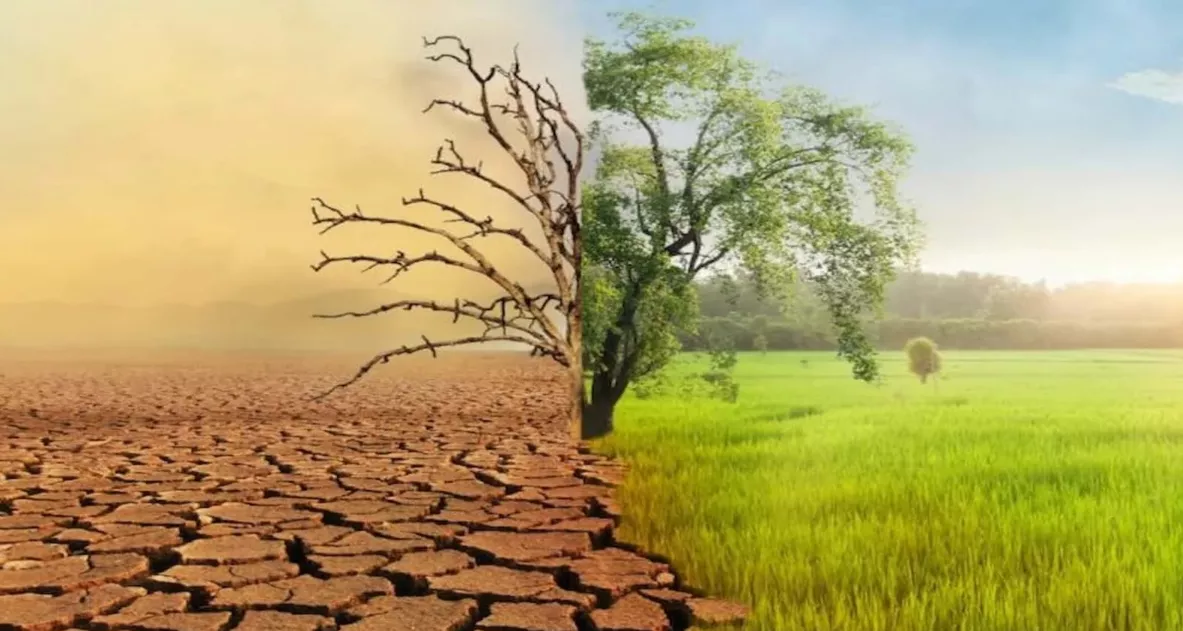
Forecasts for the 2026 southwest monsoon in the country have raised concerns, especially for the hill states. According to the long-term assessment by the weather department, large parts of Uttarakhand and Himachal Pradesh are expected to receive below-normal rainfall this year. Some areas of Jammu and Kashmir are also expected to see below-normal rainfall, while Ladakh is expected to receive above-normal rainfall. This situation could have serious impacts on climate, agriculture, water resources, and the rural economy.
According to the weather department, total monsoon rainfall in the country this year is expected to be about 92 percent of the long-term average, indicating a below-normal category. Specifically, the probability of below-normal rainfall in Uttarakhand is estimated between 35 and 65 percent.
Reduction in snow cover
A major reason for the expected weak monsoon this year is the below-normal snow cover in the Northern Hemisphere during winter and spring. According to scientists, a reduction in snow cover area weakens the temperature difference between the land and the atmosphere. This difference plays a crucial role in regulating the speed and intensity of the monsoon. When this thermal difference decreases, the strength of monsoon winds may weaken, affecting the amount of rainfall.
Weakening of La Niña
Global climate indicators may also affect the monsoon this year. Currently, the weak La Niña condition is moving toward a climate-neutral state, while the possibility of El Niño during the monsoon months is being indicated. El Niño conditions are generally associated with rainfall deficits in India, as it raises Pacific Ocean temperatures and affects the direction and speed of monsoon winds.
Scientists believe that the Indian Ocean Dipole (IOD) condition may turn positive in later months, which could partially compensate for the rainfall deficit. This situation is considered particularly sensitive for the hill states. There, monsoon rainfall is the main basis for water resources, agriculture, and hydropower generation. In states like Uttarakhand and Himachal, river flow, reservoir levels, and irrigation systems largely depend on the monsoon.
If rainfall remains below normal, it could also affect the output of hydropower projects. Uneven rainfall increases the risk of natural disasters like landslides. Sometimes, despite low total rainfall, sudden heavy rainfall events can cause more damage.
70% of farming depends on monsoon, risk increased
A weak monsoon naturally impacts the country’s economy. Experts believe that the overall Indian economy is not so weak as to fall into a complete crisis under current circumstances, but the agricultural sector could be directly affected. Agriculture contributes about one-quarter to the country’s gross domestic product, and this sector primarily depends on rainfall. About 70 percent of India’s agricultural land receives necessary moisture from the monsoon.
In many states, more than half of the farms are rain-fed. Small and marginal farmers are most affected by a weak monsoon. For example, in states like Madhya Pradesh, about half of wheat farming depends on rainfall, while in Maharashtra, the proportion of rain-fed farming is 80 percent. During El Niño years, pulse production often declines. This could directly impact the country’s food security and market prices.
Groundwater exploitation
Another reason for increasing pressure on water resources is the excessive exploitation of groundwater. When rainfall is low, farmers use more tubewells and pumpsets, causing groundwater levels to drop rapidly. Additionally, water availability in reservoirs decreases, affecting both irrigation and power generation. This year, some additional factors have emerged that complicate the situation further.
Untimely rainfall in March and April has damaged standing crops in many parts of the country, weakening farmers’ economic condition from the start. Due to ongoing tensions in West Asia, fertilizer supply is expected to be affected. If this situation persists, fuel prices like diesel may also rise, increasing farming costs. However, some positive signs have also emerged.
Farmers can overcome crisis with government help
Experts believe that the country’s banking system and industrial sector are in a relatively strong position, which can prevent the economy from becoming completely unstable. If crude oil prices remain controlled, the impact on GDP growth rate may be limited. Last year, the agricultural sector played a significant role in stabilizing the economy. With appropriate government support this year, farmers can overcome this challenge.
In the event of a weak monsoon, the government’s role becomes even more