UN Warning On US-Iran War: Tensions between the United States and Iran are weighing heavily on the world. With the closure of the Strait of Hormuz deepening the oil and gas crisis, the United Nations has issued a major warning, stating that this conflict could push 30 million people into poverty.
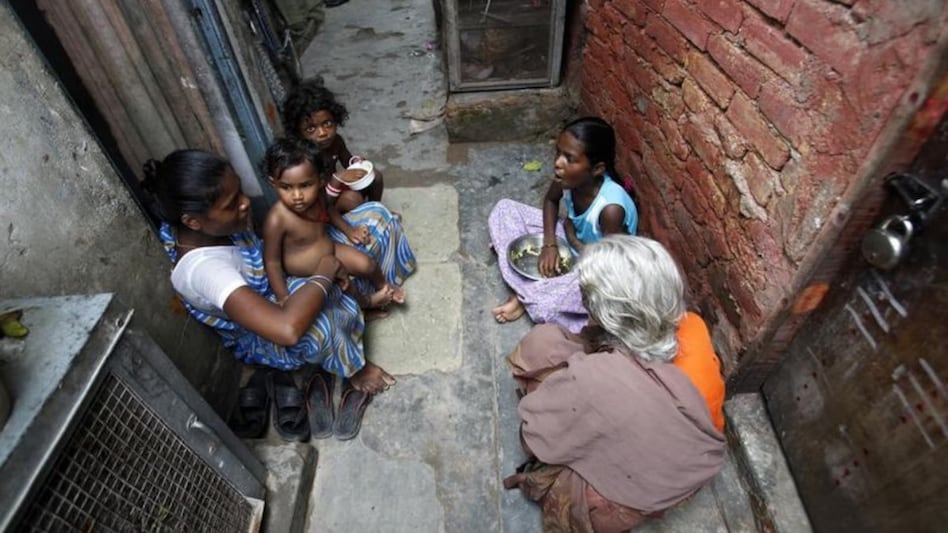
Although a ceasefire is currently in place in the conflict between the United States and Iran, which has lasted more than 50 days, global tensions remain. The impact of this war has been seen in many countries around the world in the form of an oil and gas crisis, as the Strait of Hormuz was closed. Amid all this, a major warning has been issued by the head of the United Nations Development Programme, stating that due to the conditions arising from the US-Iran war, about 30 million people could fall into poverty. The report also mentions the major reasons behind this.
Strait of Hormuz
The Strait of Hormuz is a narrow, strategically vital waterway connecting the Persian Gulf to the Gulf of Oman, serving as a crucial chokepoint for global oil shipments. Historically, it has been a contested region for centuries, controlled by various empires including the Portuguese in the 16th century and later the British, due to its immense economic and geopolitical importance. Today, it remains a focal point of international tension, particularly between Iran and other world powers.
Strait of Hormuz
The Strait of Hormuz is a narrow waterway connecting the Persian Gulf to the Gulf of Oman, strategically vital for global oil shipments. Historically, it has been a key maritime chokepoint for centuries, facilitating trade between Mesopotamia, India, and beyond, and has often been a site of geopolitical tension. Today, it remains critical for the transport of about 20% of the world’s petroleum, making its security a major concern for international energy markets.
Persian Gulf
The Persian Gulf is a vital body of water in Western Asia, bordered by Iran, Iraq, Kuwait, Saudi Arabia, Bahrain, Qatar, the United Arab Emirates, and Oman. Historically, it has been a crucial center for trade and cultural exchange since ancient times, linking civilizations such as the Sumerians, Persians, and Arabs. Today, it remains globally significant due to its vast oil and natural gas reserves, making it a key geopolitical and economic region.
Gulf of Oman
The Gulf of Oman is a body of water connecting the Arabian Sea with the Strait of Hormuz, bordered by Iran, Oman, and the United Arab Emirates. Historically, it has been a vital maritime route for trade and cultural exchange between the Middle East, South Asia, and East Africa for centuries. Today, it remains strategically important for global oil shipments and regional commerce.